Venezuela’s Flag Day is celebrated on 3rd August, a date that honours the first time the nation’s tricolour was raised on Venezuelan soil. The day is deeply tied to the revolutionary legacy of Francisco de Miranda, whose 1806 expedition introduced the yellow, blue, red banner that later became the national flag.
Origins of the Venezuelan Flag
The Venezuelan flag traces back to Generalísimo Francisco de Miranda, a key precursor of Latin American independence. In March 1806, Miranda raised his tricolour aboard the ship Leander as he departed from Jacmel, Haiti, beginning an expedition aimed at liberating Spanish America.
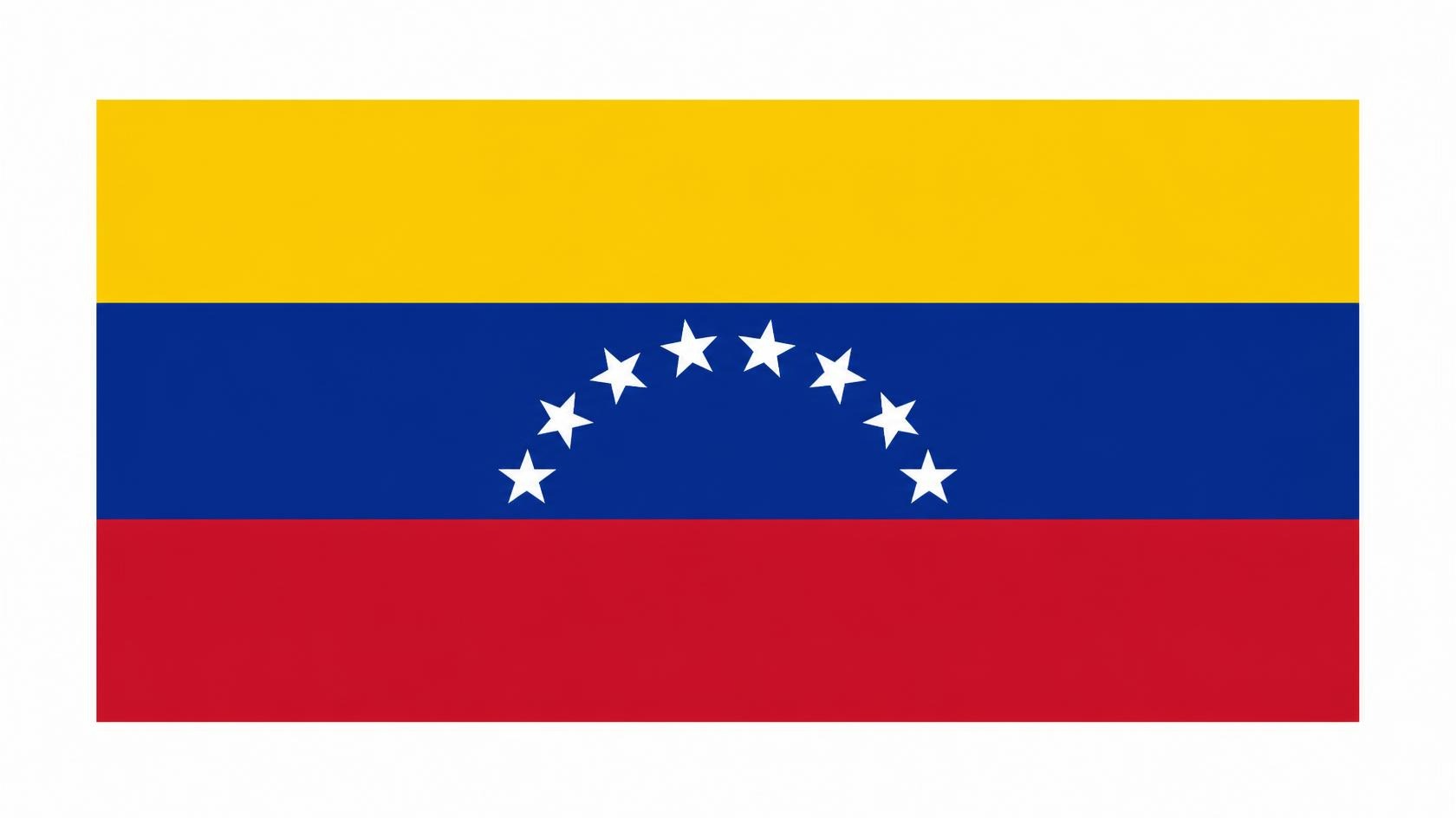
Miranda’s design, three horizontal stripes of yellow, blue, and red, was inspired by Enlightenment ideals and, according to his own writings, by a conversation with Johann Wolfgang von Goethe about the symbolism of primary colours.
Why 3 August?
Although the flag was first flown at sea on 12 March 1806, it was 3 August 1806 that marked its first appearance on Venezuelan soil. On that day, Miranda’s forces raised the banner over the parish tower of La Vela de Coro in present-day Falcón State. This symbolic act represented the arrival of the independence movement within the territory itself.
For many years, Venezuela celebrated Flag Day on 12th March, but in 2006, President Hugo Chávez officially moved the holiday to 3rd August to commemorate the moment the flag was first raised in the homeland.
Symbolism of the Tricolour
- Yellow — associated with light, nobility, and the richness of the land.
- Blue — representing the sea that separates Venezuela from Spain, as well as serenity and depth.
- Red — symbolising courage, sacrifice, and the blood shed for independence.
Miranda envisioned these colours as a unifying emblem for a future confederation of Spanish American nations, a vision that later influenced the flags of Colombia and Ecuador.
Historical Significance of Miranda’s Expedition
Miranda’s 1806 landing was militarily unsuccessful, his forces withdrew after just 13 days, but politically transformative. The event was widely reported across Europe and the Americas, inspiring revolutionary sentiment and laying ideological groundwork for the independence movements that followed.
His proclamation argued that Spanish America had the right to self-govern, especially after the abdications of Spanish monarchs and the instability in Spain. These ideas later shaped the 1811 Declaration of Independence, where the tricolour was formally adopted by the National Congress.
Modern Flag Day Celebrations
Today, Flag Day in Venezuela is marked by:
- Ceremonial flag-raising events across the country
- Tributes to Francisco de Miranda as a hero of hemispheric independence
- Educational programs highlighting the flag’s symbolism and history
- Civic and military commemorations emphasizing national unity and sovereignty
The day serves not only as a remembrance of the flag’s origins but also as a celebration of Venezuela’s ongoing struggle for independence, identity, and dignity.
Key Takeaways
- Date: 3rd August
- Purpose: Commemorates the first raising of Miranda’s tricolour in Venezuela (1806)
- Historical figure: Francisco de Miranda, precursor of Latin American independence
- Symbolism: Unity, sovereignty, and the Enlightenment ideals behind the tricolour
- Modern relevance: Reinforces national identity and honours revolutionary heritage
Leave a Reply