
USA National Pumpkin Day, observed every year on 26th October, is a seasonal celebration that honours the pumpkin as one of America’s most iconic autumn symbols. The day highlights the pumpkin’s deep cultural roots in the United States, its agricultural importance, and its role in shaping American traditions surrounding harvest time, Halloween, and Thanksgiving. Although pumpkins are now associated with festive décor and family activities, their significance in American life stretches back centuries, making National Pumpkin Day a moment to appreciate both heritage and contemporary seasonal culture.
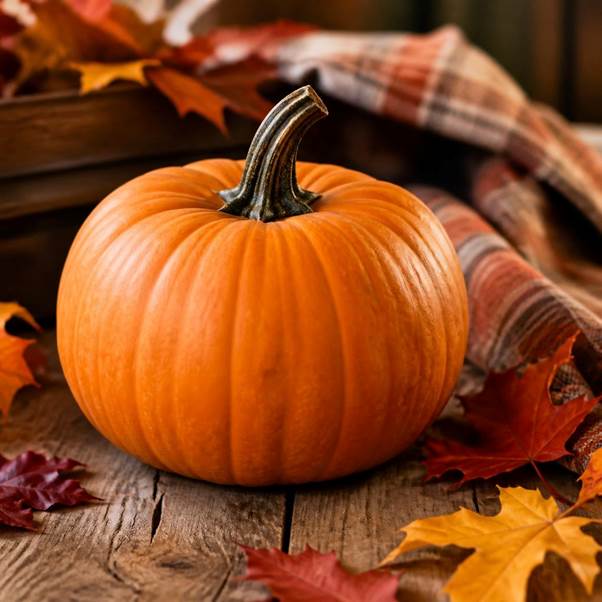
Pumpkins are native to North America, and Indigenous peoples cultivated them long before European settlement. Early Native American communities used pumpkins for food, storage vessels, and medicinal purposes, recognising the plant’s versatility and nutritional value. When European settlers arrived, they adopted pumpkins into their diets, using them in stews, breads, and early versions of pumpkin pie. Over time, pumpkins became closely tied to American agricultural identity, particularly in rural communities where autumn harvests shaped local economies and seasonal rhythms. National Pumpkin Day therefore serves as a reminder of the pumpkin’s historical role in sustaining early American life and its continued importance in modern farming.
Agriculturally, pumpkins remain a major crop across the United States. States such as Illinois, California, Ohio, and Pennsylvania produce millions of pumpkins annually, with Illinois alone responsible for the majority of pumpkins used in commercial canning. The weeks leading up to Halloween represent the peak of pumpkin demand, as families visit pumpkin patches, farms, and markets to select pumpkins for carving, cooking, and decoration. USA National Pumpkin Day highlights the labour of farmers, growers, and agricultural workers who support this seasonal industry, emphasising the connection between local farming communities and national autumn traditions.
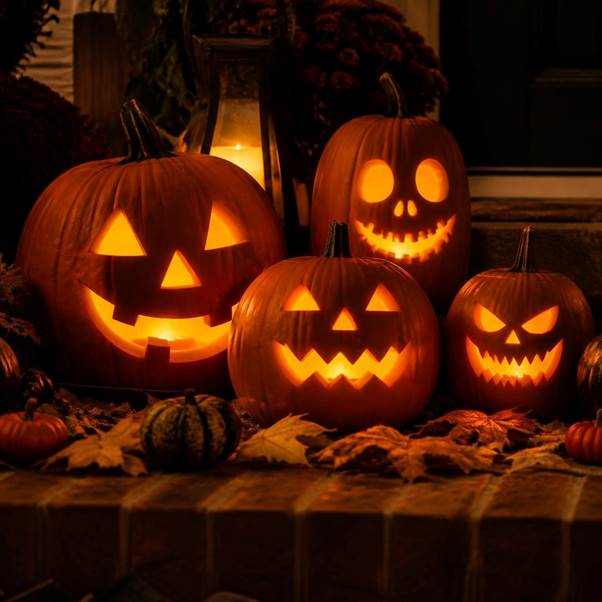
Culturally, pumpkins are central to American celebrations of Halloween and Thanksgiving. The carving of jack‑o’-lanterns, now a widespread tradition, originated from Irish immigrant customs of carving turnips and gourds. In the United States, pumpkins quickly replaced these smaller vegetables due to their size and availability, becoming a defining symbol of Halloween festivities. Meanwhile, pumpkin pie has become an essential part of Thanksgiving meals, representing comfort, harvest abundance, and culinary heritage. National Pumpkin Day celebrates these traditions, encouraging communities to embrace the creativity, nostalgia, and family togetherness associated with pumpkin‑based activities.
From a culinary perspective, pumpkins offer a wide range of uses beyond holiday desserts. Rich in vitamins A and C, fibre, and antioxidants, pumpkins are incorporated into soups, breads, pastas, beverages, and modern seasonal favourites such as pumpkin spice lattes. USA National Pumpkin Day encourages home cooks and food enthusiasts to explore pumpkin recipes, reduce food waste by cooking rather than discarding carved pumpkins, and appreciate the nutritional value of this versatile ingredient. Many food organisations use the day to promote sustainable eating practices and highlight the environmental benefits of seasonal produce.
The observance also celebrates the artistic and creative potential of pumpkins. Communities across the United States host carving contests, pumpkin festivals, craft workshops, and public displays featuring elaborate pumpkin sculptures. These events foster local engagement, support small businesses, and contribute to the festive atmosphere that defines late October. Schools, libraries, and cultural centres often participate by organising educational activities that explore pumpkin history, agriculture, and folklore, reinforcing the pumpkin’s role in American cultural storytelling.
Ultimately, USA National Pumpkin Day is more than a celebration of a seasonal vegetable, it is an acknowledgment of the pumpkin’s enduring place in American history, agriculture, cuisine, and cultural identity. By recognising pumpkins as symbols of harvest, creativity, and community, the day invites Americans to embrace the richness of the autumn season. Whether enjoyed through cooking, carving, farming, or festive gatherings, pumpkins continue to shape the nation’s seasonal traditions, reaffirming their importance each year on 26th October.
Leave a Reply