
Turkmenistan’s Melon Day, celebrated every year on the second Sunday of August, is one of the most distinctive national holidays in Central Asia. It’s a vibrant celebration of agriculture, heritage, and national pride, centred around one of the country’s most cherished fruits: the Turkmen melon.
Why Melon Day Exists
The holiday was officially established in 1994 by Turkmenistan’s first president, Saparmurat Niyazov, who praised the Turkmen melon as a symbol of national identity. Melons have long been grown in the region’s fertile oases, and Turkmen varieties are renowned for their sweetness, aroma, and size.
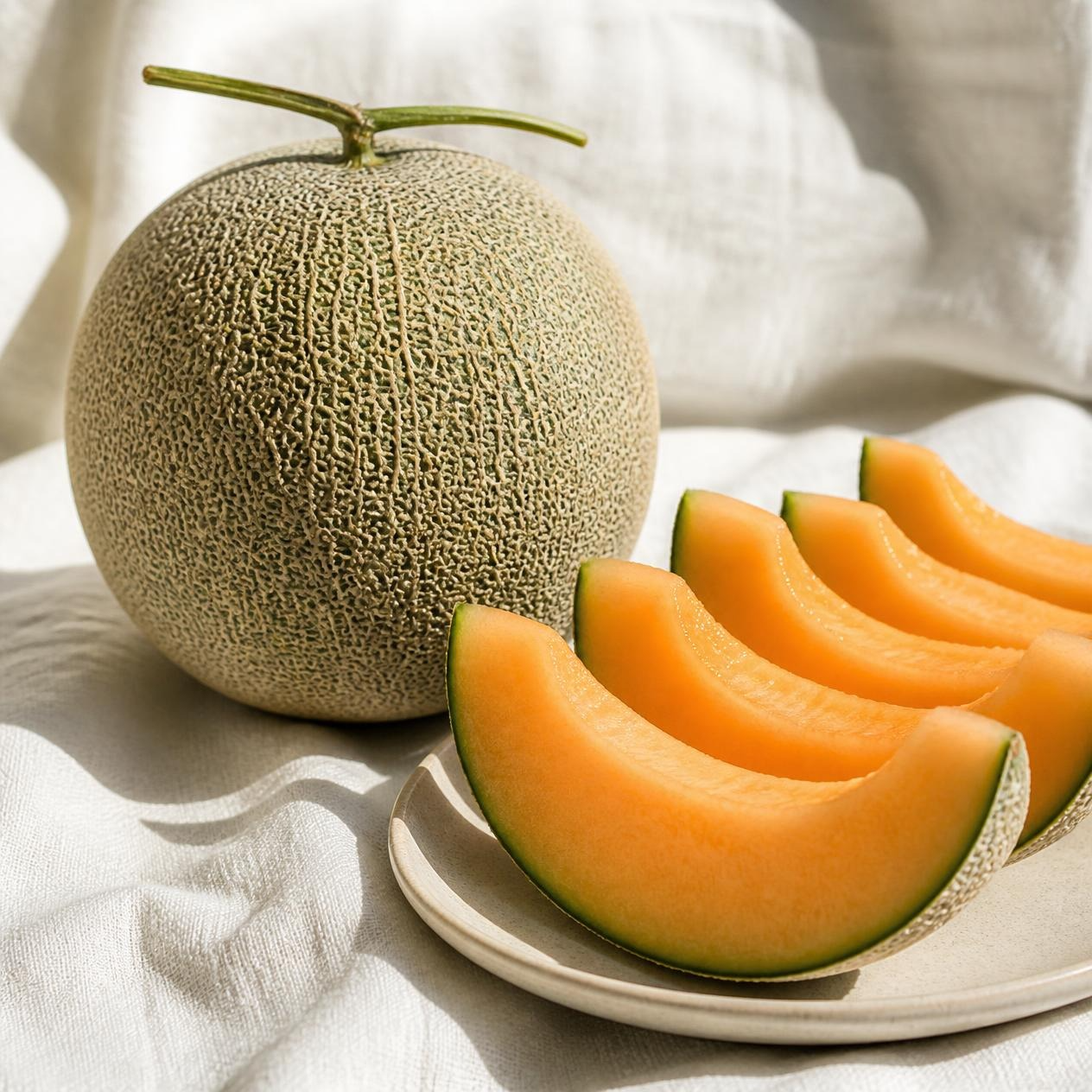
Melon Day celebrates:
- The agricultural heritage of Turkmen farmers
- The diversity of melon varieties grown across the country
- The cultural symbolism of abundance, prosperity, and hospitality
Cultural Significance
Melons hold a special place in Turkmen culture. They are seen as:
- A gift of the land, representing fertility and good harvests
- A symbol of Turkmen craftsmanship, as farmers cultivate dozens of unique varieties
- A traditional offering of hospitality, often served to guests during summer
The holiday reinforces national pride by highlighting Turkmenistan’s agricultural achievements and the importance of rural communities.
How Melon Day Is Celebrated
Celebrations take place across Turkmenistan, especially in rural regions and major cities like Ashgabat.
1. Melon Exhibitions
Farmers showcase their best melons, giant melons, rare varieties, and perfectly shaped fruits. Competitions award prizes for:
- Sweetness
- Aroma
- Size
- Traditional cultivation methods
2. Cultural Performances
Festivals include:
- Folk dances
- Traditional music
- Poetry recitations celebrating Turkmen land and harvest
3. Agricultural Fairs
Visitors enjoy:
- Fresh melon tastings
- Displays of farming tools
- Demonstrations of traditional growing techniques
4. Family Gatherings
Families share meals featuring melon dishes, desserts, and refreshing drinks.
Melon Varieties Celebrated
Turkmenistan is home to dozens of melon types, each with its own flavour profile. Popular varieties include:
- Gokcha — crisp and aromatic
- Vakharman — extremely sweet
- Garagum — large, juicy, and grown in desert regions
- Ak Gül — pale-skinned with floral notes
These melons are prized not only locally but across Central Asia.
Economic and Social Impact
Melon Day also highlights Turkmenistan’s agricultural economy. The holiday:
- Encourages local farming innovation
- Promotes regional trade
- Strengthens community identity
- Supports traditional farming knowledge passed down through generations
Comparison with Other Harvest Festivals
| Country | Festival | Focus |
|---|---|---|
| Turkmenistan | Melon Day | Celebrates melons and agricultural heritage |
| Japan | Harvest Moon Festival | Rice harvest and moon-viewing |
| India | Pongal | Gratitude for harvest and sun |
| USA | Thanksgiving | Harvest, family, and gratitude |
Key Takeaways
- Melon Day is celebrated on the second Sunday of August.
- It honours Turkmenistan’s agricultural traditions and melon varieties.
- The holiday features exhibitions, competitions, cultural performances, and family gatherings.
- It is both a cultural celebration and an economic showcase for Turkmen farmers.
Leave a Reply