
A Day Honouring a Complex Architect of American Ideals
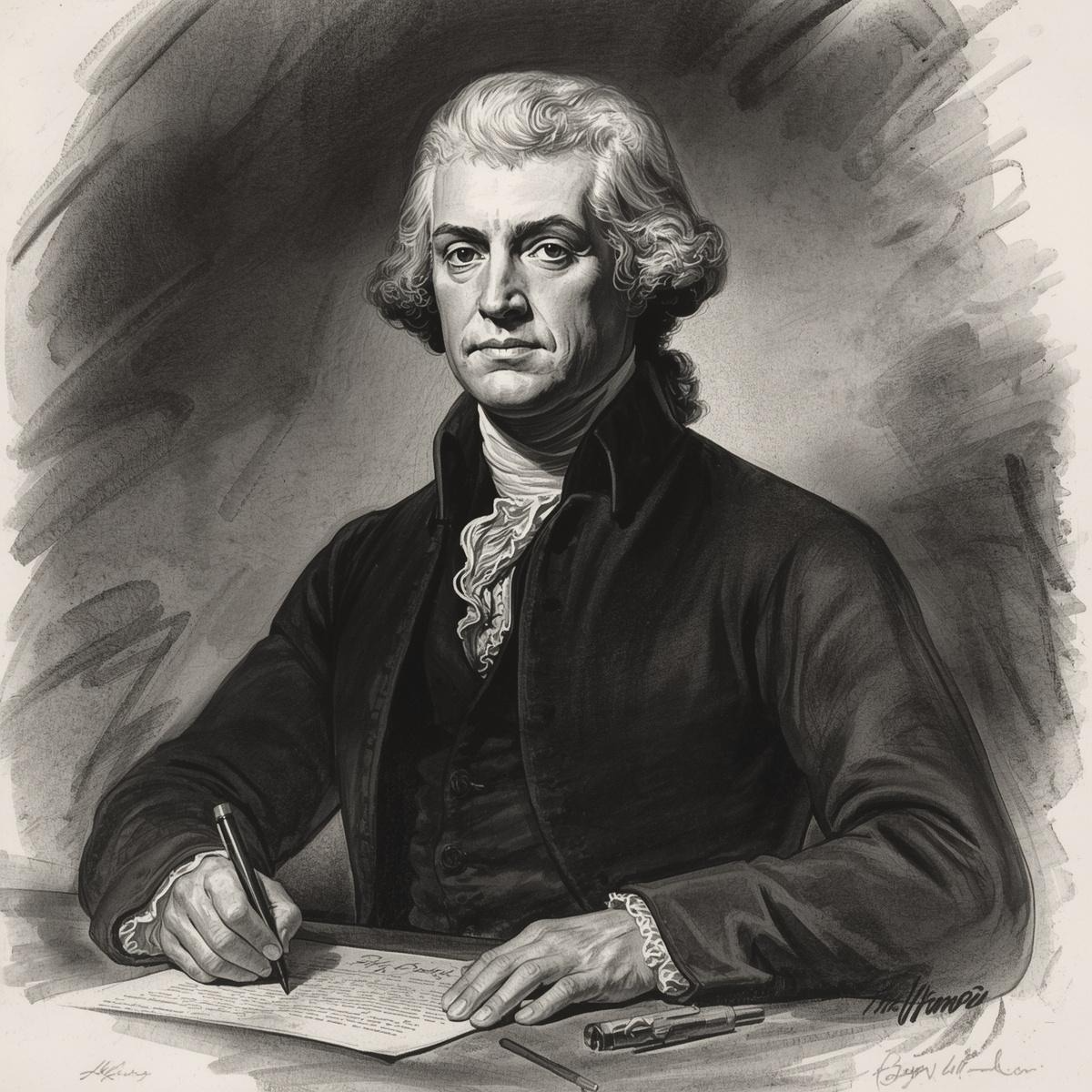
Thomas Jefferson Day, observed each year on 13th April, commemorates the birth of Thomas Jefferson, Founding Father, principal author of the Declaration of Independence, and the third President of the United States. The day serves as an opportunity to reflect on Jefferson’s profound influence on the early American republic, while also acknowledging the complexities and contradictions that shaped his life and legacy.
Jefferson’s Role in Shaping the American Experiment
Author of the Declaration of Independence
Jefferson’s most enduring contribution is his authorship of the Declaration of Independence in 1776. His famous assertion that “all men are created equal” became a defining moral and political statement for the nation. The document laid the philosophical foundation for American democracy, emphasizing natural rights, liberty, and the consent of the governed.
Champion of Enlightenment Ideals
Jefferson was deeply influenced by Enlightenment thinkers. His writings and policies reflected:
- Belief in reason and scientific inquiry
- Commitment to individual liberty
- Advocacy for religious freedom
- Suspicion of concentrated political power
These principles helped shape the emerging identity of the United States.
President and Statesman
As the third U.S. President (1801–1809), Jefferson oversaw major developments, including:
- The Louisiana Purchase, which doubled the size of the nation
- The Lewis and Clark Expedition, which expanded geographic and scientific knowledge
- Efforts to reduce national debt and limit federal government power
His presidency left a lasting imprint on the nation’s political and territorial landscape.
The Complexities of Jefferson’s Legacy
Thomas Jefferson Day also invites reflection on the contradictions in his life. While he wrote passionately about liberty and equality, he was also a lifelong enslaver. This tension has become central to modern discussions about his legacy.
A Legacy Re-examined
Contemporary historians and educators use the day to explore:
- The gap between Jefferson’s ideals and his personal practices
- The experiences of enslaved people at Monticello
- The evolving meaning of American freedom
This more nuanced approach ensures that Jefferson is remembered not as a mythic figure, but as a human being shaped by the moral and political struggles of his time.
Why Thomas Jefferson Day Is Celebrated on 13th April
The date marks Jefferson’s birthday, April 13, 1743. The observance was formally recognized by the U.S. government in the 1930s, and although it is not a federal holiday, it is widely acknowledged by:
- Historical societies
- Educational institutions
- Museums such as Monticello and the Smithsonian
- Civic organisations
13th April serves as a symbolic moment to revisit the founding ideals of the United States and to consider how they continue to evolve.
How the Day Is Observed
Educational Programs
Schools and universities often host lectures, discussions, and readings of the Declaration of Independence to explore Jefferson’s intellectual contributions.
Public Ceremonies
Monticello, Jefferson’s home in Virginia, traditionally holds ceremonies, including:
- Naturalization events for new U.S. citizens
- Historical re-enactments
- Public talks on Jefferson’s life and philosophy
Reflection on Democratic Ideals
Many use the day to reflect on:
- The meaning of liberty
- The responsibilities of citizenship
- The ongoing pursuit of equality
Jefferson’s words continue to inspire debates about the nation’s direction and values.
Conclusion: A Day of Reflection, Not Just Celebration
Thomas Jefferson Day is more than a commemoration of a Founding Father’s birthday. It is a moment to engage with the full scope of Jefferson’s legacy,
his visionary contributions to American democracy, his intellectual brilliance, and the contradictions that challenge us to think critically about the nation’s past.
By observing this day, Americans are invited to reflect on the ideals that shaped the United States and to consider how those ideals can be more fully realized in the present.
Leave a Reply