
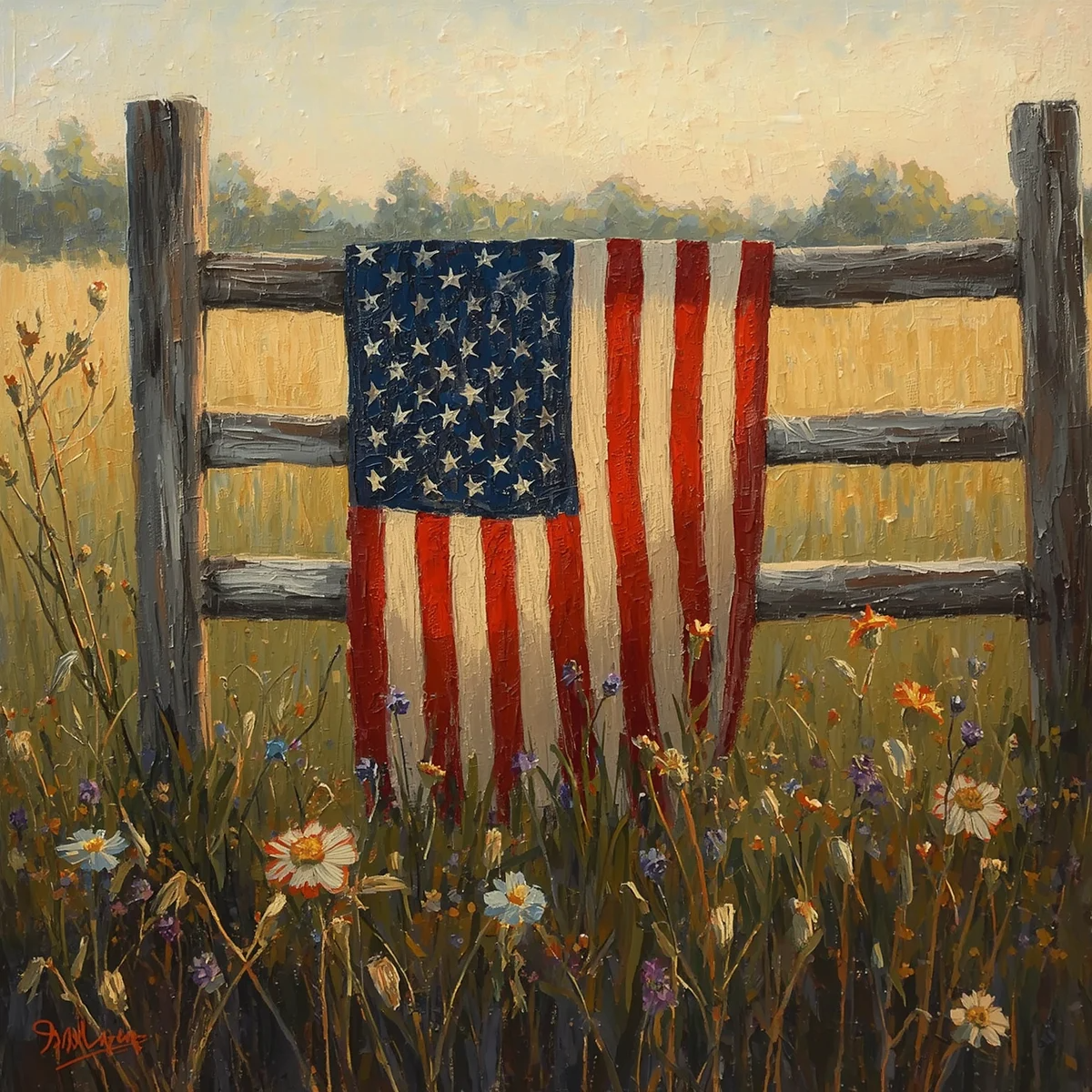
14th June 1777 marks one of the most defining moments in early American history: the day the Continental Congress officially adopted the Stars and Stripes as the national flag of the United States. This decision created not just a banner, but a powerful symbol of unity, independence, and the emerging identity of a new nation.
The Resolution That Changed a Nation
On 14th June 1777, during the American Revolution, the Continental Congress passed a simple but historic resolution:
“Resolved, That the flag of the thirteen United States be thirteen stripes, alternate red and white; that the union be thirteen stars, white in a blue field, representing a new constellation.”
This act established the first official version of the American flag, representing the thirteen original states that had declared independence from Britain.
Key figures connected to this moment include:
- Continental Congress — the governing body that approved the flag
- Betsy Ross — often credited in popular lore with sewing the first flag
- George Washington — whose leadership shaped early national symbols
What the Original Flag Symbolised
The first Stars and Stripes carried deep meaning for a nation fighting for survival:
- Thirteen stripes — symbolising unity among the original states
- Thirteen stars — arranged in a circle or constellation, representing equality
- Red, white, and blue — colours associated with courage, purity, and justice
The flag was more than decoration; it was a rallying point for soldiers, a diplomatic emblem abroad, and a declaration of identity.
🧭 Why June 14 Matters Today
June 14 is now celebrated in the United States as Flag Day, a tradition formally established in 1916 and recognised by Congress in 1949. It honours:
- The creation of the national flag
- The ideals of independence and unity
- The sacrifices made during the American Revolution
- The evolution of the flag as the nation grew
Communities across the country mark the day with ceremonies, parades, and educational events.
Explore more about:
- Flag Day history
- Evolution of the US flag
- Symbolism of the American flag
🏛️ How the Flag Evolved After 1777
As new states joined the Union, the flag changed to reflect the nation’s growth. The most significant updates included:
- Adding stars for each new state
- Retaining the original thirteen stripes to honour the founding states
- Standardising star patterns in later years
Today’s flag features 50 stars, representing a nation far larger than the one imagined in 1777.
✨ The Lasting Legacy of the Stars and Stripes
The adoption of the Stars and Stripes created a symbol recognised around the world. It has flown:
- On battlefields from the Revolution to the present
- On ships exploring the world’s oceans
- On the moon during the Apollo 11 mission
- At schools, government buildings, and homes across the country
It remains a powerful emblem of American identity, resilience, and aspiration.
📜 A Moment That Defined a Nation
The decision made on 14 June 1777 was more than administrative. It was a declaration of unity and purpose at a time when the future of the United States was far from certain. The Stars and Stripes became a symbol of hope — a “new constellation” lighting the path of a new nation.
Leave a Reply