
Honouring the Sacred Symbol of a Nation
Celebrated Every Year on 13 March
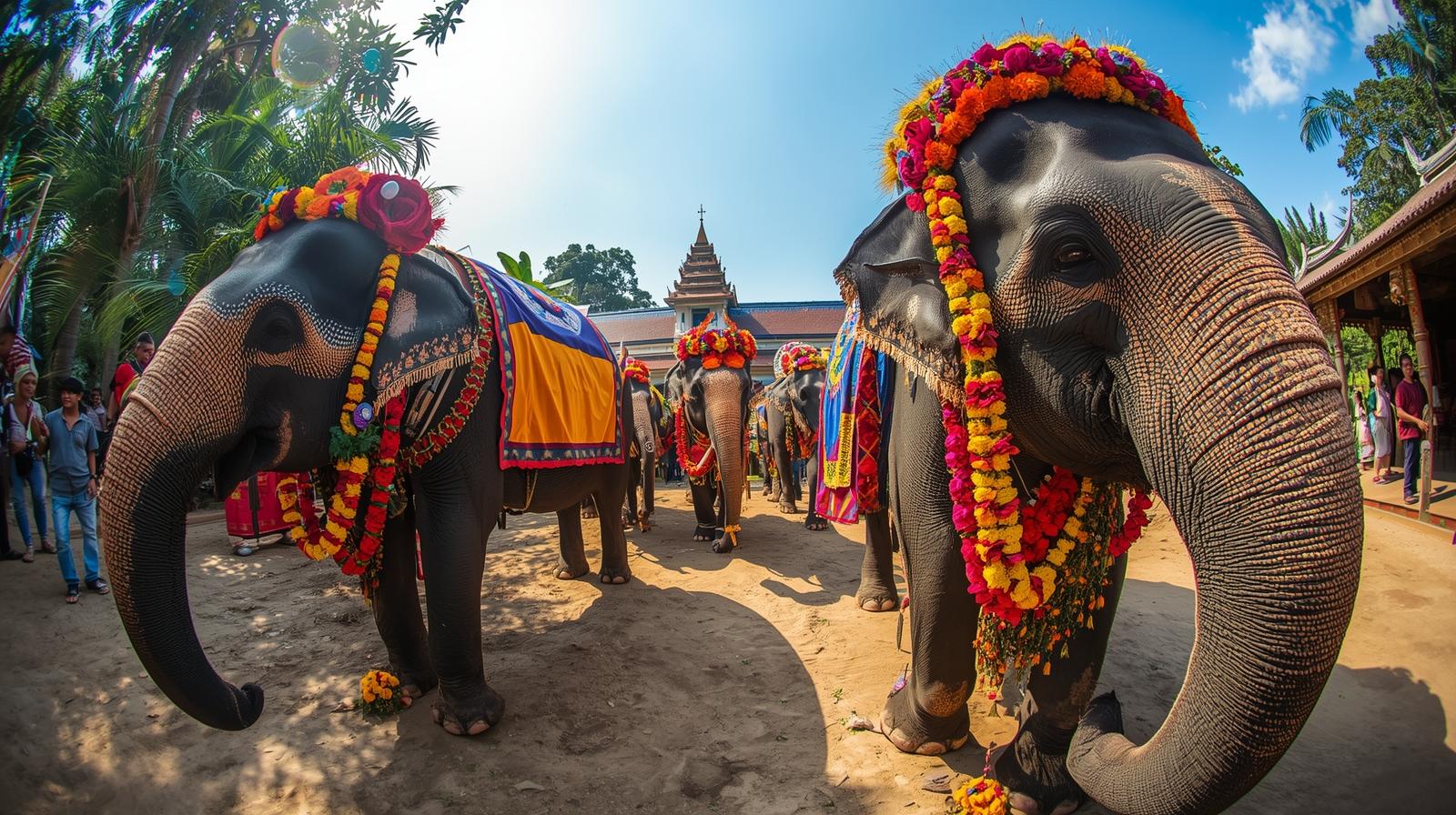
Every year on 13th March, Thailand pauses to honour one of its most cherished national symbols, the elephant. Known as Wan Chang Thai (วันช้างไทย), National Elephant Day is a celebration steeped in centuries of culture, mythology, and conservation urgency. It is a day when the Thai people renew their deep, enduring bond with an animal that has shaped the history, spiritual life, and identity of their nation.
The Origins of the Holiday
National Elephant Day was officially established in 1998 by the Thai government, following a proposal by the Thai Elephant Conservation Centre and several wildlife organisations. The date, 13th March, was chosen because it is the date on which the white elephant, or albino elephant, has traditionally been regarded as the most auspicious creature in Thai belief. The white elephant has long been a royal symbol: historically, a king’s greatness was measured in part by the number of white elephants he possessed.
The white elephant is so central to Thai national identity that it once appeared on the country’s flag, the national flag of Siam featured a white elephant on a red background until 1917. Today, the white elephant remains the official symbol of the Royal Thai Navy and appears in numerous royal and ceremonial contexts across the country.
The Elephant in Thai History and Culture
The relationship between the Thai people and elephants stretches back thousands of years. Elephants were integral to ancient warfare, Thai kings rode them into battle, and the outcome of pivotal conflicts often rested on the strength and training of their elephant corps. The legendary King Naresuan the Great, who led Siam to independence from Burmese rule in the late 16th century, famously engaged in single combat with the Burmese crown prince atop war elephants.
Beyond warfare, elephants became the backbone of Thailand’s logging and agriculture industries, hauling timber through dense forests that no machine could navigate. They carried royalty, transported goods, and were trained in elaborate ceremonies for religious festivals and royal pageantry. The elephant was not merely a working animal, it was a partner, a companion, and in many households, a member of the family.
In Thai Buddhism, the elephant holds profound spiritual significance. The god Ganesha, the elephant-headed deity, is widely venerated across the country. White elephants, known as chang samkhan or “auspicious elephants,” are believed to be reincarnations of bodhisattvas and are treated with extraordinary reverence.
How National Elephant Day is Celebrated
Celebrations take place across the country, but they are most elaborate in Chiang Mai and Lampang, the northern provinces historically most associated with elephant culture. Typical events and activities include:
- Ceremonial feasts for elephants, known as “elephant buffets,” in which enormous spreads of fruit and vegetables are laid out for the animals to enjoy. These colourful events draw large crowds and are widely photographed.
- Religious merit-making ceremonies, where monks bless the elephants and prayers are offered for their health and well-being.
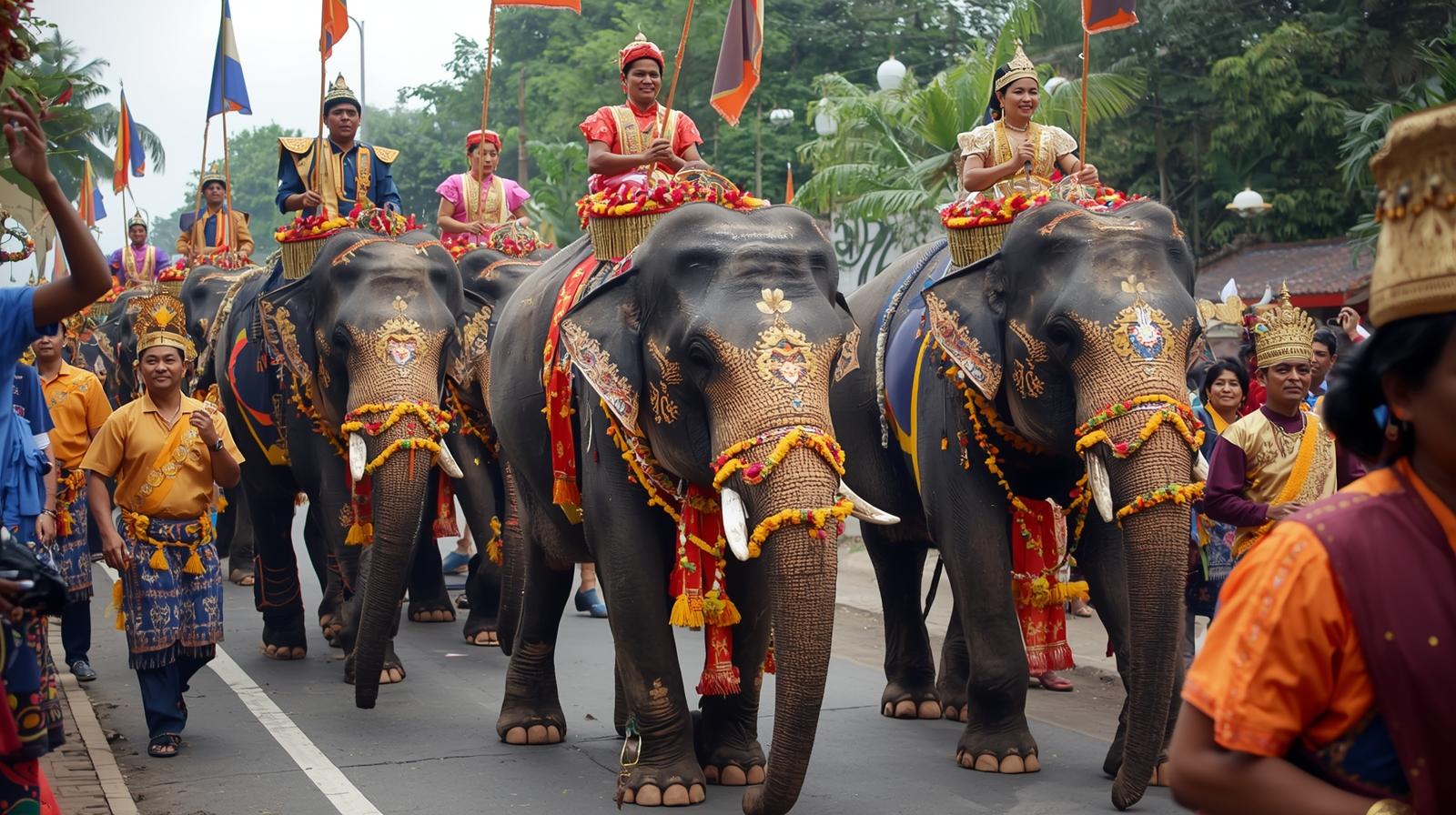
- Cultural performances and processions featuring elephants dressed in traditional regalia, echoing the royal ceremonies of centuries past.
- Educational exhibitions and awareness campaigns organised by zoos, sanctuaries, and conservation groups to inform the public about threats facing wild elephants.
- Fundraising drives for elephant sanctuaries and wildlife corridors, with charities encouraging donations and adoptions of elephants in need.
A Crisis Behind the Celebrations
Beneath the festivity, National Elephant Day carries a note of urgency. Thailand’s elephant population has declined dramatically over the past century. At the turn of the 20th century, an estimated 100,000 elephants roamed Thailand’s forests. Today, fewer than 4,000 remain, roughly half in captivity and half in the wild.
The drivers of this decline are numerous: habitat loss due to deforestation and agricultural expansion, human-elephant conflict as farmland encroaches on traditional elephant ranges, illegal poaching for ivory and other body parts, and the longstanding capture of wild elephants for the tourism and entertainment industries. The Asian elephant is classified as Endangered on the IUCN Red List, a status that makes National Elephant Day not only a cultural celebration but a call to action.
Conservation Efforts and the Road Ahead
In recent years, Thailand has made significant strides in elephant conservation. The Thai Elephant Conservation Centre in Lampang, founded in 1993, operates as one of the world’s foremost elephant care facilities, providing medical treatment, rehabilitation, and a retirement sanctuary for rescued elephants. The centre also runs breeding programmes and trains mahouts, traditional elephant handlers, in humane care practices.
Ethical elephant sanctuaries have proliferated across northern Thailand, offering tourists the chance to observe and interact with elephants in non-exploitative settings. The shift away from riding and performing elephants toward observation-only models has been slow but meaningful, driven in part by growing international awareness of animal welfare issues.
The Thai government has also expanded protected wildlife corridors and national parks, working alongside NGOs to reduce human-elephant conflict in border communities. Compensation schemes for farmers whose crops are damaged by wild elephants have helped shift local attitudes from hostility to coexistence.
More Than a Symbol
For the Thai people, the elephant is far more than a national symbol; it is a living thread connecting the present to a rich and ancient past. National Elephant Day serves as a yearly reminder of this bond: a chance to give thanks, to reflect on the elephant’s place in Thai civilisation, and to recommit to ensuring that future generations inherit a Thailand where elephants still roam free.
Whether you are watching an elephant feast on mangoes at a sanctuary in Chiang Mai, making a donation to a mahout-support programme, or simply pausing to learn about these magnificent animals, 13th March is a day that invites the world to share in Thailand’s love for its greatest symbol, and to help protect it.
🐘 Wan Chang Thai — 13 March 🐘
Leave a Reply