
Dydd Gŵyl Dewi Hapus — Happy Saint David’s Day
Every year on 1st March, the people of Wales and Welsh communities around the world come together to celebrate one of the most beloved saints in Christendom, Saint David, or Dewi Sant in Welsh. Marked by colourful parades, traditional dress, the wearing of daffodils and leeks, and a deep sense of national pride, Saint David’s Day is far more than a feast day. It is a living celebration of Welsh identity, heritage, language, and culture.
Who Was Saint David?
Saint David was the greatest figure in the 6th-century Welsh Age of Saints, the founder of scores of religious communities, and the only native-born patron saint of the countries of Britain and Ireland.
Saint David was born around the year 500, the grandson of Ceredig ap Cunedda, King of Ceredigion. According to legend, his mother Saint Non gave birth to him on a Pembrokeshire clifftop during a fierce storm. The spot is marked by the ruins of Non’s Chapel, and a nearby holy well is said to have healing powers.
The traditional story claims his mother was a religious woman named Nonita, and the pain of childbirth was said to be so great that her fingers left marks in the rocks, and the stone “split in sympathy” with her. A chapel was built to mark the birthplace, called St. Non’s Chapel.
Despite the dramatic circumstances of his birth, Saint David was said to be a kind and pious Welsh man who established a strong Christian parish in South Wales. He taught his followers to refrain from eating meat and drinking beer, helping others to live a simple and pious life. Indeed, Saint David was a vegetarian, and the Monastic Rule of Saint David advocated that monks had to plough fields themselves without assistance, and drink only water and eat only bread.
A Life of Faith and Miracles
Saint David became a renowned preacher, founding monastic settlements and churches in Wales, Brittany and England, including, possibly, the abbey at Glastonbury. He is said to have made a pilgrimage to Jerusalem where he became an archbishop, and established a strict religious community in what is now St Davids in Pembrokeshire, West Wales.
David’s fame as a teacher and his asceticism spread among Celtic Christians, and he helped found about 1,200 monasteries. His foundation at Glyn Rhosyn became an important Christian shrine, and the most important religious centre in Wales.
The most celebrated miracle associated with him is both dramatic and endearing. When he was preaching to a large crowd at Llanddewi Brefi and people at the back complained that they could not hear him, the ground on which he stood rose up to form a hill. A white dove, sent by God, settled on his shoulder.
Saint David is also remembered for his extraordinary final words. He died on 1st March in 589 AD. His last words to his followers came from a sermon he gave the previous Sunday: “Be joyful, keep the faith, and do the little things that you have heard and seen me do.” His legacy lives on through the Welsh phrase ‘Gwnewch y pethau bychain mewn bywyd’, ‘Do the little things in life’, which is still a well-known maxim in Wales today.
How He Became Patron Saint of Wales
Saint David was recognised as a national patron saint in the 12th century, at the peak of Welsh resistance to the Normans. He was canonised by Pope Callixtus II in 1120, thanks to the work of Bernard, the Bishop of Menevia.
From the 12th century onwards, Saint David’s fame spread throughout South Wales and as far as Ireland and Brittany. Saint David’s Cathedral became a popular centre of pilgrimage, particularly after Dewi was officially recognised as a Catholic saint in 1120. From this period on, he was frequently referred to in the work of medieval Welsh poets. In 1398, it was ordained that his feast-day was to be kept by every church in the Province of Canterbury.
Saint David remains the only native-born patron saint from either Britain or Irelanda remarkable distinction that sets him apart.
The Symbols of Saint David’s Day
The Leek
The leek is the national emblem of Wales, and according to legend it was created by Saint David himself, who ordered Welsh soldiers to wear them on their helmets during battle to distinguish themselves from the enemy. Saint David reportedly lived on a diet of only leeks and water, giving the humble vegetable a deeply personal connection to the saint.
The Daffodil
While the leek is the older emblem of Wales, the daffodil’s popularity is comparatively modern. Cultural historians note that its rise was helped by the fact that the Welsh words for “leek” (cenhinen) and “daffodil” (cenhinen Bedr, or “Peter’s leek”) are similar, and by political figures in the late 19th and early 20th centuries promoting the flower as a more decorative national symbol that blooms around early March.
The Flag of Saint David
It is becoming increasingly popular to fly the Flag of Saint David on this day, which features a yellow cross on a black background, often flown alongside the famous Welsh Dragon flag.
How Saint David’s Day Is Celebrated
In Wales
From school Eisteddfods to colourful parades, communities across Wales and around the world come together to share culture, language, and heritage with pride. Every 1st March is a chance to celebrate, whether through grand parades, heartfelt performances, or small everyday acts of Welshness.
Children in Wales participate in school concerts or eisteddfodau, with recitation and singing as the main activities. The younger girls sometimes wear traditional Welsh costumes to school, a long woollen skirt, apron, white blouse, woollen shawl, and a Welsh hat.
Around Wales, the largest parade is held in Cardiff, the capital. The Cardiff parade is a non-military celebration of Welsh heritage and culture. Parades are also held in Swansea, Aberystwyth, Caernarfon, Cardigan, and Lampeter.
Many of Wales’s heritage sites, including the iconic St. David’s Bishop’s Palace, open their doors for free on this Welsh holiday. There are plenty of parades, concerts, and food festivals, especially in cities like Cardiff and Swansea.
Traditional Food
Saint David’s Day is also a feast for the taste buds. Traditional dishes enjoyed on the day include:
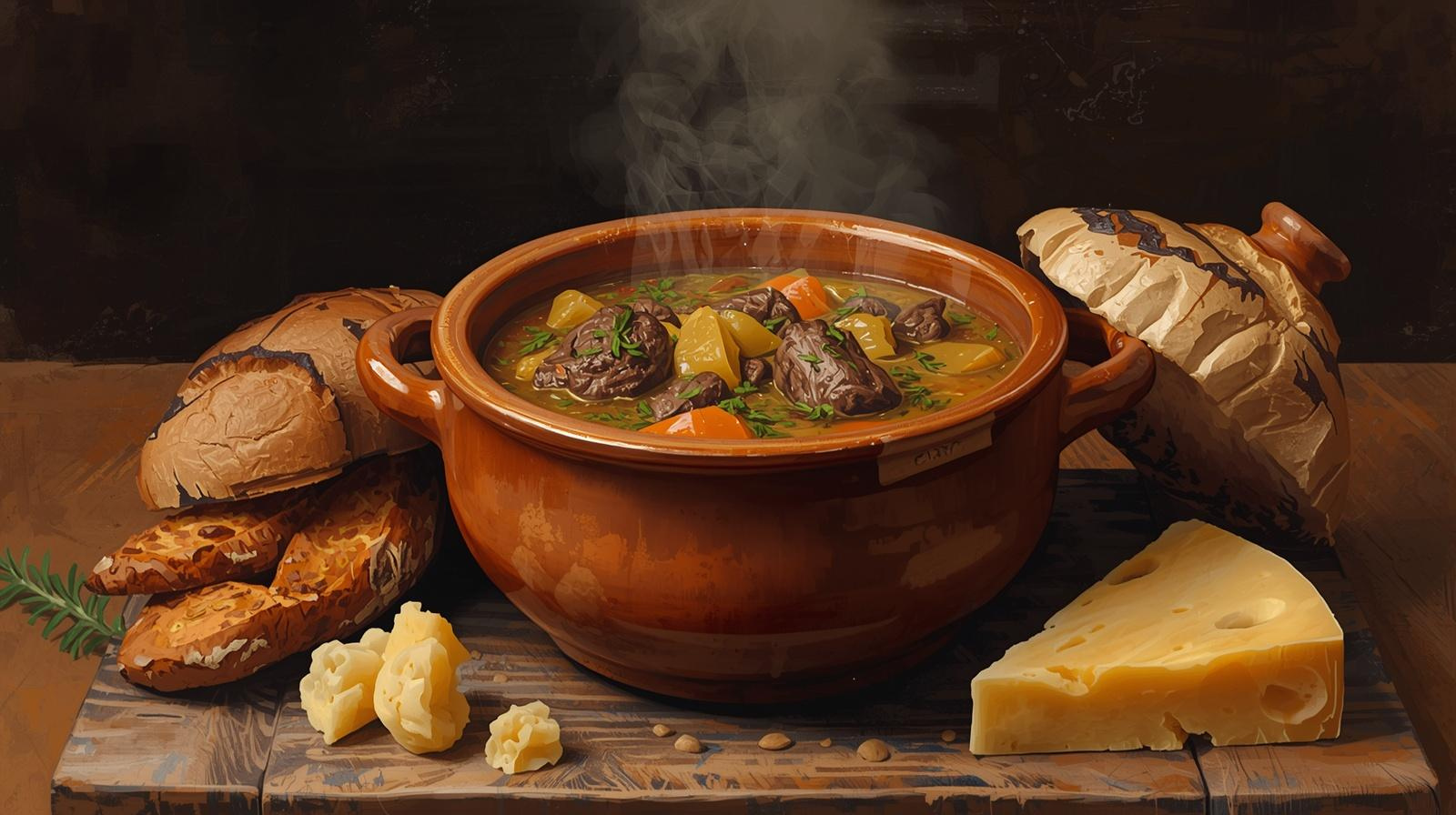
Cawl
A lamb and vegetable broth, traditionally served alongside bread and cheese, and considered the national dish of Wales.
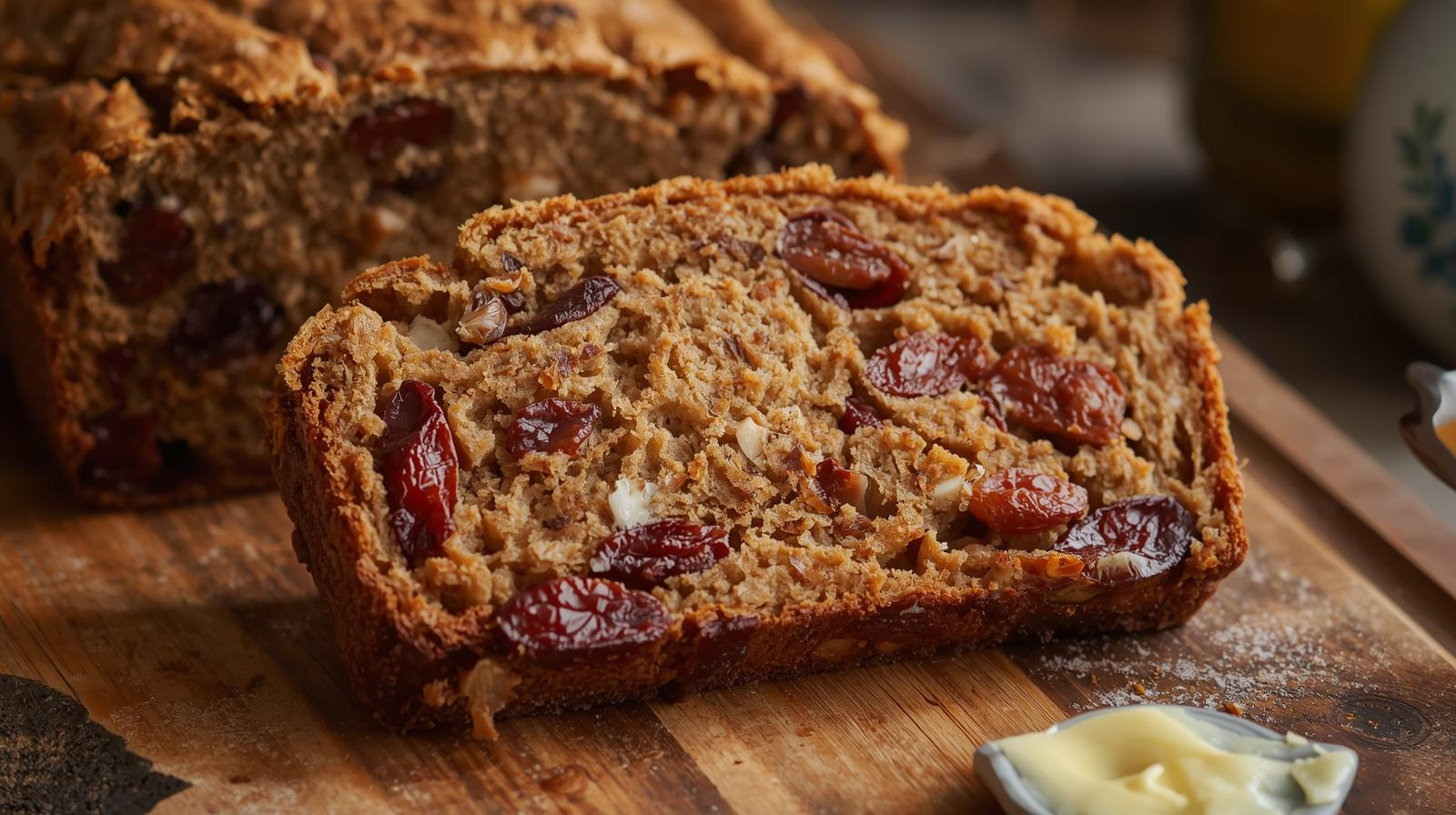
Bara Brith
A traditional Welsh fruit loaf made by soaking dried fruits in tea, then mixing them with flour and brown sugar. It creates a dense, moist bread best sliced and buttered, and is famously served at tea time in Wales.
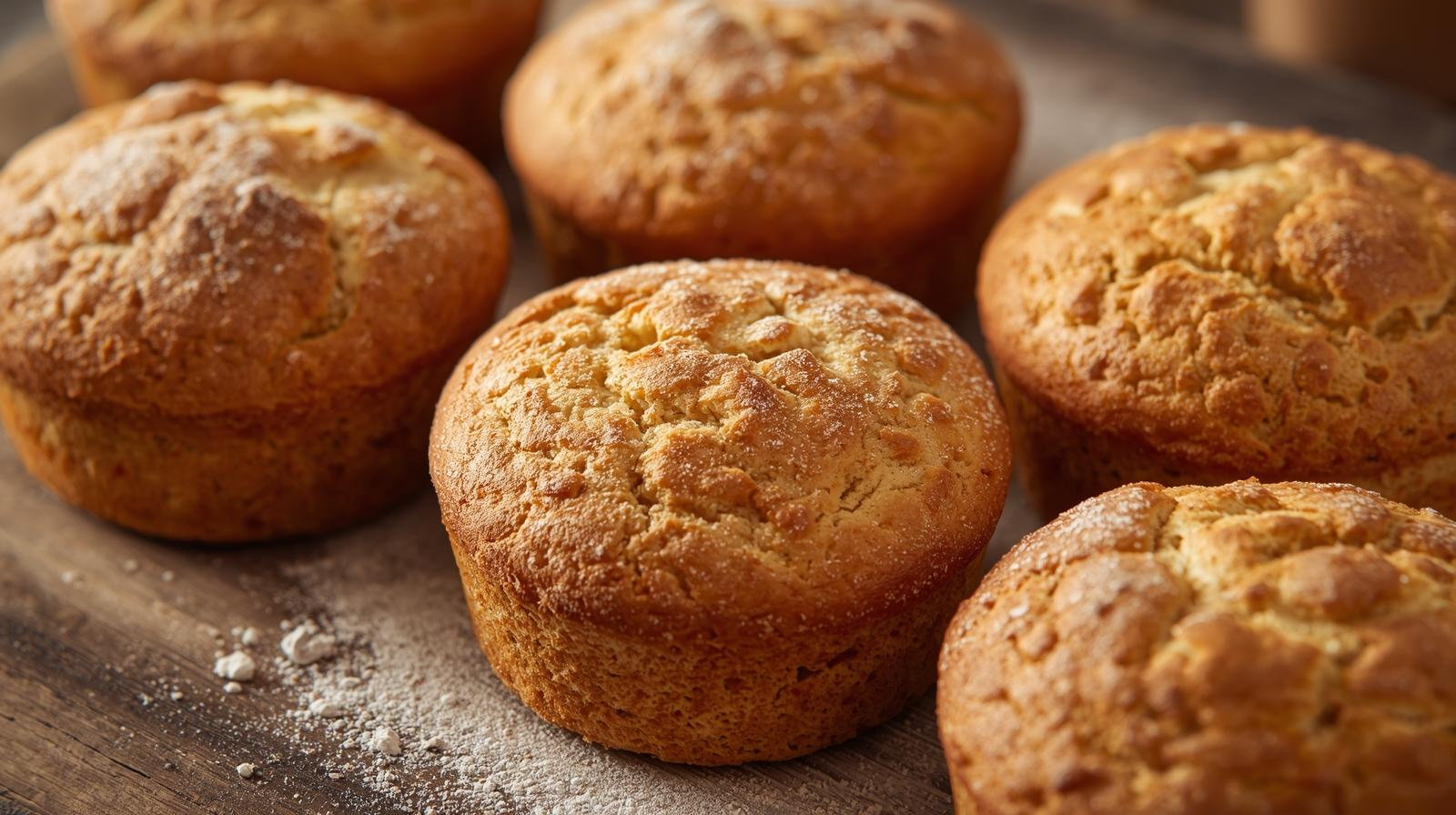
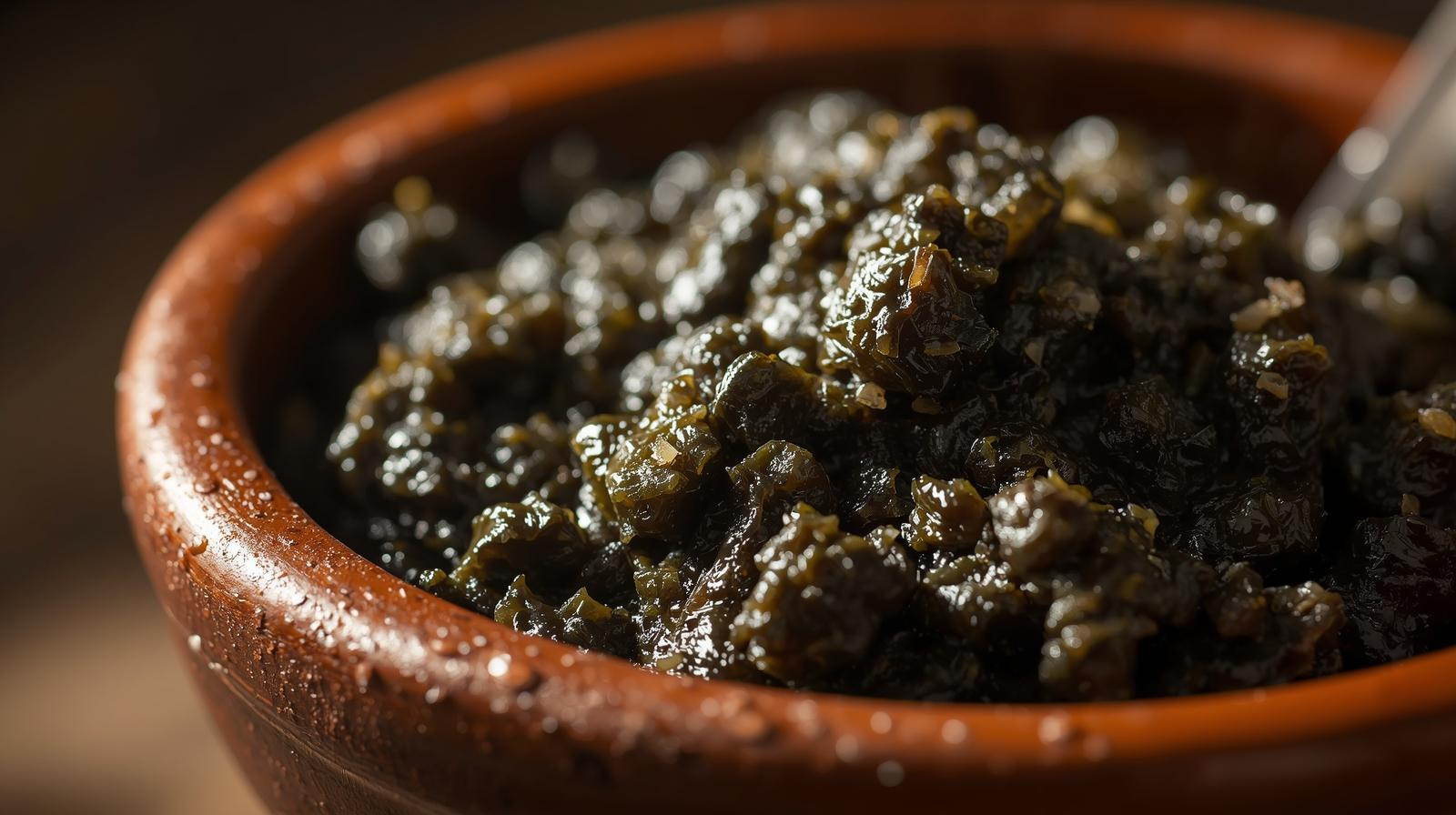
Other beloved treats include Welsh cakes, Welsh rarebit, and laverbread, a traditional Welsh seaweed dish.
Saint David Beyond Wales: Global Recognition
Saint David’s influence stretches far beyond the borders of Wales. From the 12th century onwards, Saint David’s fame spread throughout South Wales and as far as Ireland and Brittany.
Brittany, France
The Celtic people of Brittany have long venerated Saint David, reflecting the deep historic ties between the Celtic nations of Wales and Brittany.
Pennsylvania, USA
The city of Saint Davids in Pennsylvania takes its name from the saint, a reflection of the huge Welsh emigration to America in the 17th and 18th centuries. Welsh communities across North America continue to celebrate the day with concerts, dinners, and cultural events hosted by Welsh societies.
Canada and Australia
Large Welsh diaspora communities in both countries hold Saint David’s Day dinners and events, with Welsh choral societies performing traditional hymns and folk songs.
Internationally
Pope Benedict XVI praised Saint David as “one of the great saints of the sixth century, that golden age of saints and missionaries in these isles, and thus a founder of the Christian culture which lies at the root of modern Europe.” He encouraged Saint David’s message, “Be joyful, keep the faith, and do the little things”, to continue to resonate across the world.
The Campaign for a Public Holiday
Despite overwhelming public support, Saint David’s Day is currently not a bank holiday in Wales, a source of much disappointment, especially when Scotland celebrates Saint Andrew’s Day and Ireland celebrates Saint Patrick’s Day as national holidays. Various polls have consistently shown strong support in Wales for Saint David’s Day to be made a bank holiday. The campaign continues to grow year on year, with Welsh politicians regularly debating the matter in the Senedd (the Welsh Parliament).
A Day That Endures
From the windswept cliffs of Pembrokeshire where he was born, to the great St Davids Cathedral built on the site of his monastery, to the Welsh communities of Pittsburgh, Toronto, and Melbourne, the spirit of Saint David lives on in every daffodil pinned to a lapel, every bowl of cawl served, and every voice raised in the Welsh National Anthem.
Saint David’s story still inspires us today. Born on a stormy clifftop, he went on to shape Wales’ spiritual heritage and build communities across the land. His legacy lives on in this vibrant celebration of Welsh identity, a day to honour our past and embrace our future.
As the Welsh say every year on this proud and joyful day:
Dydd Gŵyl Dewi Hapus — Happy Saint David’s Day!
Saint David’s Day is celebrated on 1st March every year.
Leave a Reply