
Romania celebrates Flag Day on 26th June, a date that honours the moment when the blue, yellow, and red tricolour was officially consecrated as the symbol of the Romanian nation during the Revolution of 1848. The tricolour represented the ideals of the revolutionary generation, liberty, justice, and fraternity, and became a unifying emblem for Romanians across all historical provinces.
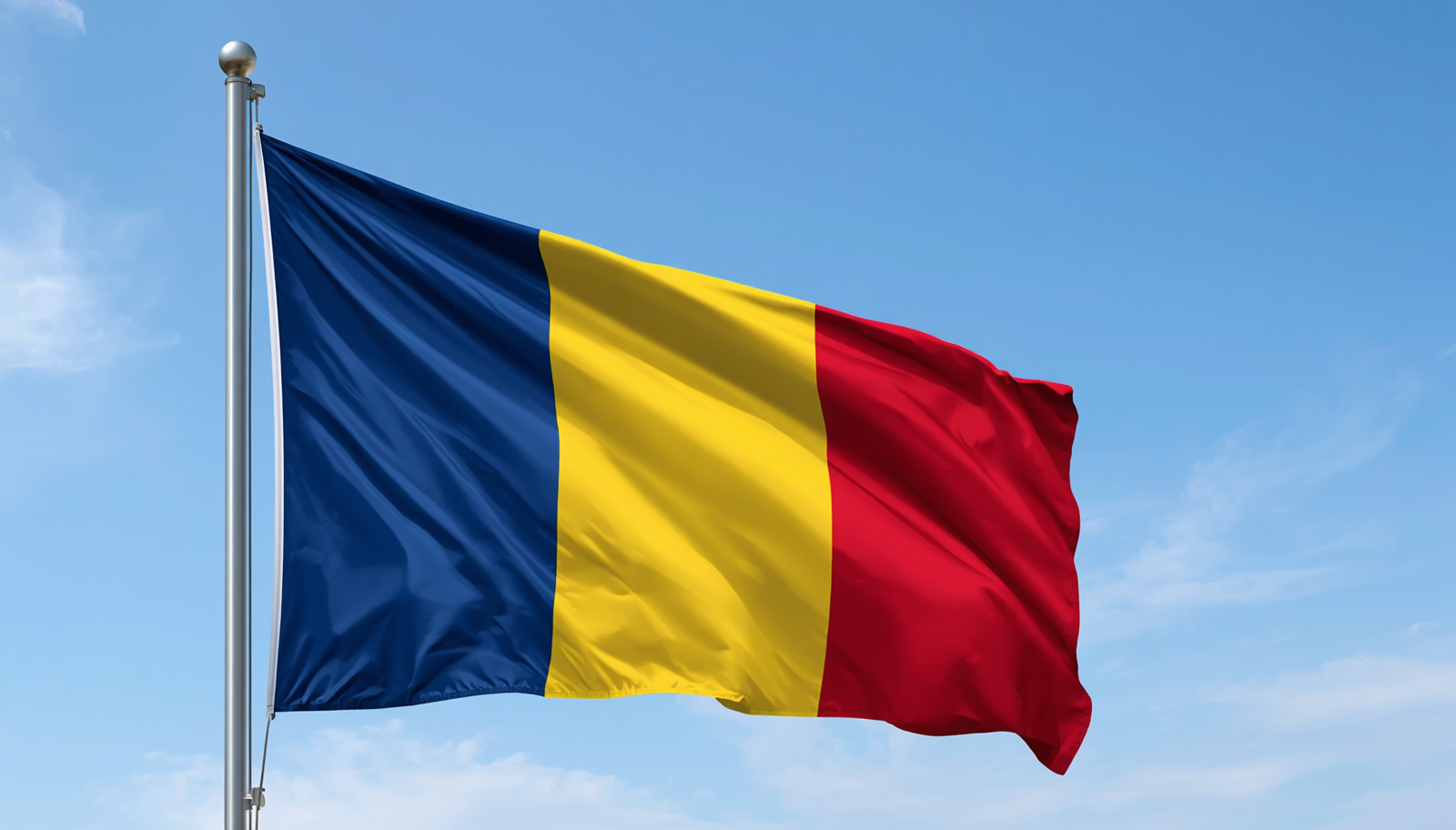
Although the three colours had appeared for centuries on the banners and coats of arms of Wallachia, Moldavia, and Transylvania, it was in 1848 that they were first formally adopted together as a national flag. The revolutionary flag bore the ” (“Justice, Brotherhood”), expressing the aspirations of a society seeking freedom and modernisation.
After the Union of the Principalities in 1859, the tricolour became even more deeply associated with national unity. In 1866, Romania officially adopted the vertical blue‑yellow‑red tricolour, the same design that remains in use today.
Throughout Romania’s history, including the struggle for independence, the Great Union of 1918, and the 1989 Revolution, the tricolour has accompanied the nation as a symbol of resilience, dignity, and hope. Today, Flag Day invites all Romanians to honour this legacy and reflect on the values the flag represents: freedom, unity, and continuity.
Leave a Reply