
Each year on 2nd May, Poland celebrates Flag Day (Dzień Flagi Rzeczypospolitej Polskiej), a national observance dedicated to honouring the country’s white‑and‑red flag and the values it represents. Though relatively young, established in 2004, the day has quickly become a cherished moment of reflection, unity, and national pride for Poles at home and around the world. 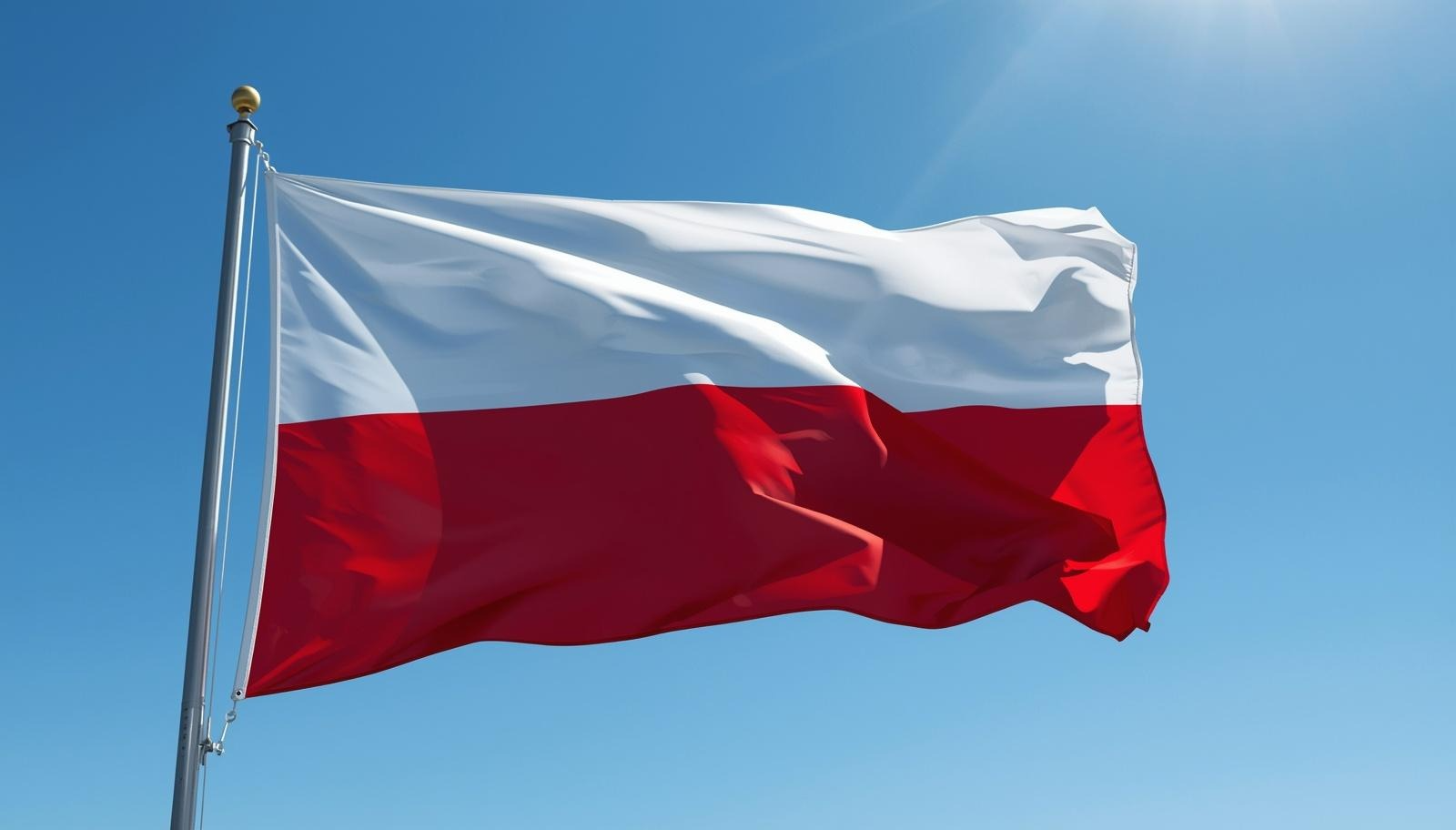 The Meaning Behind the Colours
The Polish flag consists of two horizontal stripes:
- White — symbolising purity, peace, and the White Eagle, Poland’s historic emblem
- Red — representing courage, sacrifice, and the enduring spirit of the nation
Together, these colours reflect centuries of resilience, cultural heritage, and the determination of the Polish people to preserve their identity through periods of hardship and triumph.
Why 2nd May?
Flag Day falls between two major national observances:
- May 1 — Labour Day
- May 3 — Constitution Day, celebrating Europe’s first modern constitution (1791)
2nd May was chosen for several reasons:
- It is the day when, in 1945, Polish soldiers raised the national flag over the Reichstag in Berlin.
- During the communist era, it was a day when flags were often removed after May 1 to prevent displays of patriotism on May 3.
- It provides a symbolic bridge between civic pride and constitutional heritage.
The date encourages Poles to reflect on their national identity and the values that unite them.
How Poles Celebrate Flag Day
Flag Day is not a public holiday, but it is widely observed across the country and within the global Polish diaspora. Common traditions include:
- Displaying the national flag on homes, balconies, public buildings, and streets
- Educational events in schools about the history and symbolism of the flag
- Patriotic ceremonies hosted by local governments and cultural institutions
- Family activities, such as crafts and outdoor events featuring the national colours
- Military honours, including flag‑raising ceremonies and parades
*Many Poles also wear white‑and‑red ribbons or pins as a personal expression of pride.
A Day Shared with the Polish Diaspora
2nd May is also celebrated as the Day of Poles Abroad (Dzień Polonii i Polaków za Granicą). This dual observance recognises the millions of Poles living outside the country and their contributions to preserving Polish culture, language, and traditions worldwide.
Together, the two celebrations highlight the global nature of Polish identity and the strong ties that connect communities across continents.
The Flag as a Living Symbol
Poland’s flag is more than a national emblem, it is a symbol of endurance, unity, and hope. From medieval banners to modern statehood, it has accompanied the nation through wars, uprisings, partitions, and rebirth. Today, it stands as a reminder of shared values and the ongoing story of the Polish people.
Flag Day invites citizens to reflect on that story, honour the sacrifices that shaped it, and celebrate the pride that continues to carry it forward.
Leave a Reply