
Pakistan’s Independence Day, celebrated every 14th August, is one of the country’s most powerful national observances, marked by the raising of the green‑and‑white flag, patriotic ceremonies, and reflections on the nation’s birth in 1947. Below is a full, structured article you can use for cultural calendars, educational toolkits, or national‑day collection.
What the Day Commemorates
Pakistan’s Independence Day marks the moment when the nation emerged as a sovereign state on 14th August 1947, following the end of British colonial rule and the partition of the Indian subcontinent. It honours the vision of Quaid‑e‑Azam Muhammad Ali Jinnah, the sacrifices of millions, and the creation of a homeland for South Asia’s Muslims.
It is also widely known as Flag Day, because the national flag, a symbol of unity, faith, and identity, takes centre stage in ceremonies across the country.
The National Flag: Meaning & Symbolism
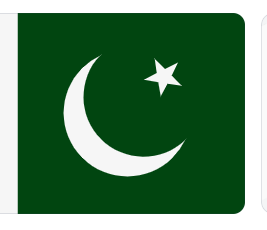
Pakistan Flag
Designed by Amiruddin Kidwai and adopted on 11th August 1947, the flag carries deep symbolism:
- Dark green field — the Muslim majority
- White vertical stripe — religious minorities and national inclusion
- Crescent — progress
- Five‑pointed star — light and knowledge
Flag‑raising ceremonies on 14th August reaffirm national unity and the values the flag represents.
Historical Background
The Road to Independence
The movement for Pakistan grew through decades of political negotiation, activism, and constitutional debate. Key milestones include:
- 1906 — Formation of the All‑India Muslim League
- 1930 — Allama Iqbal’s call for a separate Muslim state
- 1940 — Lahore Resolution, laying the foundation for Pakistan
- 1947 — British withdrawal and creation of Pakistan
Partition and Nationhood
Independence came with immense human cost, including mass migration and communal violence. Pakistan’s Flag Day honours both the triumph of nationhood and the resilience of its people.
How Pakistan Celebrates
National Ceremonies
- Flag hoisting at government buildings, schools, and homes
- Gun salutes in Islamabad and provincial capitals
- Speeches by national leaders reflecting on unity and progress
- Cultural performances showcasing music, poetry, and heritage
Community & Family Traditions
- Decorating homes with flags and lights
- Wearing green and white
- Patriotic songs and documentaries
- Special prayers for peace and prosperity
Youth & Digital Celebrations
Social media campaigns, creative videos, and digital art have become major parts of modern celebrations, especially among younger Pakistanis.
Key Figures Honoured
- Muhammad Ali Jinnah — Founder of Pakistan
- Allama Iqbal — Philosopher‑poet whose vision inspired the movement
- Liaquat Ali Khan — Pakistan’s first Prime Minister
Their leadership is central to Independence Day reflections.
Cultural Significance
Independence & Flag Day is more than a historical anniversary, it is a reaffirmation of national identity. It celebrates:
- Unity across diverse cultures
- The democratic and constitutional foundations of the state
- The resilience of Pakistan’s people
- The ongoing pursuit of progress and stability
It is a day of pride, remembrance, and hope.
Quick Reference Table
| Aspect | Details |
|---|---|
| Date | 14th August (annual) |
| Flag Adoption | 11th August 1947 |
| Key Symbols | Crescent (progress), star (light), green & white (unity) |
| Major Figures | Jinnah, Iqbal, Liaquat Ali Khan |
| Themes | Freedom, unity, resilience, national pride |
Key Takeaway
Pakistan’s Independence & Flag Day is a celebration of sovereignty, identity, and unity, a moment to honour the past and envision a brighter future.
Leave a Reply