
Every year on 17th July, Norway celebrates Flag Day (Flaggdag), a national observance dedicated to the country’s most important symbol of unity, independence, and cultural pride, the Norwegian flag. While not a public holiday, Flag Day holds deep historical meaning, marking the moment when Norway gained the right to fly its own flag after centuries of foreign rule.
The Historical Roots of Norway’s Flag
Centuries Without a National Flag
For much of its history, Norway did not have a flag of its own.
- From 1380 to 1814, Norway was in a union with Denmark, and the Danish flag (Dannebrog) was used.
- After 1814, Norway entered a new union with Sweden, and the Swedish flag dominated official use.
Norwegians longed for a symbol that represented their own identity — not that of a ruling power.
The Birth of the Norwegian Flag
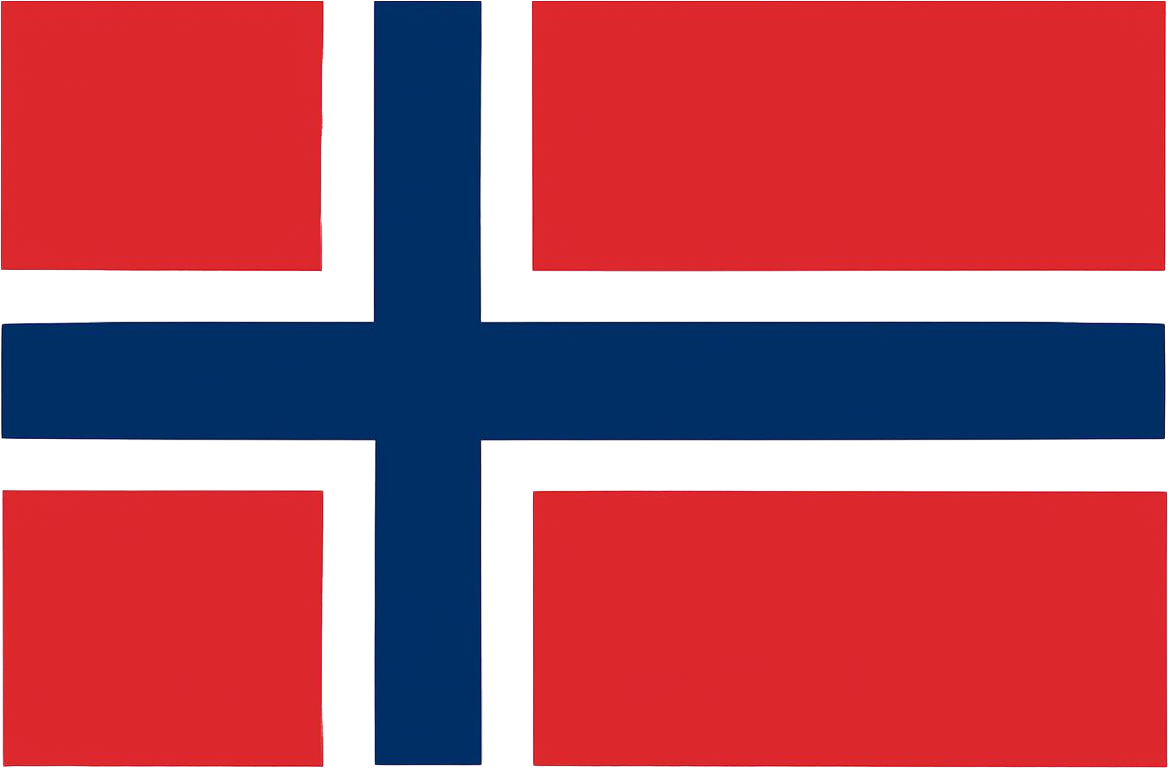
In 1821, the Norwegian Parliament (Storting) approved a new national flag designed by Fredrik Meltzer, a Bergen merchant and politician. His design combined:
- Red, white, and blue, inspired by the French and American flags, symbols of liberty
- A Nordic cross, linking Norway to its Scandinavian heritage
This flag became a powerful emblem of national pride, even though Norway still lacked full independence.
Why 17th July Is Norway’s Flag Day
Although the flag was adopted in 1821, Norway did not gain full freedom to use it internationally until 17th July 1899. On this date, the Swedish government finally agreed to allow Norway to fly its own flag on merchant ships without the Swedish‑Norwegian union mark.
This was a major step toward full independence, which Norway achieved in 1905.
Flag Day commemorates this victory for national self‑determination.
The Importance of Norway’s Flag Day
1. A Symbol of Independence
Flag Day marks a key milestone in Norway’s journey from centuries of foreign rule to becoming a sovereign nation. It celebrates the right to self‑representation, a right Norwegians fought for politically and culturally.
2. National Unity
The flag is a unifying symbol across Norway’s diverse regions, from the Arctic north to the fjords and cities of the south. Flag Day reinforces a shared identity rooted in democracy, freedom, and resilience.
3. Cultural Pride
The Norwegian flag is deeply woven into national celebrations, especially Constitution Day (17th May). Flag Day complements this by focusing specifically on the flag’s history and meaning.
4. Respect for Tradition
Norway has a strong tradition of official flag‑flying days. On Flag Day, government buildings, institutions, and many private homes proudly display the red‑white‑and‑blue cross.
How Norway Observes Flag Day
Flag Day is not marked by parades or large public events, but it is widely observed through:
- Official flag‑raising on government buildings
- Flags displayed on homes, businesses, and public spaces
- Educational programs in schools and museums about Norwegian history
- Media features on the flag’s origins and symbolism
The day is reflective rather than festive, a moment to appreciate the freedoms Norwegians enjoy today.
The Legacy of Norway’s Flag Day
Over more than a century, Flag Day has become a quiet but meaningful reminder of Norway’s national journey. Its legacy includes:
1. A Strong National Identity
The Norwegian flag is one of the most recognisable in the world, symbolising democracy, equality, and independence.
2. A Connection to History
Flag Day keeps alive the memory of Norway’s struggle for autonomy and the peaceful political efforts that led to independence in 1905.
3. A Culture of Respect for Symbols
Norwegians treat their flag with great dignity, from proper folding traditions to strict rules about when and how it may be flown.
4. Inspiration for Future Generations
Flag Day encourages young Norwegians to learn about their country’s past and appreciate the freedoms they enjoy today.
Conclusion
Norway’s Flag Day is more than a date on the calendar it is a celebration of national pride, historical perseverance, and the enduring power of a symbol that represents freedom. By honouring the flag each 17th July, Norwegians reaffirm their connection to a rich heritage and a democratic future.
Leave a Reply