
National Sewing Machine Day, observed every year on 13th June, honours one of the most transformative inventions in American and global history: the sewing machine. More than a household tool, it reshaped industry, empowered workers, and revolutionised how clothing and textiles are made.
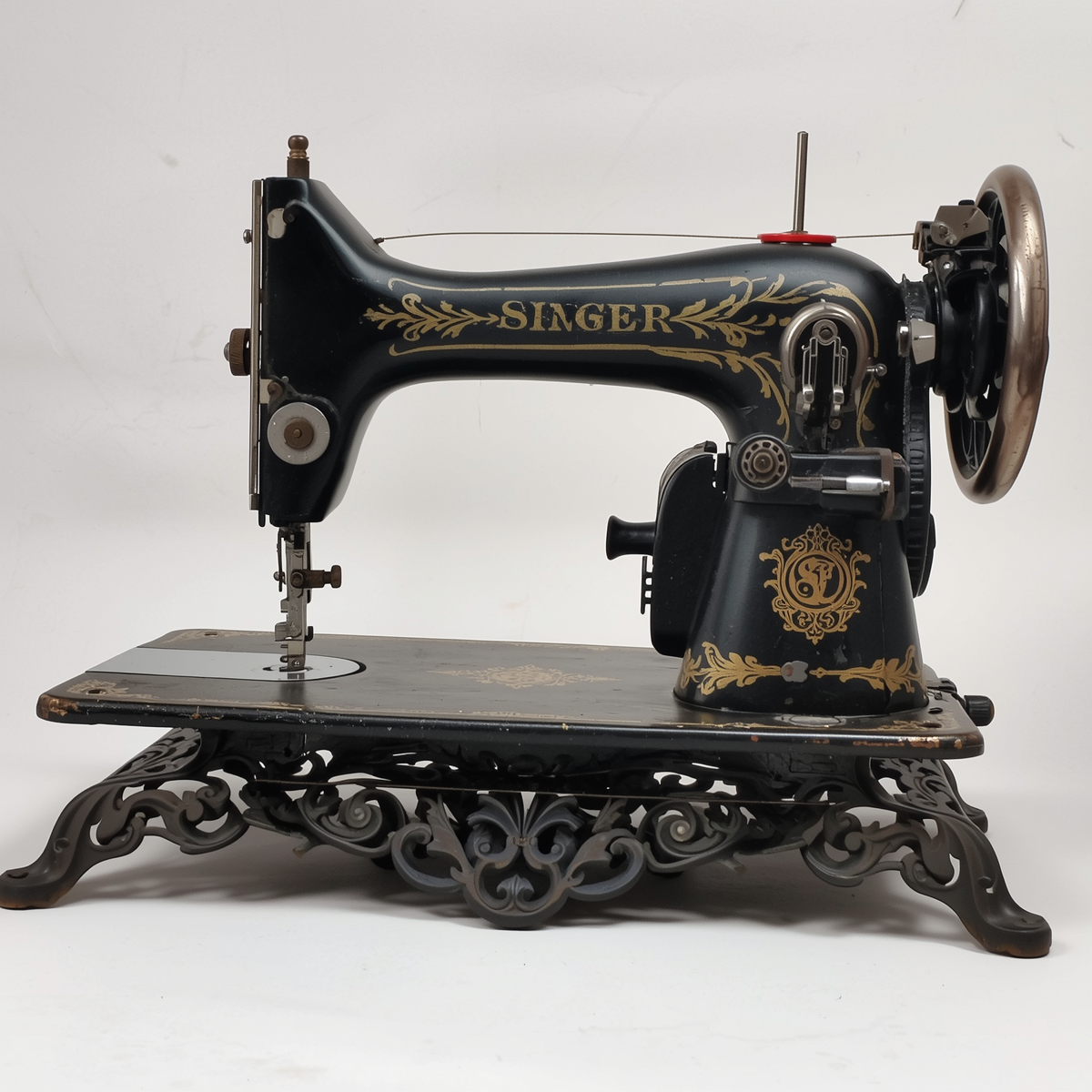
The Origins of Sewing Machine Day
The date commemorates the patent granted to William Newton Wilson, who in 1874 found and completed an early sewing machine design by Elias Howe, one of the key pioneers of the technology.
/
The sewing machine’s development involved several inventors, including:
- Elias Howe — credited with the first practical lockstitch machine
- Isaac Singer — whose innovations made sewing machines commercially successful
- Walter Hunt — an early inventor whose designs influenced later models
Their combined contributions helped launch a new era of manufacturing.
How the Sewing Machine Changed America
The sewing machine is one of the most important inventions of the Industrial Revolution. Its impact was immediate and far‑reaching:
- Mass production — factories could produce clothing faster and more affordably
- Women’s employment — sewing machines opened new job opportunities
- Home sewing culture — families could repair and create garments themselves
- Fashion innovation — designers could experiment more freely
By the late 19th century, sewing machines were as essential to American households as stoves or lamps.
How People Celebrate National Sewing Machine Day
Across the United States, the day is marked by creativity, craftsmanship, and appreciation for textile arts. Common ways people celebrate include:
- Sewing workshops and community classes
- Quilting groups showcasing handmade projects
- Machine maintenance and tune‑ups
- Craft fairs featuring handmade clothing and décor
- Sharing sewing projects on social media
It’s also a day when many rediscover the joy of making something with their own hands.
Why the Sewing Machine Still Matters Today
Even in a world of automation and fast fashion, the sewing machine remains a symbol of:
- Creativity — enabling people to design and personalise their own clothing
- Sustainability — repairing garments reduces waste
- Skill and craftsmanship — sewing is both an art and a practical life skill
- Entrepreneurship — countless small businesses rely on sewing machines
From fashion designers to hobbyists, millions still depend on this timeless tool.
A Stitch Through Time
National Sewing Machine Day reminds us that innovation doesn’t always come from massive machines or digital technology. Sometimes, it comes from a needle, a thread, and a brilliant idea. The sewing machine stitched together industries, communities, and generations, and continues to inspire makers today.
Leave a Reply