
6National American Bear Day, observed annually in the United States on 14th November, is a day dedicated to celebrating and raising awareness of the bears native to North America. The observance highlights the ecological importance, cultural significance, and conservation needs of these remarkable animals. Bears have long occupied a prominent place in the natural landscapes, folklore, and traditions of the United States, symbolising strength, resilience, independence, and the untamed spirit of the wilderness. National American Bear Day encourages appreciation for these iconic mammals while promoting efforts to protect their habitats and ensure their survival for future generations.
The United States is home to several species and subspecies of bears, the most widespread being the American black bear (Ursus americanus). Found across much of North America, the black bear is highly adaptable and inhabits forests, mountains, swamps, and even areas near human settlements. Despite its name, the species can vary considerably in colour, ranging from black to brown, cinnamon, and even white in some rare populations. The American black bear is known for its intelligence, climbing ability, and opportunistic feeding habits, consuming a varied diet of plants, fruits, insects, fish, and small animals.
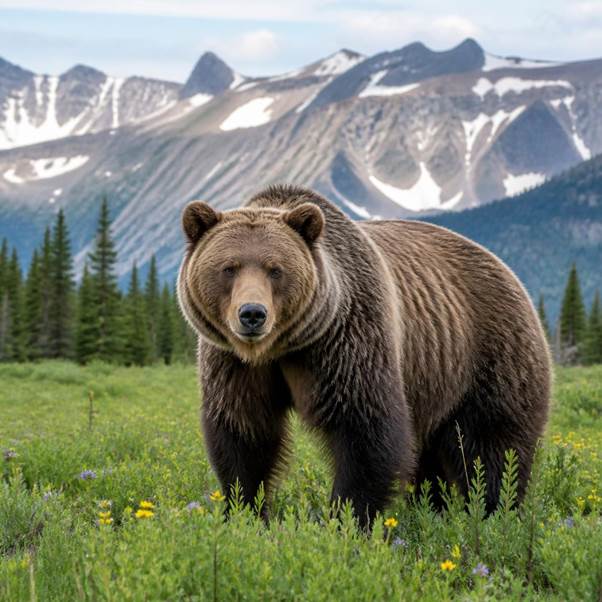
Another significant bear species found in North America is the grizzly bear, a subspecies of the brown bear. Historically, grizzlies ranged across much of the western United States, but their numbers and distribution were greatly reduced during the nineteenth and early twentieth centuries. Today, populations are concentrated primarily in Alaska, parts of Montana, Wyoming, Idaho, and Washington. Grizzly bears are among the most powerful terrestrial predators in North America and are recognised by their distinctive shoulder hump and formidable strength. They play an essential role in maintaining healthy ecosystems through their influence on plant and animal populations.
Bears occupy an important ecological niche as keystone species. Through their feeding habits, they help disperse seeds, recycle nutrients, and regulate prey populations. For example, bears that consume berries transport seeds across large distances, contributing to forest regeneration. Bears feeding on fish such as salmon carry marine-derived nutrients into terrestrial ecosystems, enriching soils and supporting plant growth. Their presence often indicates a healthy and functioning environment, making them valuable indicators of ecological well-being.
The cultural significance of bears extends far beyond biology. Indigenous peoples throughout North America have traditionally regarded bears with deep respect and admiration. In many Native American traditions, bears are associated with courage, healing, wisdom, and spiritual power. Stories, ceremonies, and artistic representations frequently feature bears as important figures within cultural and religious traditions. These enduring connections reflect the long history of coexistence between humans and bears across the continent.
In American history and popular culture, bears have become enduring symbols of wilderness and national identity. The image of the bear appears in state emblems, conservation campaigns, corporate logos, and countless works of literature and art. Bears have also inspired famous fictional characters, helping to foster public affection for wildlife. This cultural visibility has contributed significantly to conservation efforts by encouraging public interest in protecting wild bear populations and their habitats.
National American Bear Day serves as an opportunity to educate the public about the challenges facing bear populations. Habitat loss, urban expansion, climate change, poaching, and human-wildlife conflicts continue to threaten many bear populations. As human development extends into traditional bear habitats, encounters between people and bears have become increasingly common. Wildlife agencies and conservation organisations work to promote coexistence through education, proper waste management, habitat protection, and scientific research. The observance highlights these efforts and encourages responsible stewardship of natural resources.
Conservation success stories also form an important part of the day’s message. Through protective legislation, habitat preservation, and wildlife management programmes, some bear populations have recovered from historic declines. National parks and protected wilderness areas have played a particularly important role in safeguarding habitats where bears can thrive. These achievements demonstrate that coordinated conservation efforts can produce positive outcomes when governments, scientists, communities, and environmental organisations work together.
Many nature centres, zoos, wildlife organisations, and educational institutions mark National American Bear Day through public events and awareness campaigns. Activities may include educational workshops, wildlife presentations, guided nature walks, conservation fundraising initiatives, and programmes designed to teach children about bear biology and habitat protection. Such events help foster a deeper appreciation of wildlife and encourage greater public involvement in conservation efforts.
The observance also promotes broader discussions about biodiversity and environmental responsibility. Bears require extensive habitats and healthy ecosystems to survive. By protecting bears, conservationists often protect numerous other species that share the same environments. Consequently, bear conservation contributes to the preservation of entire ecosystems, benefiting plants, animals, and human communities alike. In conclusion, National American Bear Day is a celebration of one of North America’s most iconic and ecologically important groups of animals. The day recognises the cultural, historical, and environmental significance of bears while drawing attention to the ongoing need for conservation and habitat protection. By encouraging education, appreciation, and responsible coexistence, National American Bear Day helps ensure that these magnificent creatures continue to thrive as enduring symbols of the American wilderness for generations to come.
Leave a Reply