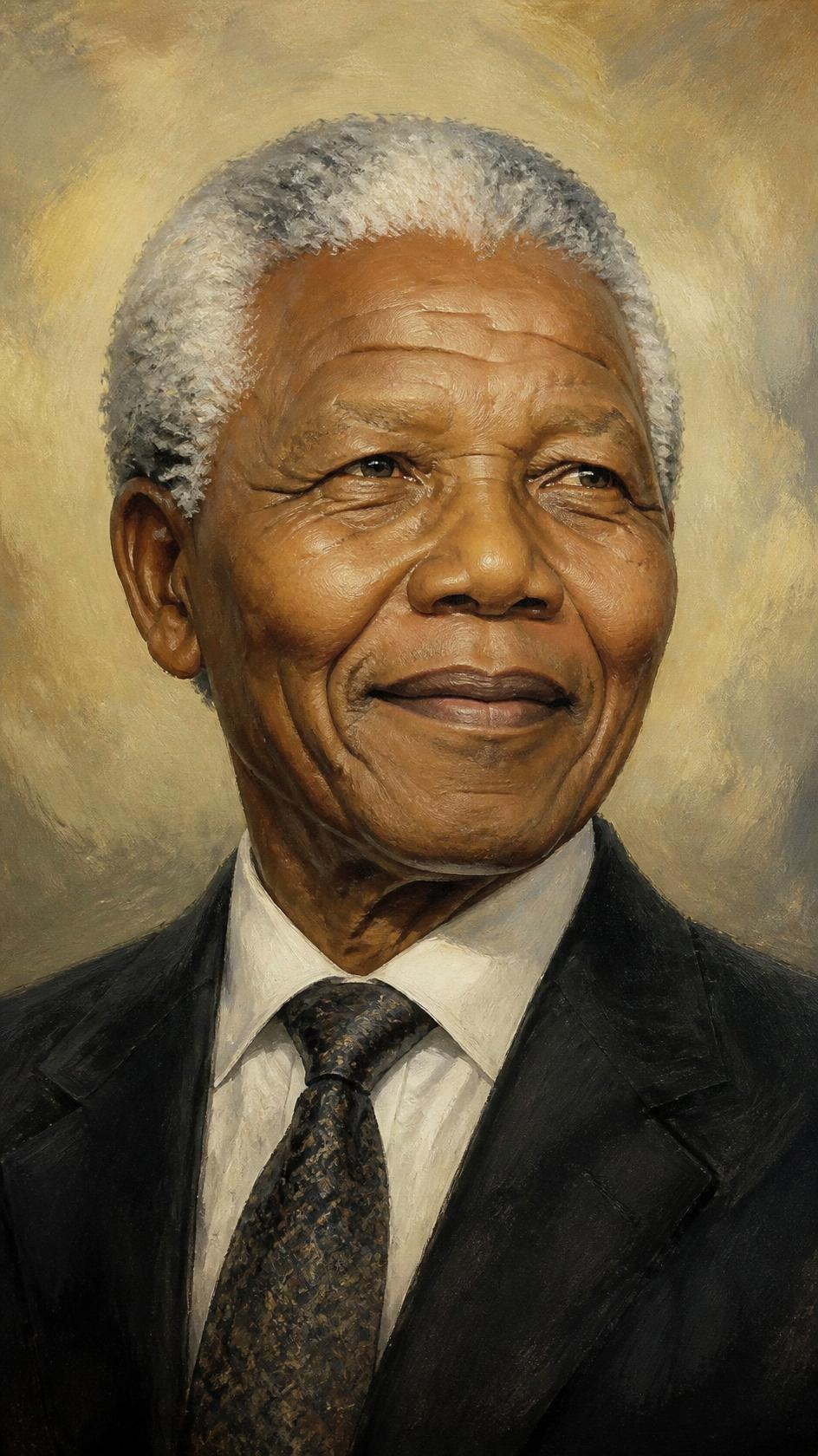
Mandela Day, observed every year on 18th July, is a global celebration of the life, leadership, and moral legacy of Nelson Rolihlahla Mandela, the anti‑apartheid revolutionary, peacemaker, and South Africa’s first democratically elected president. Established by the United Nations in 2009, the day transforms Mandela’s lifelong commitment to justice into a worldwide call for service, compassion, and community action.
Meaning of Mandela Day
Mandela Day is not a public holiday; it is a day of action. Its guiding principle is simple:
Everyone has the ability to make the world better. Everyone can serve.
The signature tradition is the 67 Minutes of Service, symbolising Mandela’s 67 years spent fighting for equality, human rights, and social justice. People across the world dedicate at least 67 minutes to helping others, through volunteering, charity work, or small acts of kindness.
Mandela’s Legacy
Mandela’s legacy is vast, but several themes define his global impact:
- Anti‑apartheid resistance — decades spent challenging racial oppression.
- 27 years of imprisonment — transforming him into a symbol of moral courage.
- Peaceful leadership — guiding South Africa’s transition to democracy.
- Advocacy for education — famously stating that “education is the most powerful weapon you can use to change the world.”
- Commitment to reconciliation — proving that forgiveness can reshape nations.
Mandela’s life continues to inspire movements for justice, equality, and dignity worldwide.
History of Mandela Day
- 18 July 1918 — Mandela is born in Mvezo, South Africa.
- 2009 — The UN General Assembly declares 18th July as Nelson Mandela International Day.
- 2010 — First official global celebration.
- Today — Mandela Day is observed in more than 150 countries, with thousands of community projects launched annually.
How People Celebrate Mandela Day
People participate in Mandela Day through meaningful actions such as:
- Volunteering at shelters, food banks, or community centres.
- Cleaning parks, beaches, or neighbourhoods to improve shared spaces.
- Donating clothes, books, or food to those in need.
- Supporting youth programmes focused on leadership and education.
- Learning about Mandela’s life, apartheid history, and ongoing social justice issues.
- Sharing awareness online using #MandelaDay.
These acts, big or small, reflect Mandela’s belief that service is the foundation of freedom.
Global Impact
Mandela Day has inspired:
- International volunteer campaigns
- Educational initiatives on human rights
- Community development projects in underserved areas
- Youth leadership programmes
- Environmental clean‑ups and sustainability drives
The day encourages people to think beyond themselves and contribute to building a more compassionate world.
The Nelson Mandela Prize
Created by the UN in 2014, the Nelson Mandela Prize is awarded every five years to individuals who dedicate their lives to serving humanity. It honours those who embody Mandela’s values of humility, service, and justice.
Conclusion
Mandela Day is a reminder that change begins with ordinary people doing extraordinary acts of kindness. By giving 67 minutes, or more, we honour Mandela’s legacy and help build the just, peaceful world he envisioned.
Leave a Reply