
Iceland’s Flag Day, known locally as Fánadagurinn, is celebrated every year on 17th June, a date deeply woven into the nation’s identity. More than a tribute to the flag itself, the day marks Iceland’s transformation into a fully independent republic and honours the symbols, history, and spirit that define the Icelandic people.
Why 17th June Matters
Flag Day coincides with Iceland’s National Day, commemorating the establishment of the Republic of Iceland on 17th June 1944. The date was chosen in honour of Jón Sigurðsson, the 19th‑century leader of Iceland’s independence movement, who was born on this day.
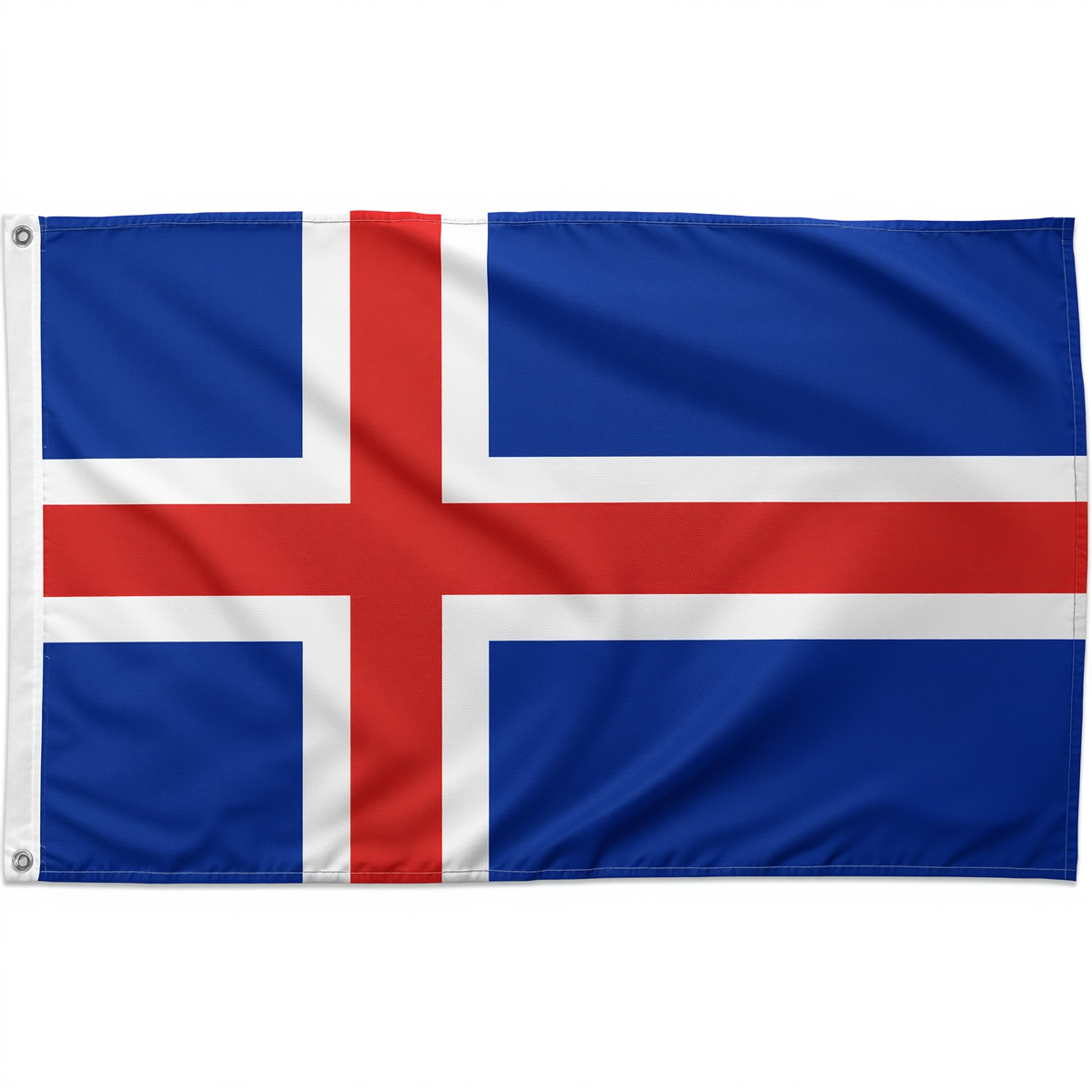
The flag, a blue field with a red cross outlined in white, symbolises:
- Iceland’s natural landscape: blue for the ocean, white for snow and glaciers, red for volcanic fire
- National unity and shared heritage
- Independence and sovereignty
Flag Day is therefore both a patriotic celebration and a reminder of the country’s long journey toward self‑determination.
How Iceland Celebrates Flag Day
Across the country, communities mark the day with a blend of tradition, culture, and joyful public gatherings. Common activities include:
- Parades and processions led by scouts, schools, and civic groups
- Flag‑raising ceremonies at government buildings and town squares
- Speeches honouring independence and national heroes
- Cultural performances featuring music, dance, and poetry
- Family festivals with games, food, and community events
Reykjavík, the capital, hosts some of the largest celebrations, but even the smallest towns proudly display the flag on homes, boats, and public buildings.
The Meaning Behind the Icelandic Flag
The Icelandic flag is more than a national emblem, it is a visual expression of the country’s geography and character.
- Blue — the surrounding Atlantic Ocean
- White — glaciers, snowfields, and the purity of the landscape
- Red — volcanic energy, symbolising resilience and strength
This colour symbolism reflects Iceland’s dramatic natural environment and the endurance of its people.
A Brief History of the Flag
The modern Icelandic flag was officially adopted in 1915 for use at sea and later became the national flag when Iceland gained full independence from Denmark in 1944.
Key milestones:
- 1897 — First proposals for a distinct Icelandic flag
- 1915 — Blue‑white‑red cross design approved for maritime use
- 1918 — Iceland becomes a sovereign state in union with Denmark
- 1944 — Republic declared; flag becomes national symbol
Each step reflects Iceland’s gradual but determined path toward autonomy.
Why Flag Day Still Matters Today
Flag Day is a moment for Icelanders to reflect on:
- National identity
- Cultural heritage
- Democratic values
- The sacrifices of earlier generations
It is also a celebration of unity, a reminder that despite Iceland’s small population and remote location, its people share a strong sense of belonging and pride.
Conclusion
Iceland’s Flag Day is more than a patriotic holiday. It is a celebration of independence, culture, and the enduring spirit of a nation shaped by fire, ice, and the sea. The flag that flies on 17th June is a symbol of resilience, identity, and the collective journey of the Icelandic people.
Leave a Reply