
Introduction
Theatres are more than performance spaces; they are architectural testaments to cultural ambition, political power, and artistic evolution. From the marble amphitheatres of antiquity to the gilded opera houses of Europe and the modernist stages of the 20th century, the world’s great theatres reflect the societies that built them. This article examines several iconic theatres across continents, analysing their architectural origins, the patrons who commissioned them, and the celebrated artists who shaped their legacies.
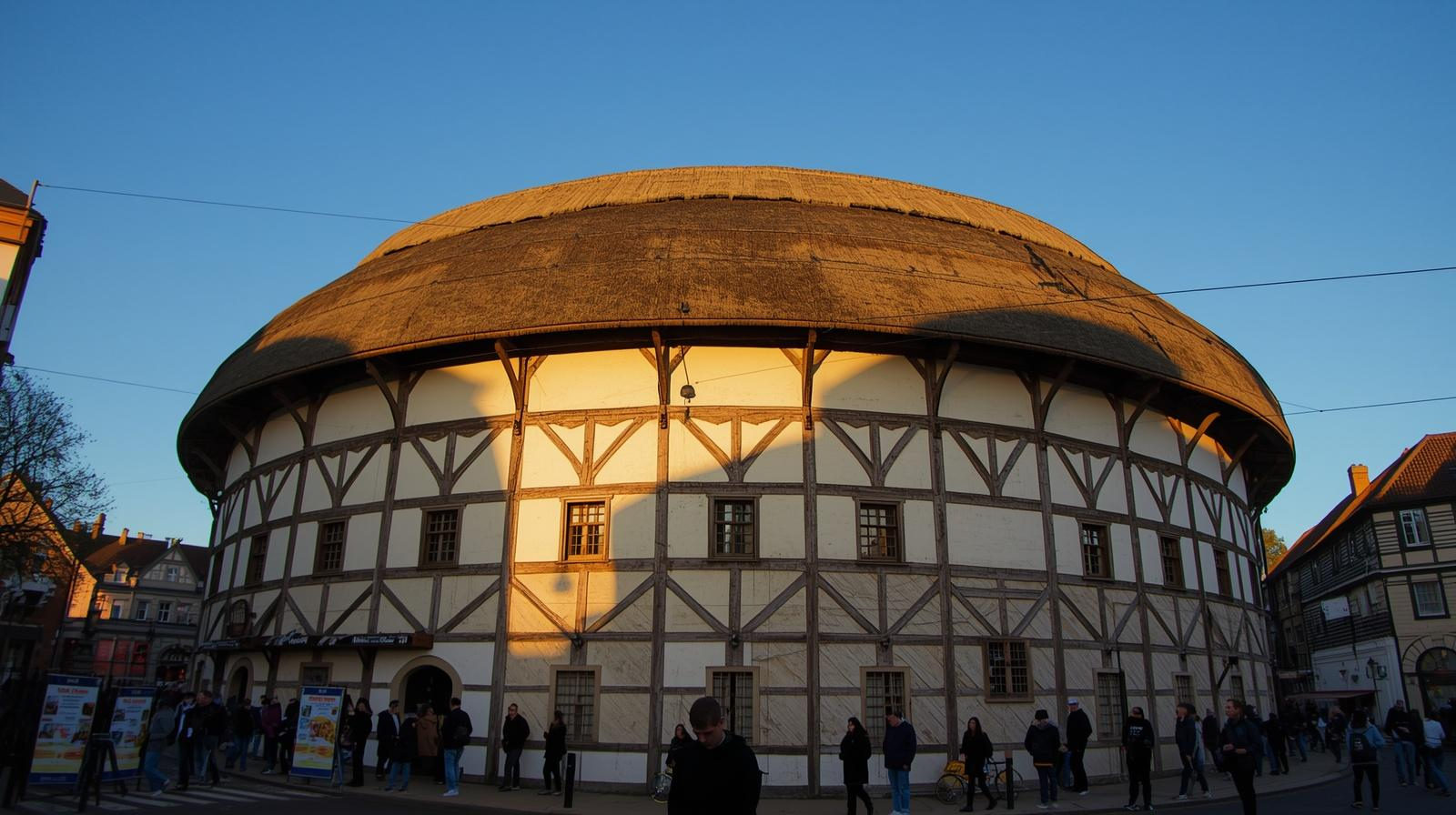
The Globe Theatre (London, England)
Construction and Architects
Built: 1599 (rebuilt 1614 after fire; modern reconstruction 1997)
Architects: The original architect is unknown; the reconstruction was designed by Theo Crosby with research led by Sam Wanamaker.
Commissioned by: The Lord Chamberlain’s Men, Shakespeare’s acting company.
The original Globe was constructed using timber from an earlier theatre dismantled and transported across the Thames. Its circular, open‑air design became emblematic of Elizabethan drama.
Famous Performers
William Shakespeare (as actor and playwright)
Richard Burbage, the era’s leading tragedian
Will Kempe, famed comic actor
The Globe remains synonymous with Shakespearean performance and the birth of modern English drama.
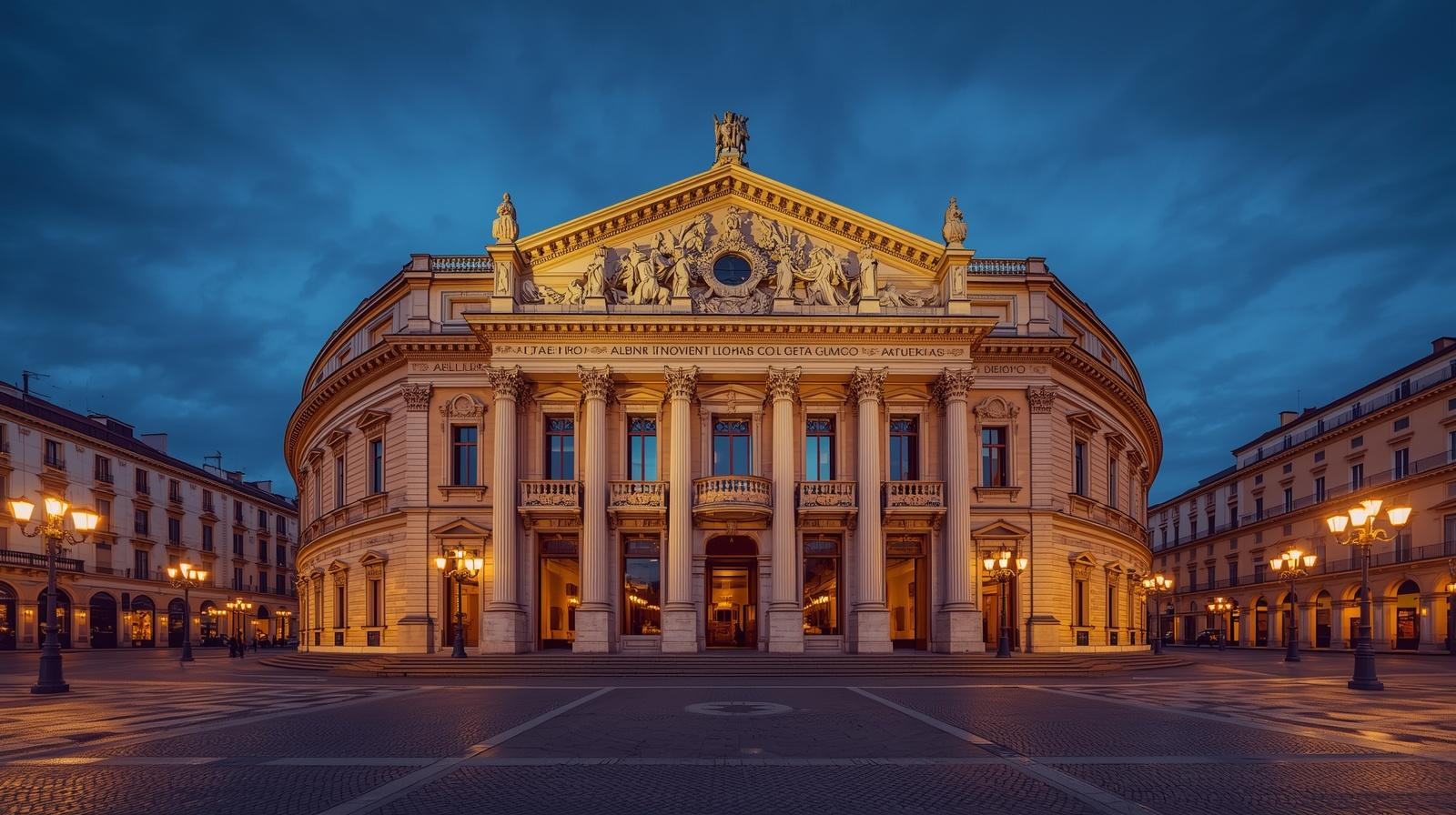
Teatro alla Scala (Milan, Italy)
Construction and Architects
Built: 1776–1778
Architect: Giuseppe Piermarini, a leading Neoclassical architect
Commissioned by: Empress Maria Theresa of Austria, following the destruction of Milan’s previous opera house by fire.
La Scala’s horseshoe‑shaped auditorium and exceptional acoustics set the standard for European opera houses.
Famous Performers
Maria Callas, whose La Scala performances defined 20th‑century opera
Luciano Pavarotti, who debuted here in 1965
Arturo Toscanini, legendary conductor and music director
La Scala became the crucible for Italian opera, premiering works by Verdi, Puccini, and Rossini.
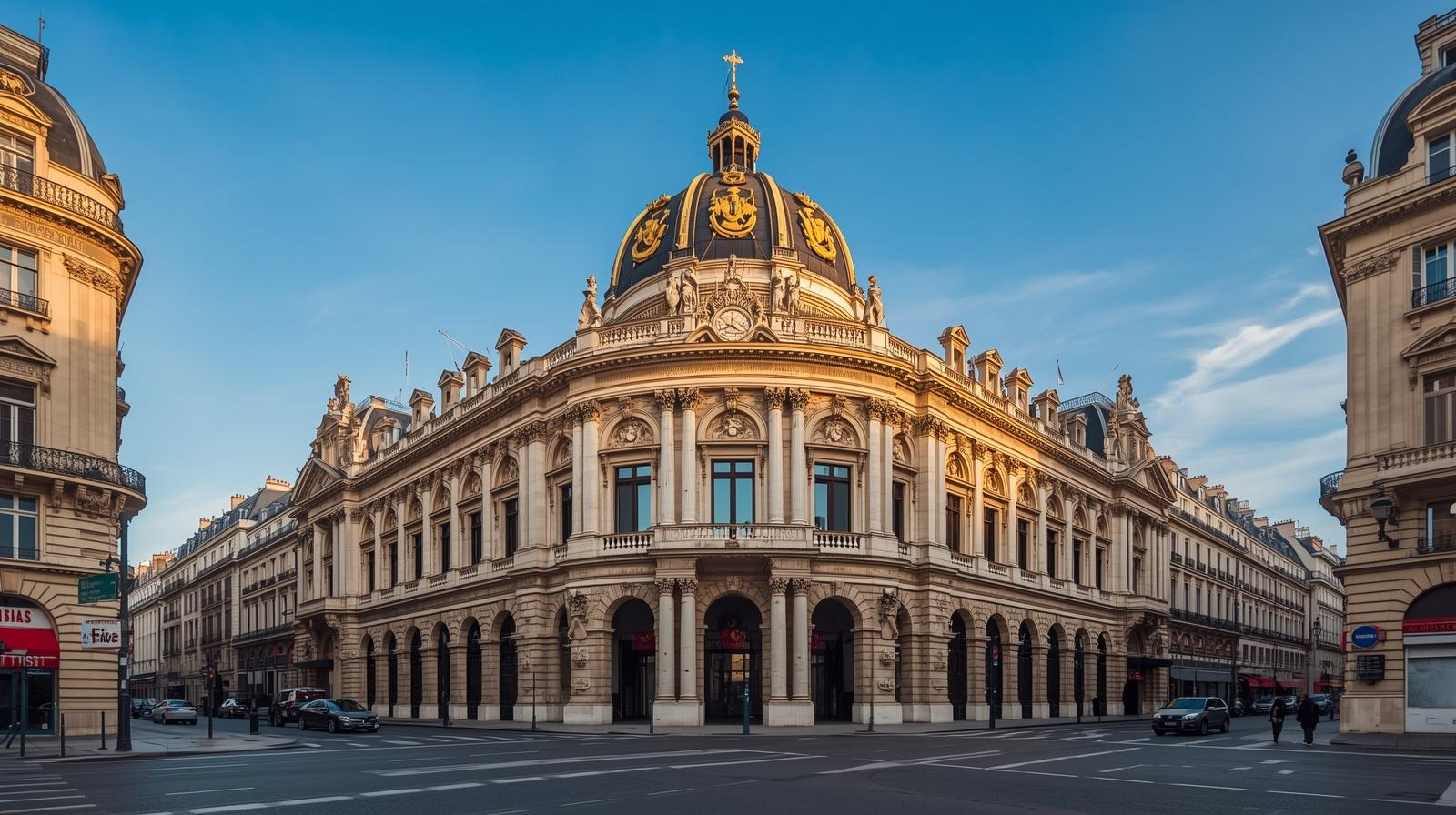
Palais Garnier (Paris, France)
Construction and Architects
Built: 1861–1875
Architect: Charles Garnier, selected through a national competition
Commissioned by: Emperor Napoleon III as part of Baron Haussmann’s transformation of Paris.
A masterpiece of Second Empire architecture, the Palais Garnier is famed for its opulent façade, grand staircase, and Marc Chagall’s later ceiling painting.
Famous Performers
Sarah Bernhardt, the “Divine Sarah,” performed here early in her career
Rudolf Nureyev, dancer and choreographer
Anna Pavlova, one of ballet’s most iconic figures
The theatre remains a symbol of French cultural prestige and the birthplace of many balletic traditions.
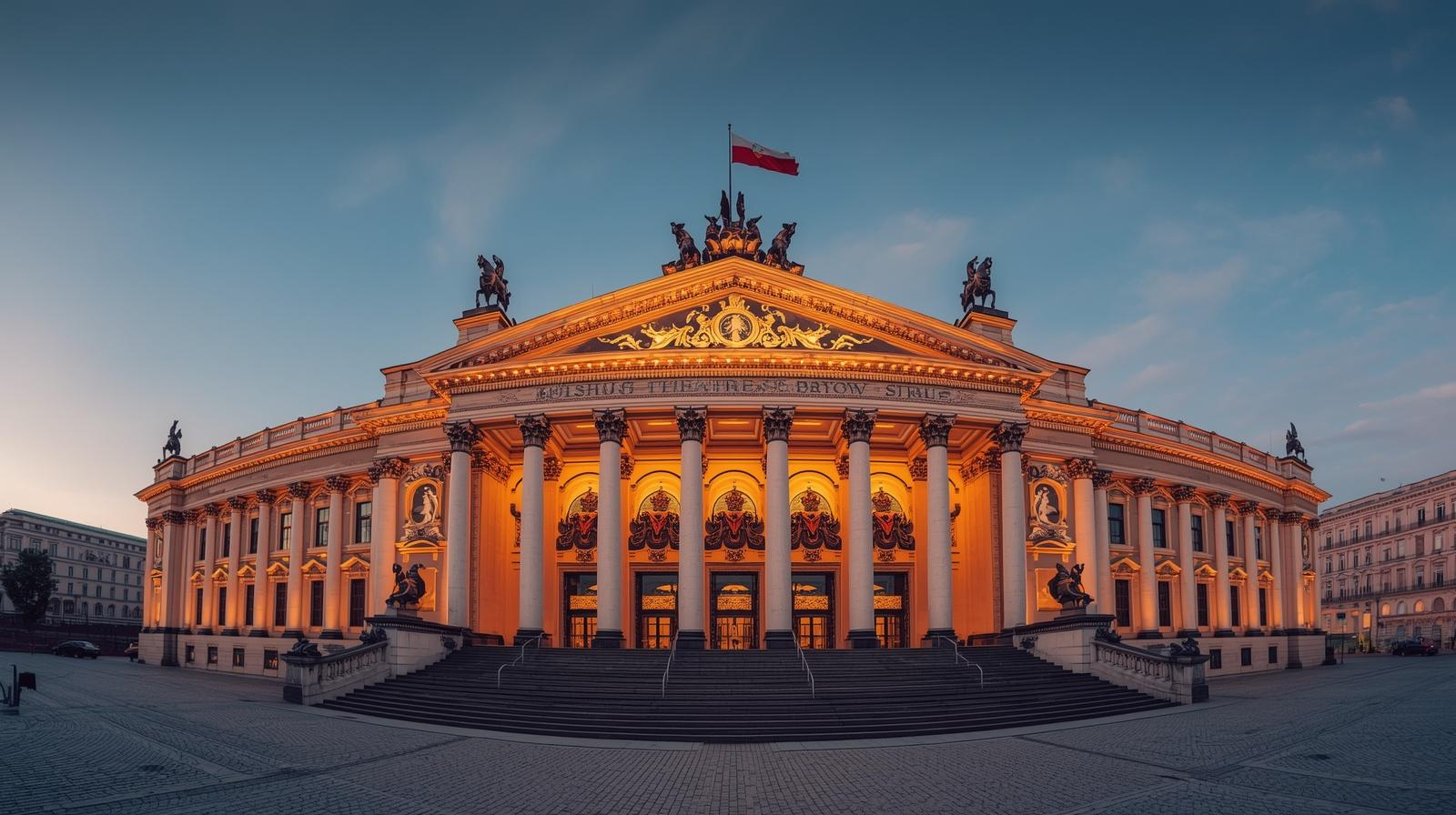
The Bolshoi Theatre (Moscow, Russia)
Construction and Architects
Built: 1821–1825 (major renovations in 1856 and 2011)
Architect: Joseph Bové (original); later redesigned by Albert Kavos
Commissioned by: Prince Pyotr Urusov and entrepreneur Michael Maddox.
The Bolshoi’s neoclassical façade and vast stage made it a centrepiece of Russian imperial culture.
Famous Performers
Galina Ulanova, considered one of the greatest ballerinas of the 20th century
Maya Plisetskaya, legendary prima ballerina assoluta
Feodor Chaliapin, world‑renowned bass
The Bolshoi became synonymous with Russian ballet and opera, shaping global performing arts.
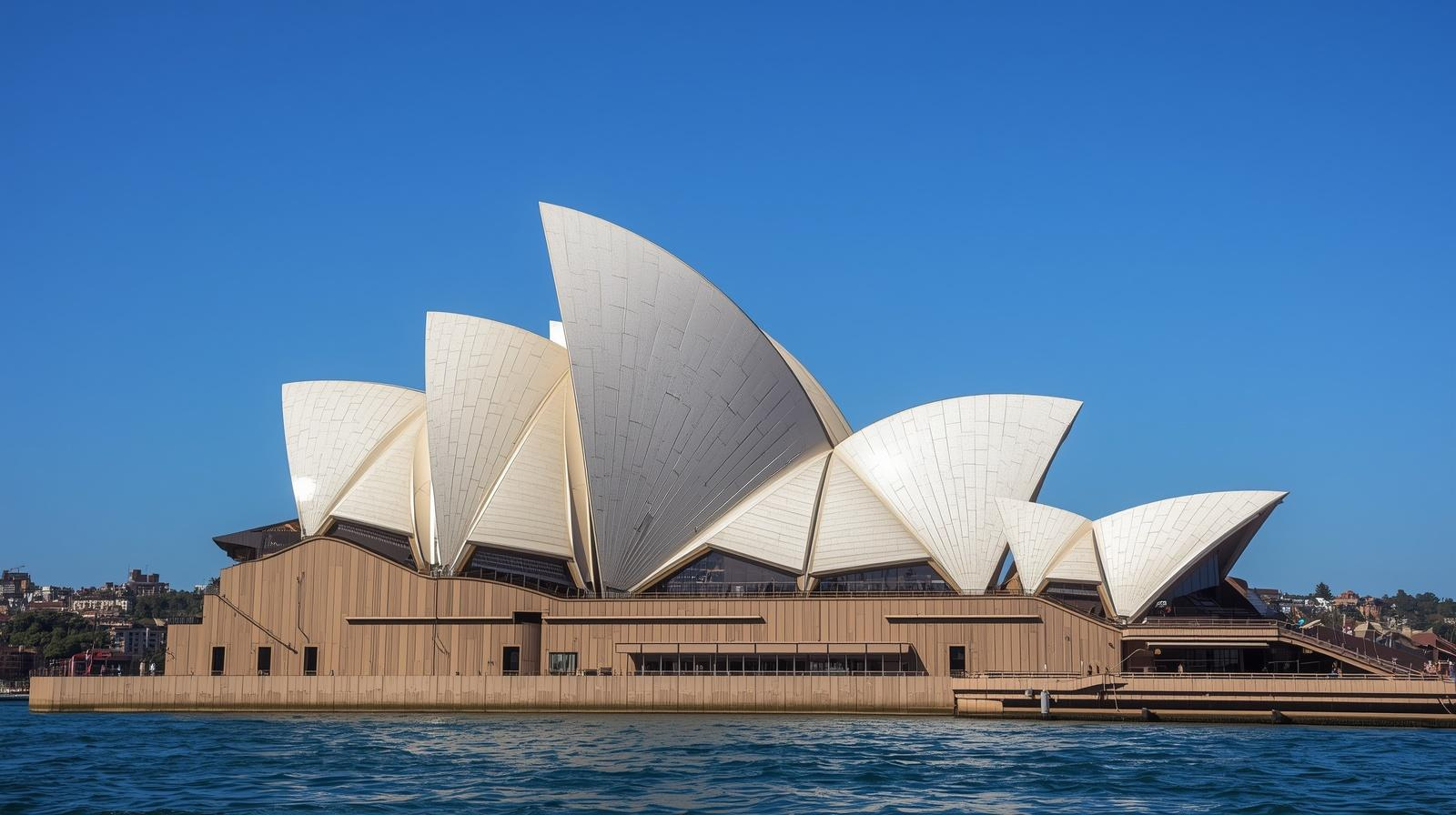
Sydney Opera House (Sydney, Australia)
Construction and Architects
Built: 1959–1973
Architect: Jørn Utzon, Danish modernist
Commissioned by: The New South Wales government, funded partly through a public lottery.
Its iconic shell‑like roof structure revolutionised modern architecture and earned UNESCO World Heritage status.
Famous Performers
Joan Sutherland, Australia’s greatest soprano
Dame Kiri Te Kanawa, celebrated New Zealand soprano
Sydney Symphony Orchestra, resident ensemble
The Opera House is a global symbol of artistic innovation and national identity.
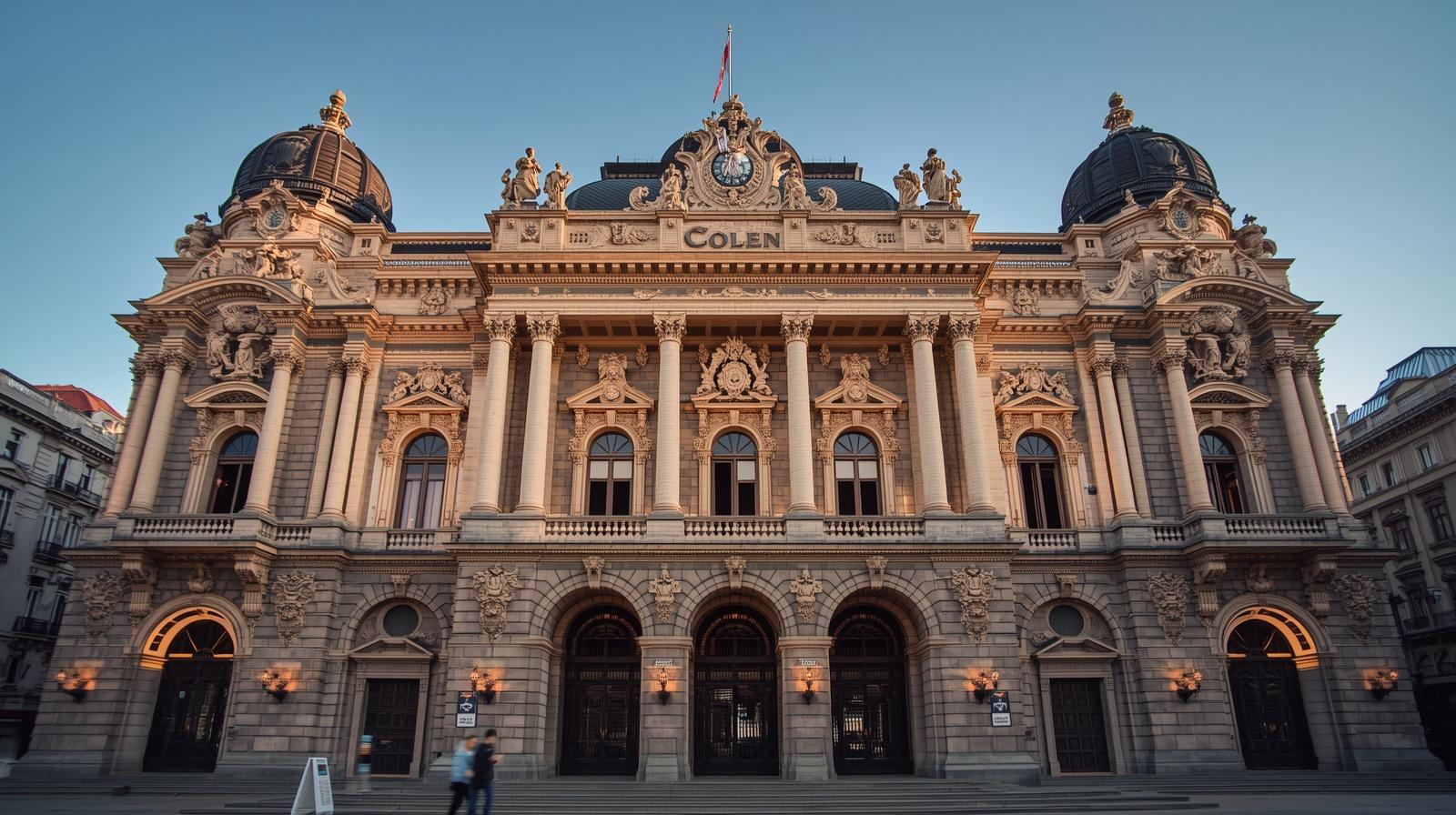
Teatro Colón (Buenos Aires, Argentina)
Construction and Architects
Built: 1889–1908
Architects: Francesco Tamburini, Vittorio Meano, and Jules Dormal (completed after the deaths of the first two)
Commissioned by: The Buenos Aires municipal government during Argentina’s “Golden Age.”
Teatro Colón is renowned for its near‑perfect acoustics and eclectic architectural style blending Italianate and French influences.
Famous Performers
Enrico Caruso, legendary tenor
Plácido Domingo, Spanish tenor
Mikhail Baryshnikov, ballet icon
It remains one of the world’s premier opera houses.
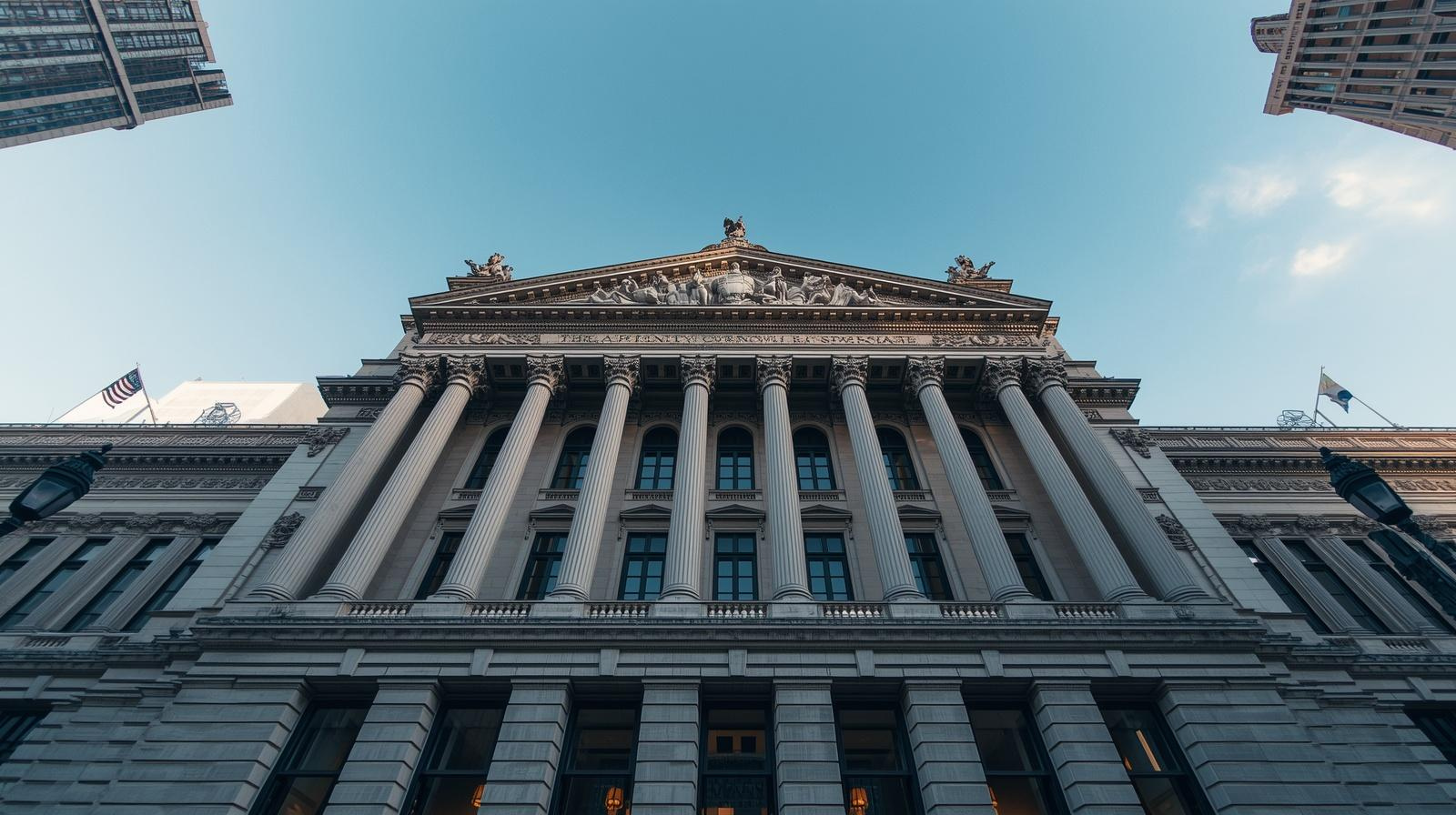
The Metropolitan Opera House (New York, USA)
Construction and Architects
Built: 1963–1966 (current building at Lincoln Center)
Architect: Wallace K. Harrison
Commissioned by: The Metropolitan Opera Association, supported by major philanthropic donors.
The Met’s modernist design and massive stage machinery reflect America’s mid‑century cultural ambitions.
Famous Performers
Leontyne Price, whose 1966 opening night performance became historic
Renée Fleming, celebrated soprano
James Levine, long‑time music director
The Met is a global centre for opera innovation and high‑profile premieres.
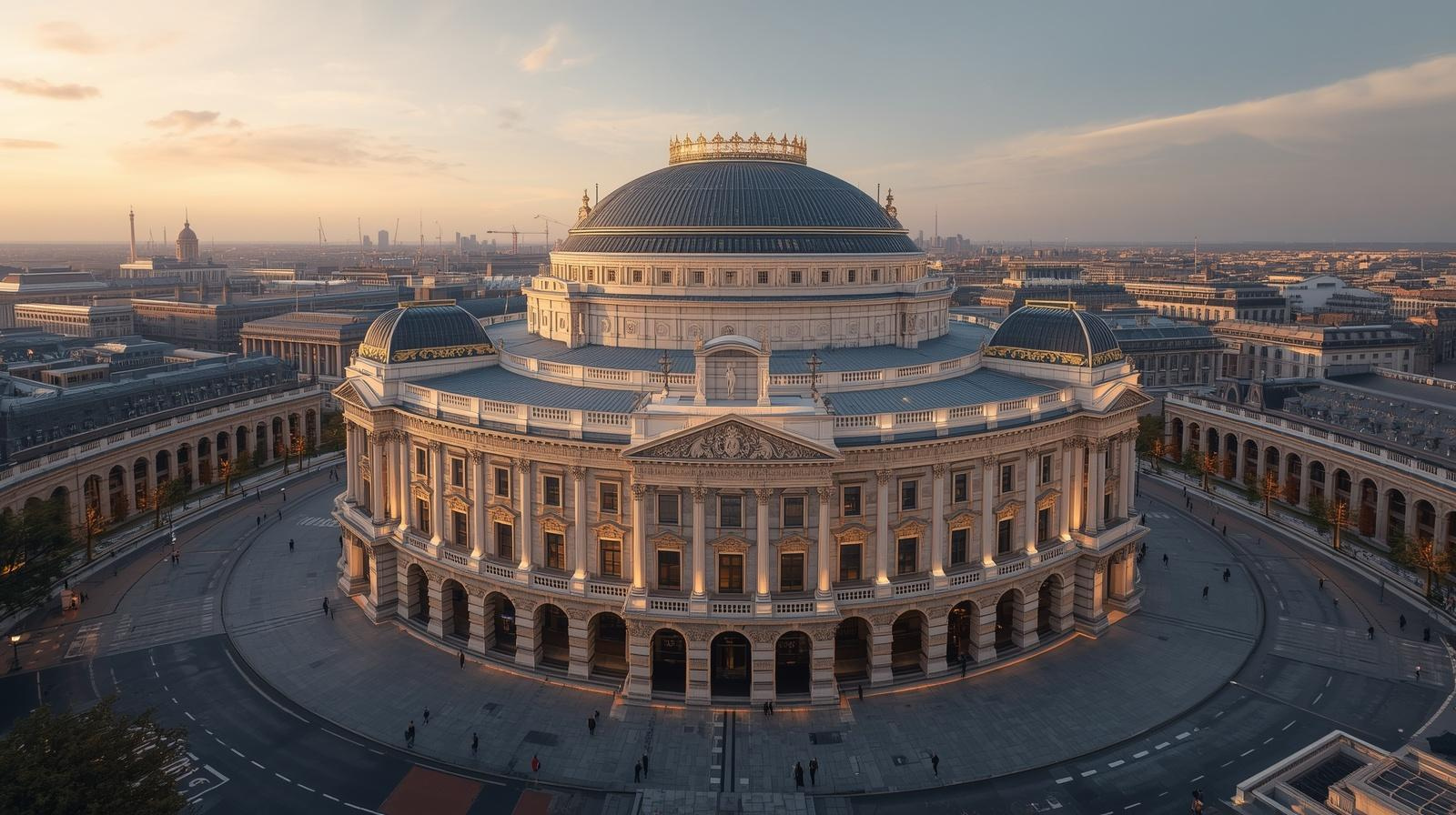
The Royal Opera House (London, England)
Construction and Architects
Built: 1856–1858 (third theatre on the site)
Architect: Edward Middleton Barry
Commissioned by: Private investors and the Covent Garden Theatre Trust.
The Royal Opera House blends Victorian architecture with modern renovations, serving as home to The Royal Opera and The Royal Ballet.
Famous Performers
Margot Fonteyn, iconic British ballerina
Rudolf Nureyev, whose partnership with Fonteyn became legendary
Jonas Kaufmann, leading contemporary tenor
Covent Garden remains a cornerstone of British performing arts.
Conclusion
The world’s great theatres are monuments to human creativity, political ambition, and cultural identity. Their stages have hosted revolutions in artistic style, the rise of legendary performers, and the evolution of global performance traditions. Whether carved from marble, gilded in gold, or sculpted in concrete and glass, these theatres continue to shape the cultural landscapes of their nations and the imaginations of audiences worldwide.
Leave a Reply