
Global Bicycle Day is celebrated every year on 3rd June, and at its heart is a simple but powerful idea: the bicycle is one of humanity’s most transformative inventions, a tool for mobility, sustainability, health, and freedom.
Global Bicycle Day is more than a date on the calendar, it’s a worldwide reminder of how a humble two‑wheeled machine continues to shape societies, cities, and the planet. Recognised by the United Nations, the day highlights the bicycle’s role in promoting sustainable transport, public health, and social equity.
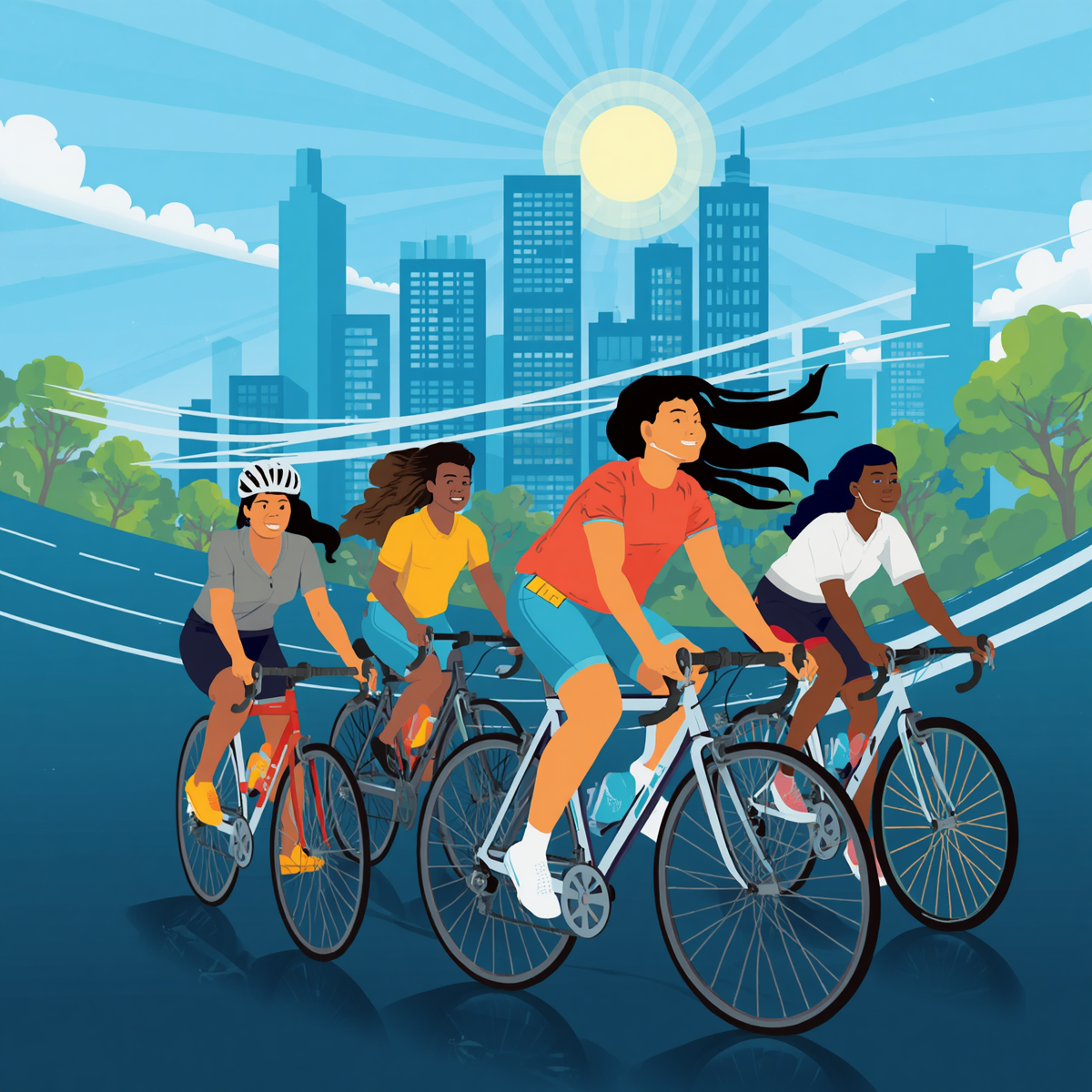
Why the Bicycle Matters Today
The bicycle remains one of the most efficient machines ever created. Its impact spans several key areas:
- Sustainable transport — Bikes produce zero emissions and reduce urban congestion.
- Public health — Regular cycling lowers the risk of heart disease, obesity, and stress.
- Affordable mobility — Bicycles offer low‑cost transportation, especially vital in developing regions.
- Urban planning — Cities that prioritise cycling enjoy cleaner air and more vibrant public spaces.
A Climate-Friendly Solution
Transportation accounts for nearly 20–25% of global CO₂ emissions. Cycling offers a direct, accessible way to cut this footprint. Replacing even short car trips, which make up the majority of urban journeys, with bike rides can dramatically reduce emissions.
Many cities, from Copenhagen to Bogotá, have demonstrated that investing in cycling infrastructure leads to:
- Lower pollution levels
- Reduced traffic congestion
- Improved quality of life
Cycling and Human Well‑Being
Cycling is one of the easiest forms of exercise to integrate into daily life. It strengthens the cardiovascular system, boosts mental health, and encourages outdoor activity.
Studies consistently show that people who cycle regularly experience:
- Lower stress and anxiety
- Improved sleep
- Higher overall life satisfaction
It’s not just transport, it’s therapy on wheels.
A Global Movement
Global Bicycle Day is celebrated through:
- Community rides
- Cycling festivals
- Awareness campaigns
- School and youth programmes
These events highlight the bicycle’s role in creating more connected, inclusive communities.
The Road Ahead
Despite progress, challenges remain:
- Many cities still lack safe cycling lanes
- Road safety awareness varies widely
- Access to bicycles is limited in some regions
But the momentum is growing. Governments, NGOs, and citizens are increasingly recognising that bicycles are essential to building sustainable, resilient cities.
A Symbol of Freedom
Perhaps the most beautiful thing about the bicycle is its symbolism. It represents freedom, independence, and possibility. For millions of people, a bicycle is the difference between isolation and opportunity, a way to reach school, work, healthcare, and community.
Final Thought
Global Bicycle Day is a celebration of human ingenuity and a call to action. Every ride, whether for commuting, fitness, or joy, contributes to a healthier planet and a more connected world.
Leave a Reply