
A Celebration of History, Identity, and National Pride
Why 28th May?
Flag Day honours the moment when Filipino revolutionaries, led by General Emilio Aguinaldo, defeated Spanish forces in Alapan, Imus, Cavite, and raised the Philippine flag for the first time on Philippine soil. This historic event took place on 28th May 1898, symbolizing the birth of a nation fighting for its freedom.
The flag used that day was sewn in Hong Kong by Marcela Agoncillo, her daughter Lorenza, and Delfina Herbosa Natividad, niece of José Rizal. 6
Legal Foundations of Flag Day
Two key government issuances formalised the observance:
- Proclamation No. 374 (1965) — Declared 28th May as National Flag Day.
- Executive Order No. 179 (1994) — Encourages all Filipinos to display the flag from28th May to 12th June.
These measures aim to instill respect, reverence, and national consciousness through the symbolism of the flag.
What the Flag Represents
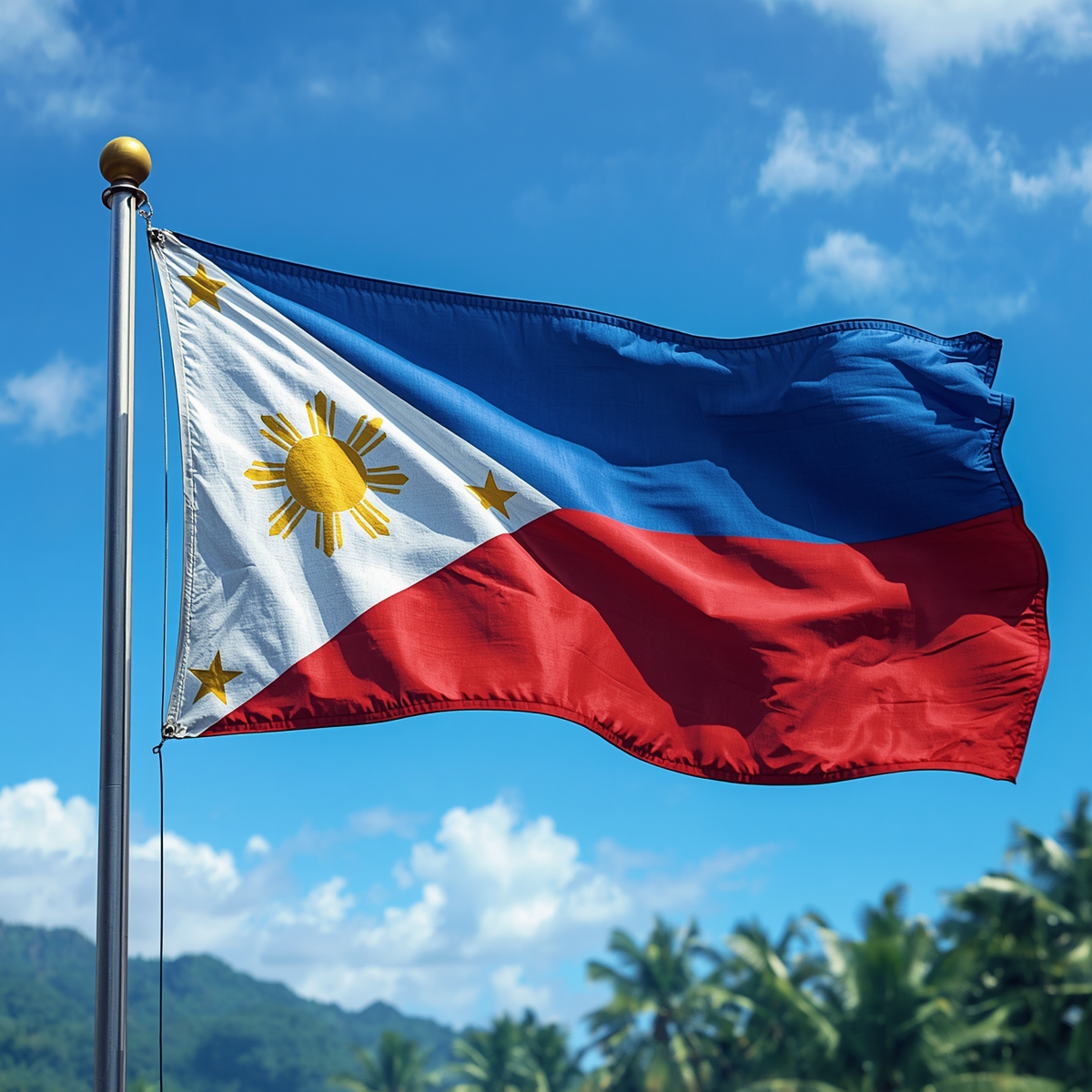
Every element of the Philippine flag carries meaning:
- Blue — Peace, truth, and justice
- Red — Patriotism and valour
- White triangle — Equality and fraternity
- Sun with eight rays — The first eight provinces that revolted against Spain
- Three stars — Luzon, Visayas, and Mindanao
Uniquely, the flag is inverted during wartime, with the red stripe on top.
How Filipinos Celebrate Flag Day
Across the country, Flag Day is marked by:
- Flag-raising ceremonies in schools, government offices, and public spaces
- Historical reenactments and tributes in Cavite, especially in Imus and Kawit
- Flag retirement rituals, where worn-out flags are respectfully disposed of
- Cultural programs highlighting patriotism and national identity
- Homes and buildings displaying the flag throughout the Flag Days period
In recent years, cities like Imus, Cagayan de Oro, and Pasay have held special commemorations, including lighting ceremonies and educational events. f
Why Flag Day Matters Today
Flag Day is more than a historical remembrance, it is a reminder of:
- The sacrifices made for freedom
- The unity of Filipinos across regions and backgrounds
- The continuing responsibility to uphold national ideals
In a time of modern challenges, territorial disputes, misinformation, and social division, the flag remains a symbol of shared identity and resilience. f
.
Leave a Reply