
Estonia’s Flag Day, celebrated every year on 4th June, is a national observance dedicated to the country’s beloved blue‑black‑white flag, a symbol that has carried Estonians through independence, occupation, and renewal. The day reflects national pride, historical memory, and the enduring spirit of a people who fought to reclaim their sovereignty.
The Meaning Behind the Colours
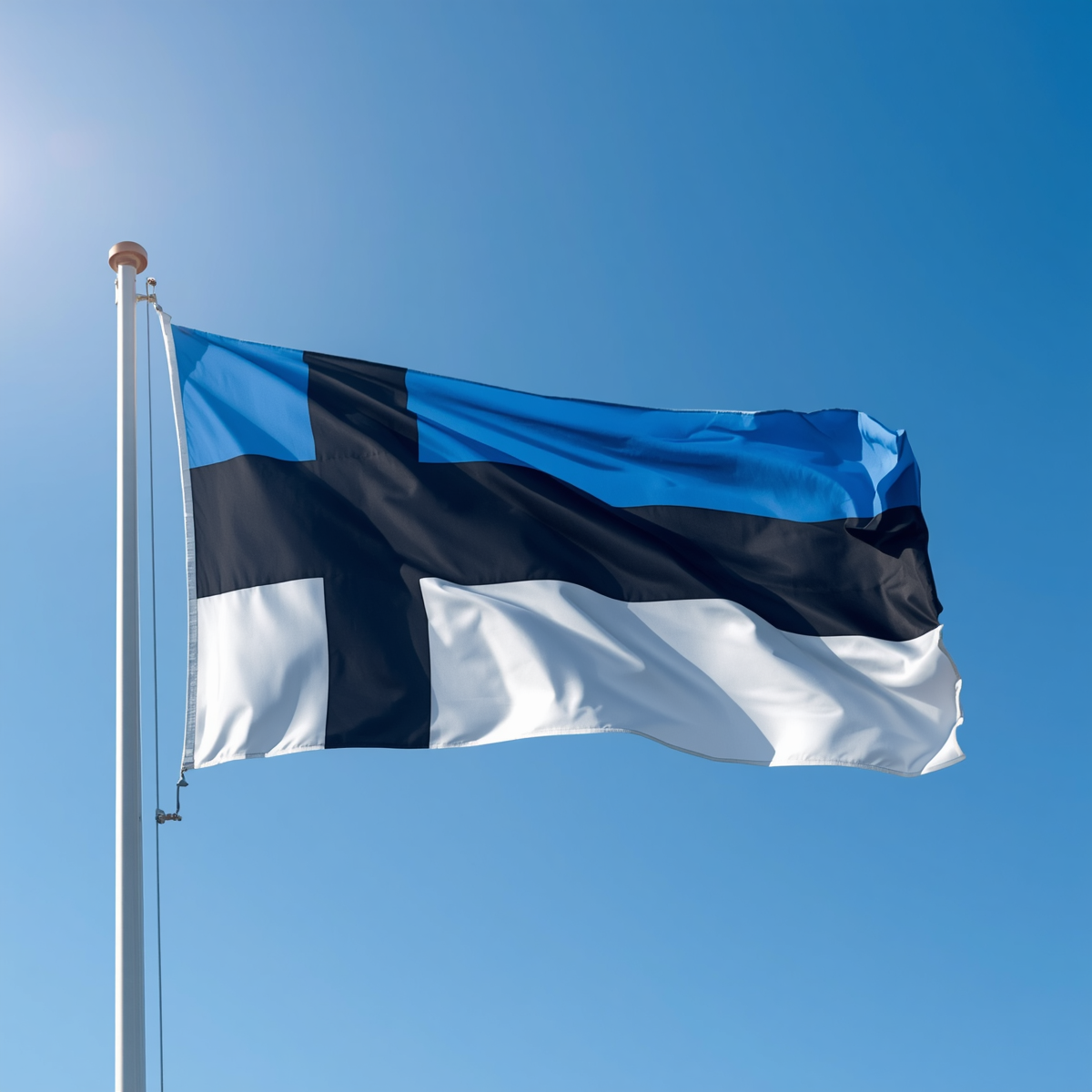
The Estonian flag, first adopted in 1884, is one of the most recognisable tricolours in Europe. Each colour carries deep cultural and emotional significance:
- Blue — the sky, loyalty, and the aspirations of the Estonian people
- Black — the soil of the homeland and the hardships endured
- White — purity, hope, and the pursuit of a brighter future
These colours were originally used by the Estonian Students’ Society and later embraced as a national emblem during the independence movement.
A Brief History of Estonia’s Flag
The flag’s journey mirrors Estonia’s own turbulent history:
- 1884 — First consecrated by the Estonian Students’ Society
- 1918 — Adopted as the national flag when Estonia declared independence
- 1940–1991 — Banned during Soviet occupation, yet secretly preserved by Estonians
- 1991 — Restored as the national flag when Estonia regained independence
The flag became a quiet act of resistance during occupation and a triumphant symbol of freedom after restoration.
To explore this era further: Estonia’s independence history.
How Estonia Celebrates Flag Day
Flag Day is not a public holiday, but it is a nationally recognised day of honour, marked by ceremonies and traditions across the country.
Key observances include:
- Flag‑raising ceremonies at dawn, especially at Tallinn’s Pikk Hermann Tower
- Speeches by national leaders reflecting on unity and independence
- Military participation in honour guards and ceremonial events
- Educational programmes teaching students about national symbols
- Community celebrations featuring music, history, and local traditions
The raising of the flag at Pikk Hermann is the emotional centrepiece of the day, a tradition that symbolises Estonia’s sovereignty and democratic values.
The Flag as a National Identity Marker
For Estonians, the flag is more than a national emblem, it is a reminder of:
- The struggle for independence
- The resilience of culture and language
- The unity of a small but determined nation
- The importance of democratic values
It is flown proudly on homes, public buildings, and cultural institutions throughout the year, but especially on Flag Day.
Estonia’s Flag in the Modern World
Today, Estonia’s flag represents a nation known for:
- Digital innovation
- Strong democratic institutions
- Cultural preservation
- Active participation in European and global affairs
Flag Day reinforces Estonia’s identity as a modern, forward‑looking country rooted in deep historical memory.
To explore Estonia’s global role: Estonia in the EU and NATO.
Final Reflection
Estonia’s Flag Day is a celebration of freedom, unity, and national pride. It honours a symbol that has guided the nation through its darkest moments and brightest triumphs. For Estonians, the blue‑black‑white flag is not just fabric, it is the story of a people who never gave up on their homeland.
Leave a Reply