
Every third Saturday of February, conservationists, wildlife advocates, and concerned citizens around the globe observe World Pangolin Day, a dedicated effort to raise awareness about one of the planet’s most unique, endangered, and trafficked mammals. Despite their ecological importance and remarkable adaptations, pangolins remain largely unknown to the general public, even as they face an extinction crisis driven by illegal wildlife trade.
What Are Pangolins?
Pangolins are extraordinary mammals covered in protective keratin scales, the same protein that forms human fingernails and hair. They are the only mammals in the world with this distinctive armour, which comprises about 20% of their body weight. When threatened, pangolins curl into a tight ball, using their overlapping scales as an impenetrable shield against predators.
These solitary, primarily nocturnal creatures have long, sticky tongues that can extend up to 40 centimetres (16 inches), longer than their entire body in some species. They use these specialised tongues to feast on ants and termites, consuming up to 70 million insects annually. Despite having no teeth, pangolins possess powerful claws for digging into termite mounds and ant nests, and muscular stomachs that grind up their prey.
Pangolins belong to the order Pholidota and the family Manidae. The name “pangolin” derives from the Malay word “pengguling,” meaning “something that rolls up,” perfectly describing their primary defence mechanism.
The Eight Species of Pangolins
Eight species of pangolins exist worldwide, divided between Africa and Asia, each adapted to specific habitats and facing varying levels of threat:
Asian Species

Chinese Pangolin (Manis pentadactyla): Found across southern China, northern India, Nepal, Bhutan, Bangladesh, Myanmar, northern Thailand, Laos, and northern Vietnam, this species is Critically Endangered. Habitat loss and intensive poaching have decimated populations throughout its range.
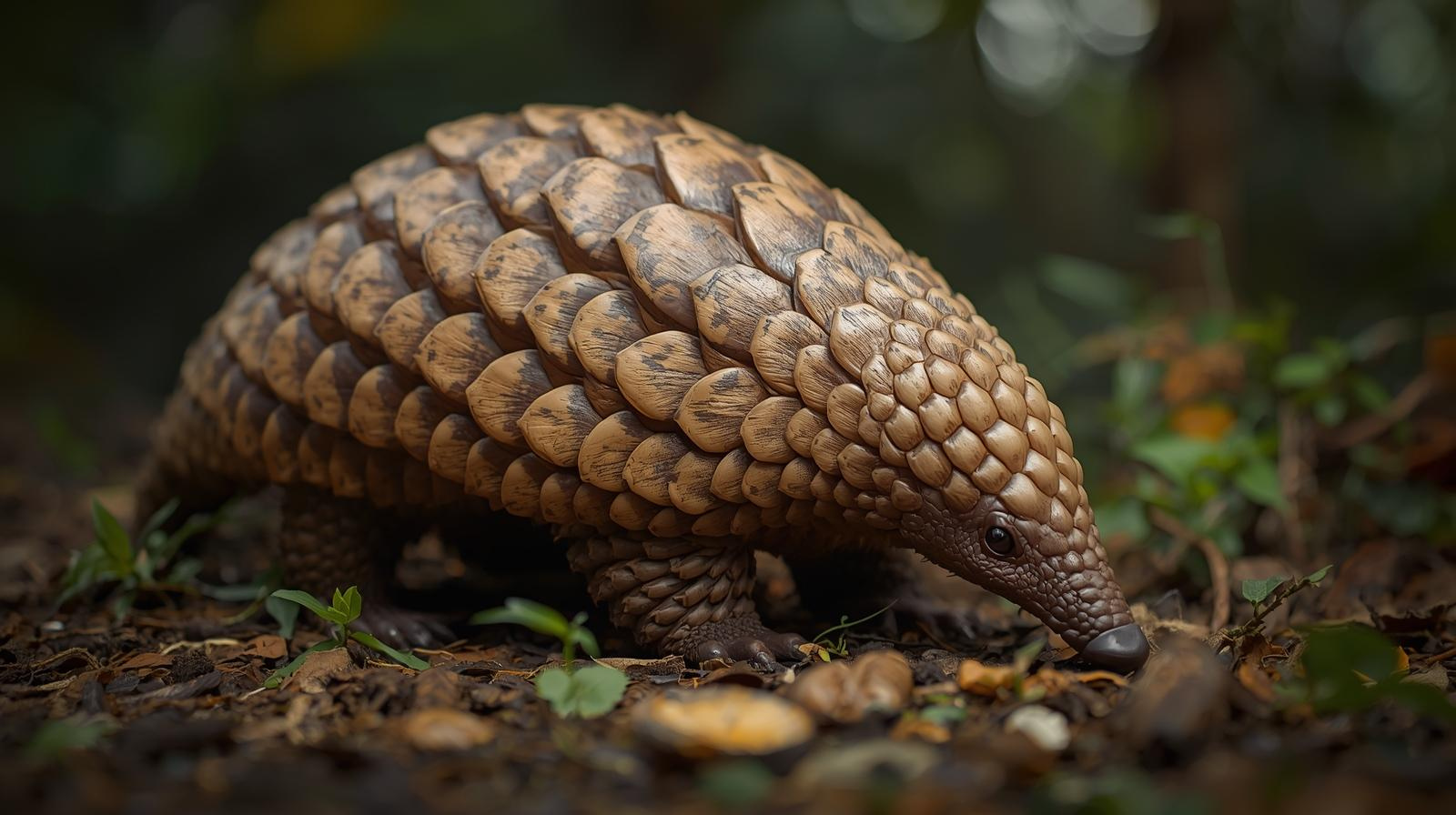
Sunda Pangolin (Manis javanica): Inhabiting Southeast Asia including Indonesia, Malaysia, Singapore, Thailand, Vietnam, Laos, Myanmar, and Cambodia, the Sunda pangolin is also Critically Endangered. It’s the most heavily trafficked Asian species.

Indian Pangolin (Manis crassicaudata): Ranging across the Indian subcontinent, including India, Pakistan, Bangladesh, Nepal, and Sri Lanka, this species is Endangered. It faces threats from both traditional medicine markets and habitat destruction.

Philippine Pangolin (Manis culionensis): Endemic to the Philippines and found only on the Palawan island group, this Endangered species faces intense pressure from illegal hunting and habitat loss in its limited range.
African Species

Giant Ground Pangolin (Smutsia gigantea): The largest pangolin species, found across equatorial Africa from West to East Africa, is Endangered. Adults can weigh up to 33 kilograms (73 pounds) and measure up to 140 centimetres (55 inches) in length.

Ground Pangolin (Smutsia temminckii): Also called Temminck’s pangolin, this species ranges widely across eastern and southern Africa and is Vulnerable. It’s the most common African species but still faces significant threats.
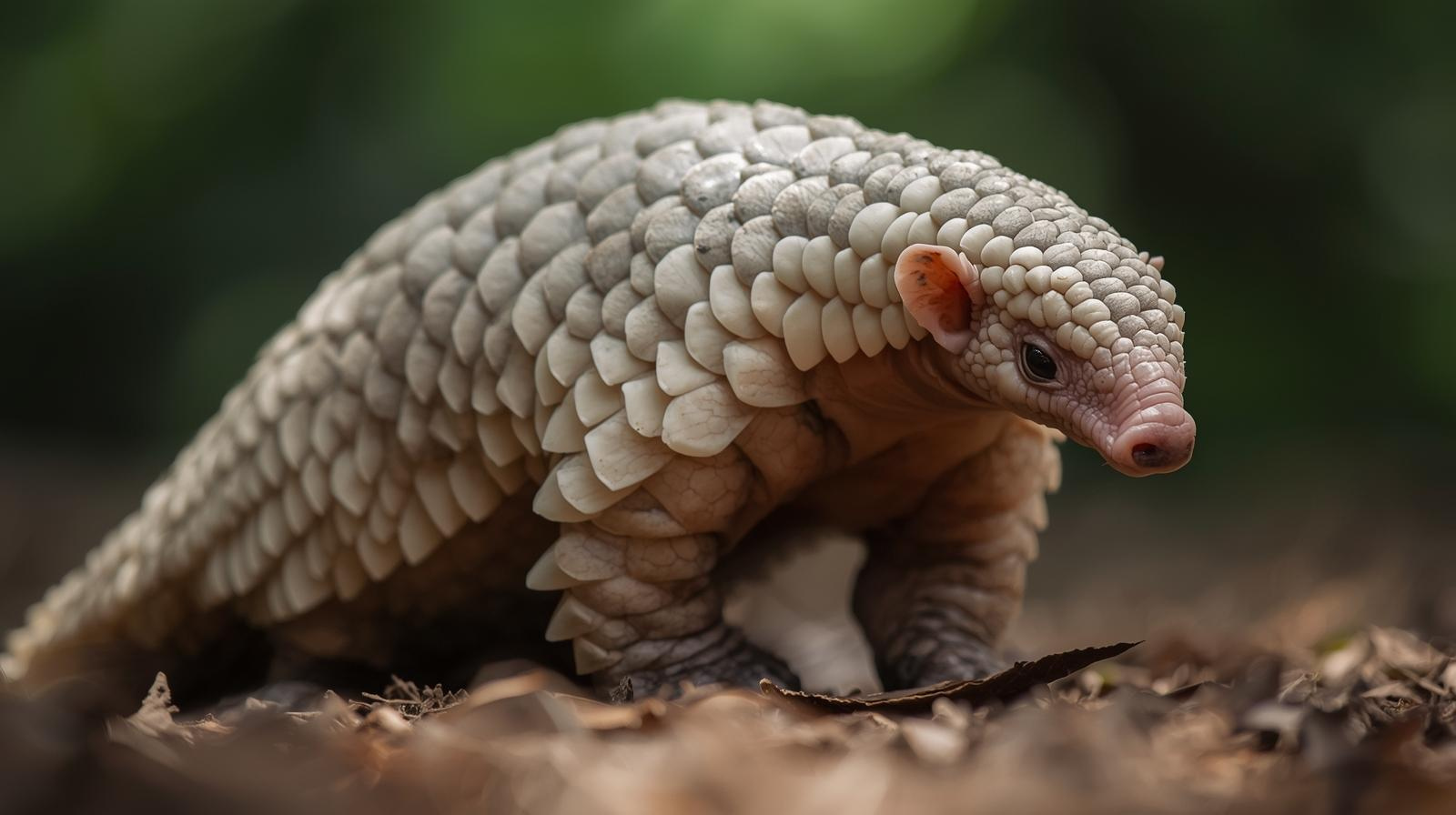
White-bellied Pangolin (Phataginus tricuspis): Found in West and Central African rainforests, this tree-dwelling species is Endangered. Its arboreal lifestyle and prehensile tail distinguish it from ground-dwelling relatives.

Black-bellied Pangolin (Phataginus tetradactyla): Another tree-dwelling species from West and Central Africa, classified as Endangered. It’s the smallest African pangolin species and the least studied.
The Origin and Purpose of World Pangolin Day
World Pangolin Day was established in 2012 by conservation organisations including the African Wildlife Foundation, the Zoological Society of London, and various pangolin specialist groups. The initiative emerged from growing alarm over the accelerating decline of pangolin populations and the urgent need to educate the public about these little-known creatures.
The choice of February was deliberate, falling during the season when pangolins are most active in many regions and creating an annual focal point for conservation messaging. The third Saturday was selected to maximise public participation and media attention.
The primary goals of World Pangolin Day include:
- Raising global awareness about pangolins and their plight
- Educating people about the illegal wildlife trade driving pangolins toward extinction
- Celebrating the uniqueness and ecological importance of these mammals
- Mobilising support for conservation initiatives and policy changes
- Encouraging a reduction in demand for pangolin products
- Supporting rangers, researchers, and organisations working to protect pangolins
The Crisis: Why Pangolins Need Protection
Pangolins hold the unfortunate distinction of being the most trafficked mammals in the world. Conservative estimates suggest that over one million pangolins have been illegally traded in the past decade, though actual numbers likely far exceed this figure due to the clandestine nature of wildlife trafficking.
The Illegal Wildlife Trade
The primary threat to pangolins stems from demand in traditional Chinese medicine, where pangolin scales are incorrectly believed to treat various ailments, including arthritis, cancer, skin diseases, and poor lactation in nursing mothers. Despite having no proven medicinal properties beyond those of any other keratin product, pangolin scales command high prices on black markets.
In addition to scales, pangolin meat is considered a delicacy in some Asian countries, particularly China and Vietnam, where consuming pangolin is associated with status and wealth. A single pangolin can fetch thousands of dollars, creating powerful financial incentives for poachers and traffickers.
The trade operates through sophisticated international networks, with African pangolins increasingly trafficked to Asian markets as Asian species become scarcer. Seizures regularly uncover shipments containing thousands of pangolins or tons of scales, representing countless dead animals.
Habitat Destruction
Beyond poaching, pangolins face significant threats from habitat loss due to deforestation, agricultural expansion, urbanisation, and infrastructure development. As forests disappear and grasslands are converted, pangolins lose both their homes and their food sources.
Some species, particularly those in Southeast Asia, have seen their habitat reduced by over 50% in recent decades. Forest fragmentation also makes pangolin populations more vulnerable to poaching by increasing human-wildlife contact.
Low Reproductive Rates
Pangolins’ biological characteristics make population recovery exceptionally difficult. Females typically give birth to only one offspring per year after a gestation period of 3-4 months. The young remain dependent on their mothers for several months, riding on the mother’s tail as she forages.
This slow reproductive rate means pangolin populations cannot quickly bounce back from intensive hunting pressure. When adults are removed from populations faster than they can reproduce, local extinctions become inevitable.
Challenges in Captivity
Conservation breeding programs face enormous challenges because pangolins rarely survive in captivity. Their highly specialised diet, stress susceptibility, and specific environmental requirements make them extremely difficult to maintain in zoos or breeding facilities. Most captive pangolins die within months, making captive breeding an impractical conservation solution currently.
This reality underscores that pangolin conservation must focus on protecting wild populations and their habitats rather than relying on ex-situ conservation strategies.
Ecological- Importance
Despite their vulnerability, pangolins play crucial ecological roles in their habitats:
Pest Control: By consuming millions of ants and termites annually, pangolins naturally regulate insect populations that might otherwise damage crops and forests. A single pangolin can consume up to 200,000 ants in a single night.
Soil Health: The extensive burrows pangolins dig for shelter and foraging aerate the soil, improving water infiltration and nutrient cycling. Their digging activities can significantly affect soil structure across large areas.
Habitat Creation: Abandoned pangolin burrows provide shelter for numerous other species, including reptiles, small mammals, and invertebrates, contributing to overall biodiversity.
Seed Dispersal: Some pangolin species, particularly arboreal ones, inadvertently aid in seed dispersal as they move through forests, contributing to forest regeneration.
The loss of pangolins from ecosystems could trigger cascading effects, potentially leading to termite population explosions, altered soil dynamics, and reduced habitat availability for other species.
Global Conservation Efforts
The international community has mobilised increasingly strong responses to the pangolin crisis:
Legal Protections
In 2016, all eight pangolin species were listed under Appendix I of the Convention on International Trade in Endangered Species (CITES), the highest level of protection. This listing prohibits all international commercial trade in pangolins or their parts, representing a major victory for conservationists.
Many range countries have also strengthened domestic legislation, increasing penalties for pangolin trafficking and improving enforcement mechanisms. However, implementation and enforcement remain inconsistent across regions.
Anti-Trafficking Operations
International law enforcement agencies, customs officials, and wildlife authorities have intensified efforts to intercept pangolin shipments. Organisations like INTERPOL, the World Customs Organisation, and TRAFFIC work to disrupt trafficking networks through intelligence sharing, coordinated operations, and capacity building.
Recent years have seen numerous major seizures, including shipments of 14 tons of scales in China, 12.9 tons in Singapore, and 8.8 tons in Hong Kong, each representing thousands of dead pangolins. While these seizures remove contraband from circulation, they also reveal the staggering scale of ongoing trafficking.
Conservation Research
Scientists and conservationists are working to better understand pangolin ecology, behaviour, and population dynamics. Research priorities include:
- Developing effective survey methods for these elusive, nocturnal animals
- Understanding genetic diversity and population connectivity
- Identifying critical habitats and migration corridors
- Studying the impacts of climate change on pangolin distributions
- Investigating captive care improvements and potential breeding protocols
Improved knowledge informs more effective conservation strategies and helps prioritise limited resources.
Community-Based Conservation
Recognising that local communities are essential partners in conservation, many programs now focus on community engagement. Initiatives include:
- Alternative livelihood programs reducing dependence on wildlife exploitation
- Education campaigns changing attitudes toward pangolins
- Community ranger programs employing locals as conservation guardians
- Benefit-sharing mechanisms ensuring communities gain from protecting wildlife
In several African countries, community conservancies have successfully reduced poaching by giving local people ownership over conservation outcomes and benefits from wildlife tourism.
Rehabilitation and Release
A growing network of pangolin rehabilitation centres rescues confiscated animals from the illegal trade, provides medical care, and attempts to release healthy individuals back into protected habitats. Organisations like Save Vietnam’s Wildlife, the Tikki Hywood Foundation in Zimbabwe, and the African Pangolin Working Group run specialised facilities.
While rehabilitation success rates vary and many rescued pangolins are too injured or stressed to survive, these centres provide critical care, conduct valuable research, and serve as powerful education tools.
Demand Reduction
Addressing the root cause of trafficking requires changing consumer behaviour in demand countries. Conservation organisations work to:
- Debunk myths about pangolin scales’ medicinal properties
- Highlight the cruelty and illegality of the pangolin trade
- Promote alternative traditional remedies
- Engage traditional medicine practitioners as conservation advocates
- Leverage social media and celebrity endorsements to shift cultural attitudes
China’s 2020 decision to remove pangolin scales from the official list of approved traditional medicine ingredients represents significant progress, though illegal demand persists.
How World Pangolin Day Is Celebrated
Across the globe, World Pangolin Day generates creative awareness-raising activities:
Educational Events: Zoos, museums, and nature centres host pangolin-themed programs, including talks, films, interactive exhibits, and children’s activities that teach about these unique mammals.
Social Media Campaigns: Conservation organisations, celebrities, and concerned citizens flood social media with pangolin facts, photos, videos, and calls to action using hashtags like #WorldPangolinDay, #SavePangolins, and #ScalesAndTails.
Fundraising Initiatives: Many conservation groups launch special fundraising appeals on World Pangolin Day, directing donations toward anti-poaching patrols, habitat protection, rehabilitation centres, and research programs.
Art and Culture: Artists create pangolin-inspired works, ranging from paintings and sculptures to music and dance performances, utilising creativity to forge emotional connections with these animals.
Policy Advocacy: Conservation advocates use the day’s visibility to lobby governments for stronger protections, increased enforcement funding, and international cooperation on wildlife trafficking.
Community Events: In pangolin range countries, communities organise awareness walks, school programs, and village meetings to discuss pangolin conservation and its importance to local ecosystems and the livelihoods of their residents.
Wildlife Walks and Surveys: Some organisations conduct guided night walks in pangolin habitats, giving participants opportunities to witness these shy creatures in the wild while contributing to population monitoring.
What Individuals Can Do
World Pangolin Day empowers individuals to contribute to pangolin conservation:
Spread Awareness: Share information about pangolins with friends, family, and social networks. Many people have never heard of pangolins; education is the first step toward protection.
Support Conservation Organisations: Donate to or volunteer with groups working on pangolin conservation, such as Save Pangolins, the Pangolin Specialist Group of the IUCN, Wildlife Conservation Society, and others.
Report Wildlife Crime: If you encounter pangolin products for sale or witness suspicious wildlife trade activity, report it to local authorities or organisations like TRAFFIC’s wil in pangolin range countries, avoid purchasing wildlife products, support eco-tourism that benefits local communities, and respect wildlife viewing guidelines.
Advocate for Change: Contact government representatives, urging support for anti-trafficking legislation, funding for conservation programs, and international cooperation on wildlife crime.
Reduce Your Footprint: Support sustainable agriculture, reduce consumption of products linked to deforestation, and make environmentally conscious choices that protect wildlife habitats globally.
Educate the Next Generation: Share pangolin stories with children, fostering early appreciation for wildlife and environmental stewardship that will shape future conservation leaders.
Success Stories and Hope
Despite the dire situation, conservation efforts are yielding positive results in some areas:
- Several African countries have reported reduced poaching through community-based programs and strengthened enforcement
- Rehabilitation centres have successfully released hundreds of pangolins back into the wild
- Major seizures have disrupted trafficking networks and raised awareness globally
- Some pangolin populations in well-protected areas remain stable or show signs of recovery
- China’s removal of pangolin scales from traditional medicine lists may reduce legal demand
- Growing international cooperation has improved intelligence sharing and coordinated enforcement
These successes demonstrate that with sufficient resources, political will, and public support, pangolin populations can be protected and potentially recover.
The Road Ahead
Saving pangolins from extinction requires sustained, multifaceted efforts addressing both supply and demand aspects of the illegal trade. Key priorities include:
- Strengthening law enforcement and prosecution of wildlife criminals
- Addressing corruption that enables trafficking networks to operate
- Continuing demand reduction campaigns in consumer countries
- Expanding protected habitat areas and improving management effectiveness
- Supporting frontline rangers with equipment, training, and fair compensation
- Investing in research to fill critical knowledge gaps
- Building international cooperation and sharing best practices
- Empowering local communities as conservation partners
- Maintaining public awareness and political pressure for action
The pangolin crisis also highlights broader issues in wildlife conservation: the devastating impacts of illegal wildlife trade, the complex challenges of protecting species that cross international borders, and the urgent need to value biodiversity beyond economic exploitation.
Conclusion
World Pangolin Day serves as both a celebration of these remarkable creatures and a sobering reminder of humanity’s capacity to drive species toward extinction. Pangolins have survived for millions of years, evolving extraordinary adaptations that allowed them to thrive across two continents. Yet they now face potential extinction within our generation due to human activities.
The fate of pangolins rests in human hands. Every World Pangolin Day offers an opportunity to recommit to their protection, to amplify conservation messages, to demand policy changes, and to support those working tirelessly to save these unique mammals. The choice before us is clear: we can be the generation that witnessed the pangolin’s extinction, or we can be the generation that pulled these remarkable animals back from the brink.
As awareness grows and conservation efforts intensify, hope remains that future generations will inherit a world where pangolins still shuffle through forests and grasslands, where their ancient lineage continues, and where these scaled wonders inspire awe rather than greed. World Pangolin Day lights the path forward, reminding us that protecting pangolins protects the intricate web of life that sustains us all.
Leave a Reply