
Calligraphy, from the Greek words “kallos” (beauty) and “graphein” (to write), is the art of beautiful writing. More than mere penmanship, it transforms language into visual art, where each stroke carries intention, rhythm, and aesthetic purpose. Across millennia and cultures, calligraphy has served as both practical communication and profound artistic expression, bridging the functional and the transcendent.
A Journey Through Time
The history of calligraphy is inseparable from the history of writing itself. In ancient China, calligraphy emerged as one of the highest art forms during the Shang Dynasty, with brush and ink techniques developing over 3,000 years ago. Chinese calligraphy became so revered that mastery of the brush was considered essential for scholars and officials, a discipline that revealed character and cultivation. The flowing movements of characters weren’t just about legibility but about capturing qi, the vital energy believed to flow through all things.
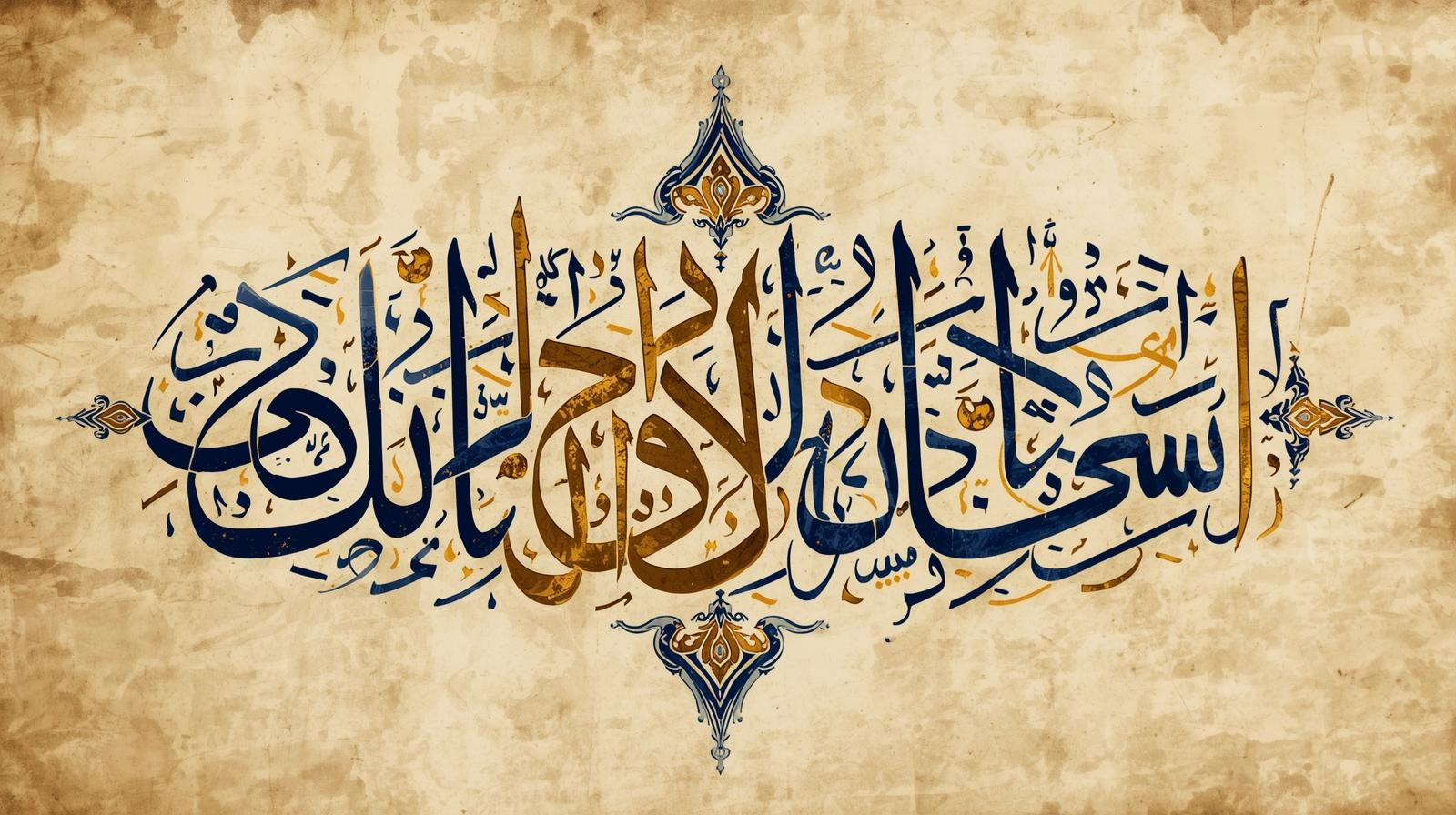
Islamic calligraphy developed its own magnificent tradition, deeply intertwined with religious devotion. Since figurative art was discouraged in Islamic tradition, calligraphy became the primary visual art form, with verses from the Quran transformed into breathtaking compositions. Scripts like Kufic, Naskh, and Thuluth evolved into distinct styles, adorning everything from architecture to manuscripts. The act of copying sacred texts became a form of worship, and calligraphers were held in the highest esteem.
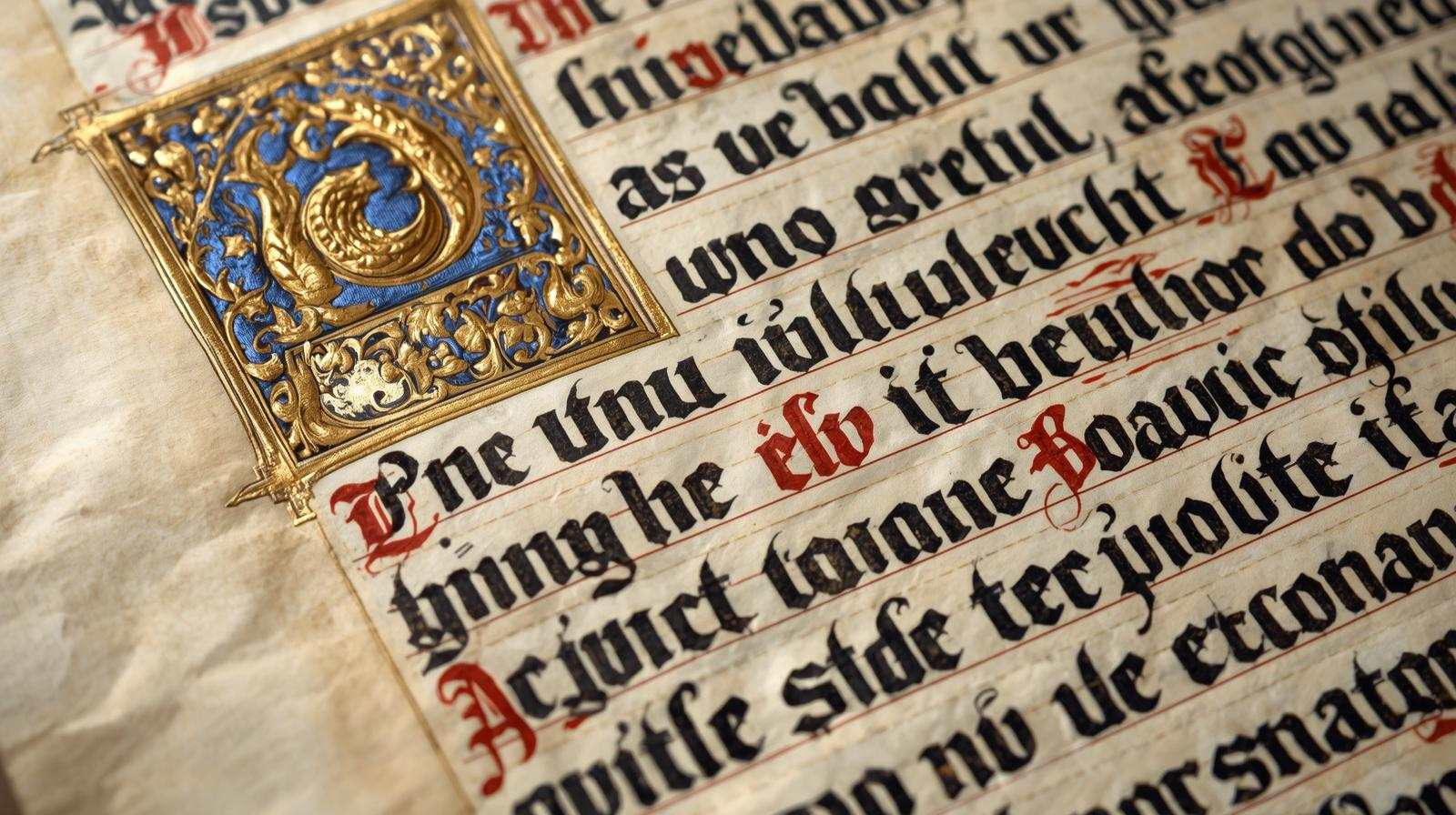
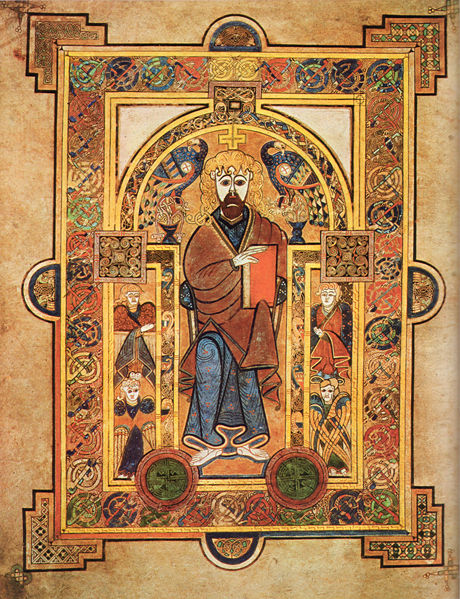
In the Western world, calligraphy flourished in medieval monasteries, where monks painstakingly created illuminated manuscripts. Before the advent of the printing press, these scribes preserved knowledge and created works of stunning beauty. The Book of Kells, produced around 800 AD, remains a masterpiece of Celtic calligraphy, its intricate letterforms and decorations requiring years of devoted labour. Different scripts emerged for various purposes: the formal Carolingian minuscule for important texts, the condensed Gothic for maximising expensive parchment, and the flowing Italic for speed and elegance.
The Craft: Tools, Techniques, and Discipline
Learning calligraphy requires patience, practice, and an understanding of fundamental principles that transcend any particular script. The relationship between tool, hand, and surface creates each unique mark, and mastering this trinity takes time.
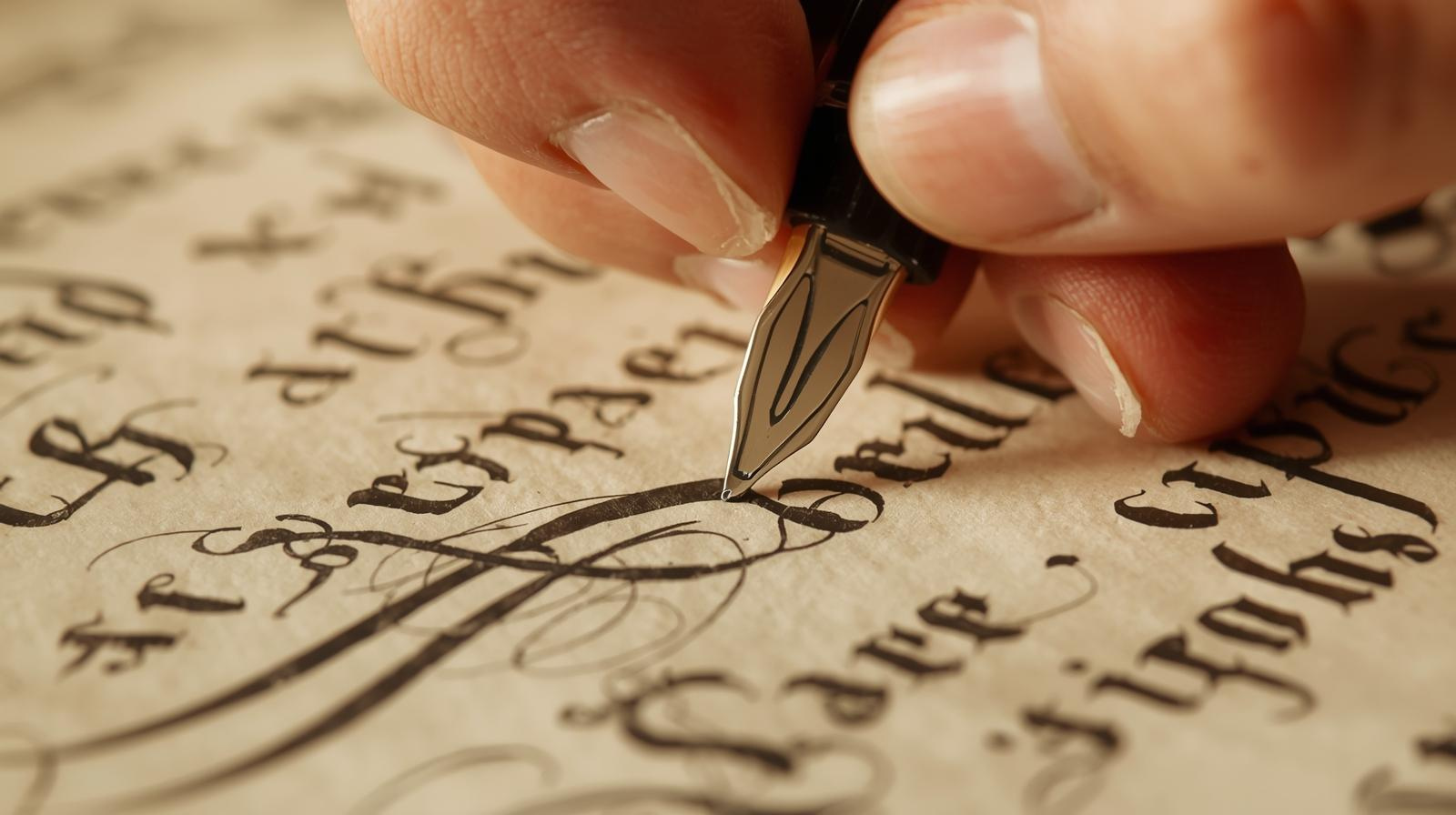
The tools vary by tradition. Western calligraphy employs broad-edged nibs, pointed pens, or brushes, each creating different effects. The broad-edged nib produces the characteristic thick and thin strokes of foundational hands like Uncial or Gothic, where angle and direction determine line weight. Pointed pen calligraphy, popularised in the 18th and 19th centuries, creates variation through pressure, allowing the elegant swells and hairlines of Copperplate and Spencerian scripts. East Asian calligraphy relies on brushes of varying sizes, where the flexibility of animal hair allows for extraordinary expressiveness, from bold, confident strokes to delicate whispers of ink.
Beginners typically start by understanding letterforms through careful observation and repetition. They learn the anatomy of letters: ascenders and descenders, bowls and stems, serifs and terminals. Each script has its own rhythm and proportion, its own rules about spacing and construction. Students practice basic strokes repeatedly, training muscle memory and developing the subtle control needed for consistency. In traditional Japanese and Chinese training, students might spend years copying the works of masters, absorbing not just the forms but the spirit behind them.
The learning process demands both technical precision and artistic sensitivity. A calligrapher must understand spacing and composition, knowing when letters should dance close together and when they need room to breathe. They learn about balance and weight, rhythm and flow. The white space around and between letters becomes as important as the letters themselves. Beyond mechanics lies something harder to teach: the ability to infuse writing with life and personality while respecting the integrity of the letterforms.
Historical Uses: From Sacred to Civic
Throughout history, calligraphy served essential functions while elevating the mundane to the meaningful. In medieval Europe, calligraphers created legal documents, land deeds, and royal proclamations, where the formality and beauty of the script conveyed authority and importance. Marriage contracts, certificates of nobility, and religious texts all demanded the skilled hand of a professional scribe.
Calligraphy marked life’s significant moments. Birth announcements, wedding invitations, and memorial inscriptions received careful attention, the artistry honouring the gravity of these occasions. In East Asia, calligraphy appeared everywhere: on scrolls hung in homes, on fans and screens, carved into seals, and painted on ceramics. A beautifully written poem could be treasured as much as any painting.
The invention of movable type printing in the 15th century didn’t immediately diminish calligraphy’s importance. While printing made books more accessible, calligraphy retained its prestige for personal correspondence, formal documents, and artistic pursuits. The 19th century saw a revival of interest in calligraphic arts, partly as a reaction against industrialisation’s homogenising effects.
Contemporary Renaissance
Far from becoming obsolete in the digital age, calligraphy has experienced a remarkable resurgence. Modern practitioners approach the art from multiple angles, some as traditionalists preserving ancient techniques, others as innovators pushing boundaries.
Wedding invitations remain calligraphy’s most visible commercial application, with hand-lettered envelopes and formal scripts adding elegance to celebrations. But contemporary calligraphers work across diverse fields: creating logos and branding, designing theatrical posters, crafting custom artwork, and even developing digital fonts that capture hand-lettered warmth.
Social media has paradoxically fuelled calligraphy’s revival. Platforms showcase time-lapse videos of letters taking shape, the mesmerizing flow of ink attracting millions of views. Online communities share techniques, critique work, and inspire newcomers. This accessibility has democratised an art once confined to professional guilds and monastic scriptoria.
Modern calligraphers experiment with scale and medium in ways historical scribes never imagined. Some create massive murals with paint and brush, others incorporate calligraphy into textile design or tattoo art. The graffiti art movement, particularly in Arabic and Asian cultures, fuses ancient letterforms with contemporary urban aesthetics. Artists blend traditions, combining Western and Eastern techniques, merging calligraphy with illustration, or deconstructing letterforms into abstract compositions.
The meditative aspects of calligraphy have also gained appreciation. In an accelerated, screen-dominated world, the deliberate slowness of forming letters by hand offers respite. The focus required pushes aside distraction; the repetitive practice becomes almost meditative. Many discover calligraphy not as a career but as a contemplative practice, a way to cultivate patience and presence.
The Artful Side: Where Craft Becomes Expression
What distinguishes calligraphy as art rather than merely skilled writing? The answer lies in intention and expression. While legibility and technique provide the foundation, artistic calligraphy transcends utility to convey emotion, energy, and meaning beyond the words themselves.
A calligraphic artwork might feature a single character, exploring its visual potential through variations in size, texture, and composition. The artist considers negative space, allowing emptiness to amplify the power of the mark. Colour and layering create depth. The choice of paper or substrate affects the ink’s behaviour, introducing elements of chance that can be embraced or controlled.
In traditional East Asian calligraphy, the artist’s state of mind supposedly manifests in their brushwork. Confident strokes reflect clarity and decisiveness, hesitant ones reveal doubt. The speed and pressure of execution, impossible to disguise, reveal the calligrapher’s true nature. This philosophy elevates calligraphy beyond technical accomplishment to spiritual practice.
Contemporary calligraphic artists often challenge conventions. They might render letters illegible, valuing visual rhythm over readability. They incorporate mixed media, adding collage elements, photography, or digital manipulation. Some create three-dimensional calligraphic sculptures or installation pieces where text surrounds the viewer. These innovations honour calligraphy’s heritage while asserting its relevance as contemporary art.

Living Tradition
Calligraphy endures because it satisfies something fundamental in human nature: the desire to make marks that matter, to slow down and create something by hand in a world increasingly automated. Each handwritten letter carries the maker’s individuality in ways mass production cannot replicate. The slight variations, the organic imperfections, and the visible evidence of human effort all contribute to its appeal.
Whether practiced as meditation, profession, or passionate hobby, calligraphy connects us to millennia of human expression. The tools may evolve, the styles may shift, but the essential act remains unchanged: a hand guiding a pen, leaving beauty in its wake. In preserving and reinventing this ancient art, contemporary practitioners ensure that calligraphy continues not as a relic but as a living, breathing tradition, still capable of moving us with the simple, profound power of beautiful writing.
Suggested Books
| Title | The Ultimate Guide to Modern Calligraphy & Hand Lettering for Beginners | |
| Author | June & Lucy | |
| Publisher | June & Lucy | |
| Formats | ||
| Paperback | Waterstones | |
| Paperback and spiralbound | Amazon | |
| ISBN | 9781646081493 | |
| Publication date: | 12 August 2019 | |
| Available from | Waterstones | |
|
–
| Title | Calligraphy Practice Book: Modern Calligraphy & Hand Lettering for Beginners |
| Author | Mary Simply |
| Publisher | Independently published |
| Formats | |
| Paperback | Amazon |
| ISBN | 9798278211587 (paperback) |
| Available from | Amazon (paperback) Click Here |
| Available from | Amazon (hardback) Click Here |
| Title | The Calligrapher’s Bible: 100 Complete Alphabets and How to Draw Them |
| Author | David Harris |
| Publisher | Herbert Press / Bloomsbury Publishing |
| Formats | |
| Paperback | Waterstones |
| Hardback | Amazon Click Here |
| Kindle edition | Amazon Click Here |
| Hardback | Bloomsbury Publishing |
| Wirobound | Bloomsbury |
| ISBN | 9781912217694 (Bloomsbury) 9780713665048 (Amazon UK edition) |
| Publication date: | 22nd October 2020 |
| Available from | Waterstones |
| Amazon (see links above) | |
| Bookshop.org Click Here |
| Title | The Art & History of Calligraphy |
| Author | Patricia Lovett |
| Publisher | British Library Publishing |
| Formats | |
| Paperback | Waterstones |
| Hardback | Amazon |
| ISBN | 9780712353670 |
| Publication date: | 22nd October 2020 |
| Available from | Waterstones |
| Amazon Click Here (hardback)
Click Here (paperback) |
|
| Bookshop.org Click Here |
| Title | Modern Calligraphy: Everything You Need to Know to Get Started in Script Calligraphy |
| Author | Molly Suber Thorpe |
| Publisher | Macmillan / Pan Macmillan |
| Formats | |
| Paperback | Waterstones |
| Kindle edition | Amazon |
| ISBN | 9781250016324 |
| Publication date: | 1st May 2017 |
| Available from | Waterstones |
| Amazon Click Here |
| – | Nib + Ink: The New Art of Modern Calligraphy |
| Author | Chiara Perano |
| Publisher | Ebury Press (Penguin Random House) |
| Formats | |
| Paperback | Waterstones |
| Kindle edition | Amazon |
| ISBN | 9780753557280 |
| Publication date: | 10 March 2016Click Here |
| Available from | Waterstones |
| Amazon 9780753557280
Click Here (paperback) Click Here Kindle |
|
| Bookshop.org Click Here |
| Title | The Calligraphy Ideas Book |
| Author | Lyndsey Gribble |
| Publisher | Ilex Press |
| Formats | |
| Paperback | Waterstones |
| Kindle edition | Amazon |
| ISBN | 9781781577462 |
| Publication date: | 2020 |
| Available from | Waterstones |
| Amazon Click Here (paperback)
Click Here (Kindle) |
|
| Bookshop.org Click Here |
Leave a Reply