
Writing systems around the world fall into several categories: alphabets like the Latin or Cyrillic scripts, syllabaries like Japanese kana, and logographic systems like Chinese characters. But there’s another major category that bridges the gap between alphabets and syllabaries, the abugida, sometimes called an alphasyllabary.
What Makes an Abugida Unique?
In an abugida script, each basic character represents a consonant paired with an inherent vowel, typically “a”. To represent other vowels, writers modify the base character by adding marks above, below, or around it. This differs from a true alphabet, where vowels are separate letters with equal status to consonants, and from a syllabary, where each possible syllable combination has its own unique symbol.
For example, in many abugida scripts, the character for “ka” is the base form. To write “ki”, you’d add a mark to indicate the “i” vowel. To write just “k” with no vowel, you’d add a special mark called a virama or halant that cancels the inherent vowel.
The Brahmic Family: South and Southeast Asia
The largest family of abugida scripts descends from the ancient Brahmi script of India, which emerged around the 3rd century BC. This family has spread across South and Southeast Asia, adapting to dozens of languages.
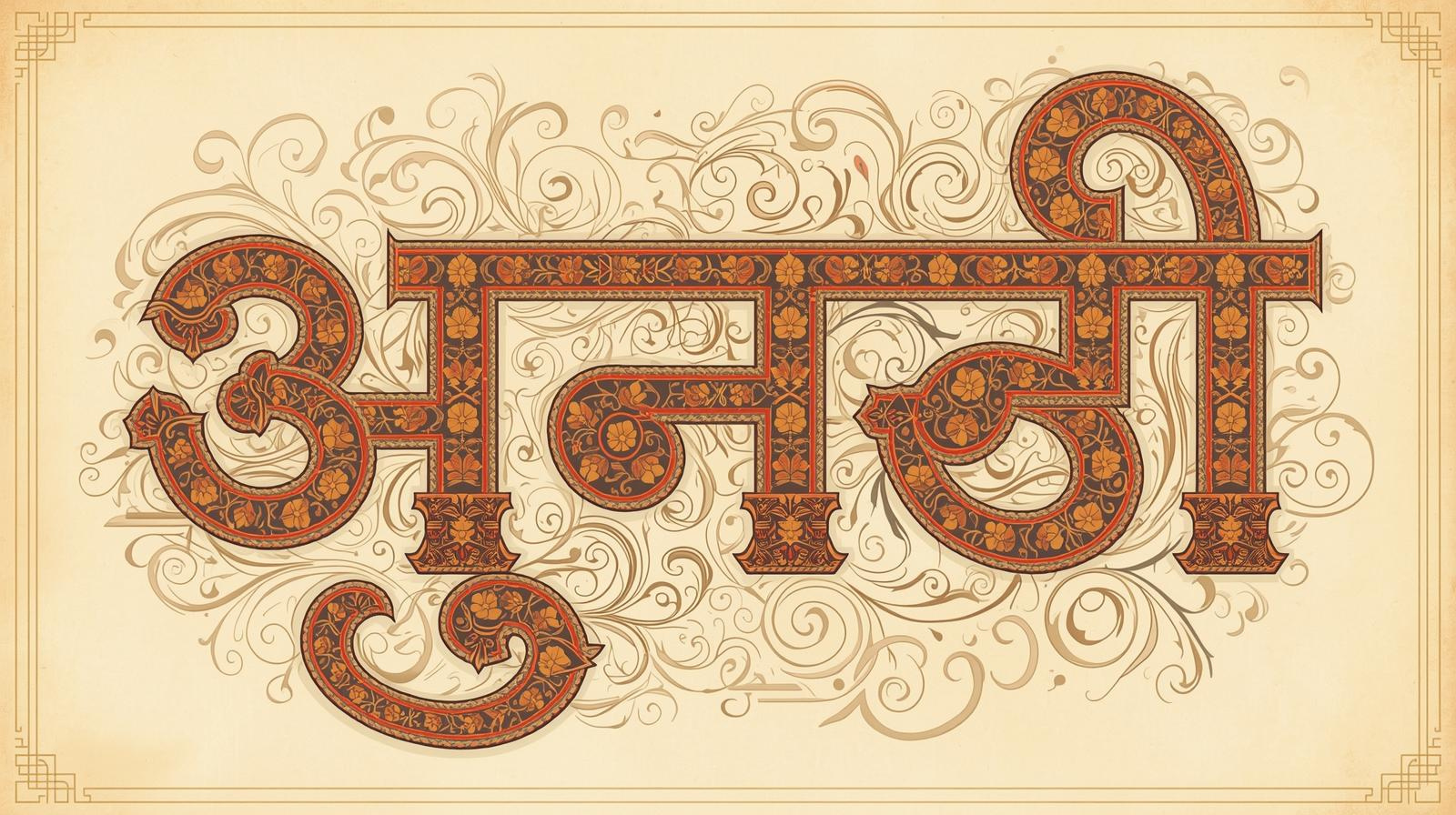
Devanagari is perhaps the most widely used abugida today, serving as the script for Hindi, Marathi, Nepali, and Sanskrit among others. With over 600 million users, it’s characterised by a horizontal line running along the top of characters. The script flows from left to right and uses a systematic arrangement where consonants are organised by their place and manner of articulation.
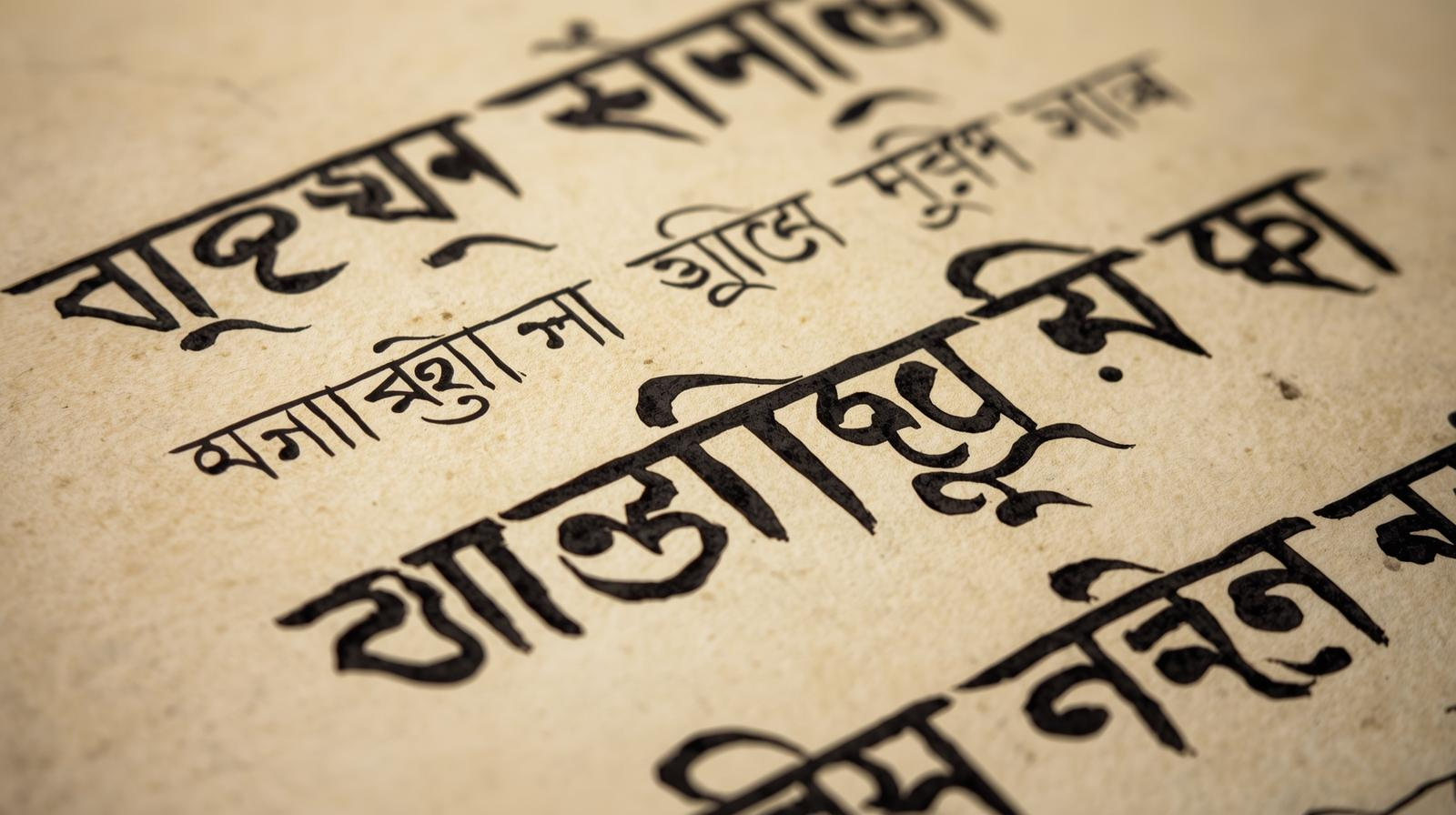
Bengali-Assamese script serves around 300 million people in Bangladesh and eastern India. Its rounded, flowing characters are distinct from Devanagari’s more angular forms, reflecting centuries of separate development.
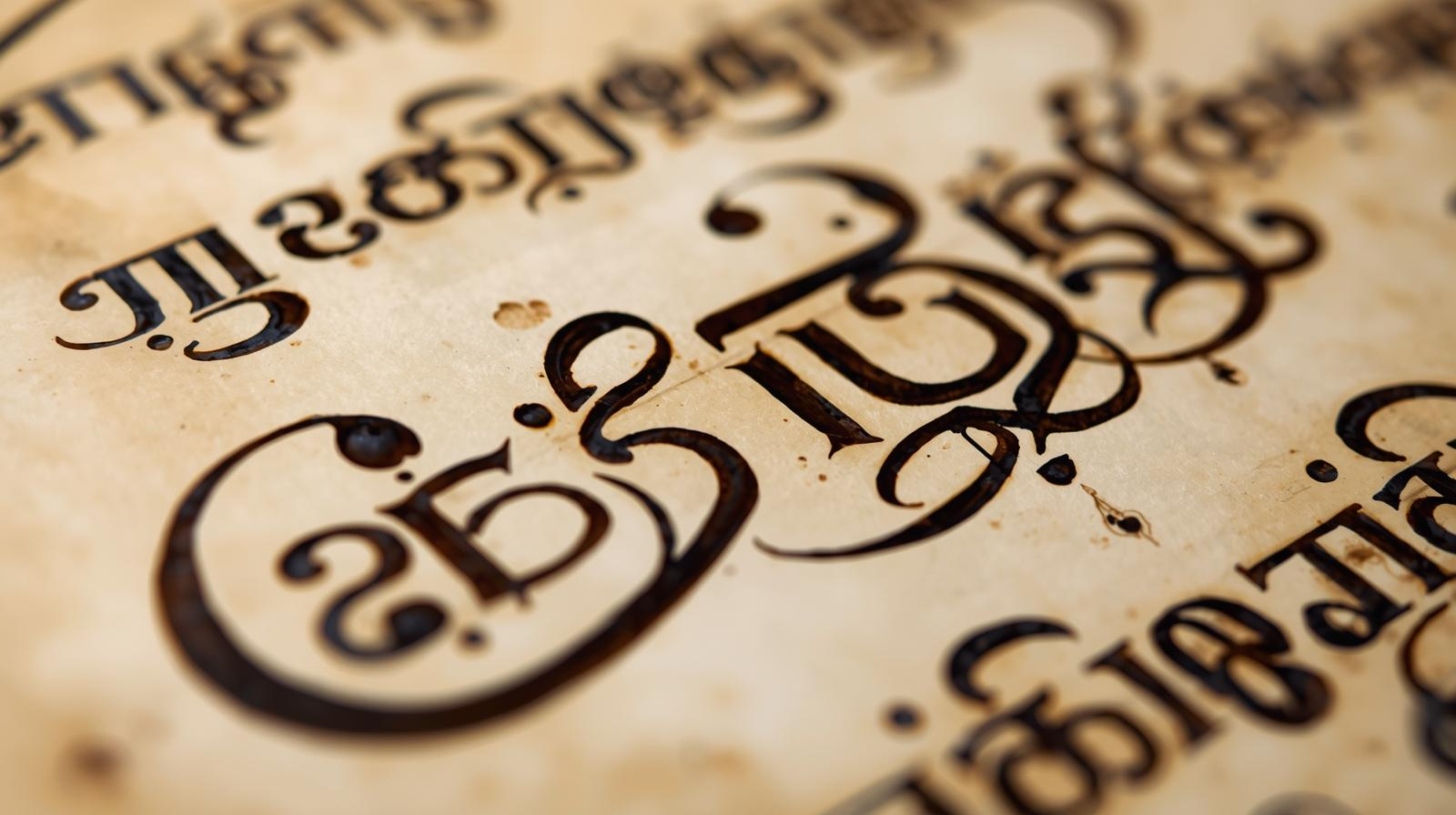
Tamil script stands out within the Brahmic family for its simplification. Unlike most Indian scripts with 30-40+ consonants, Tamil uses just 18 base consonant characters, reflecting the phonology of the Tamil language. The script’s curved forms are instantly recognisable and have been used for over 1,500 years.
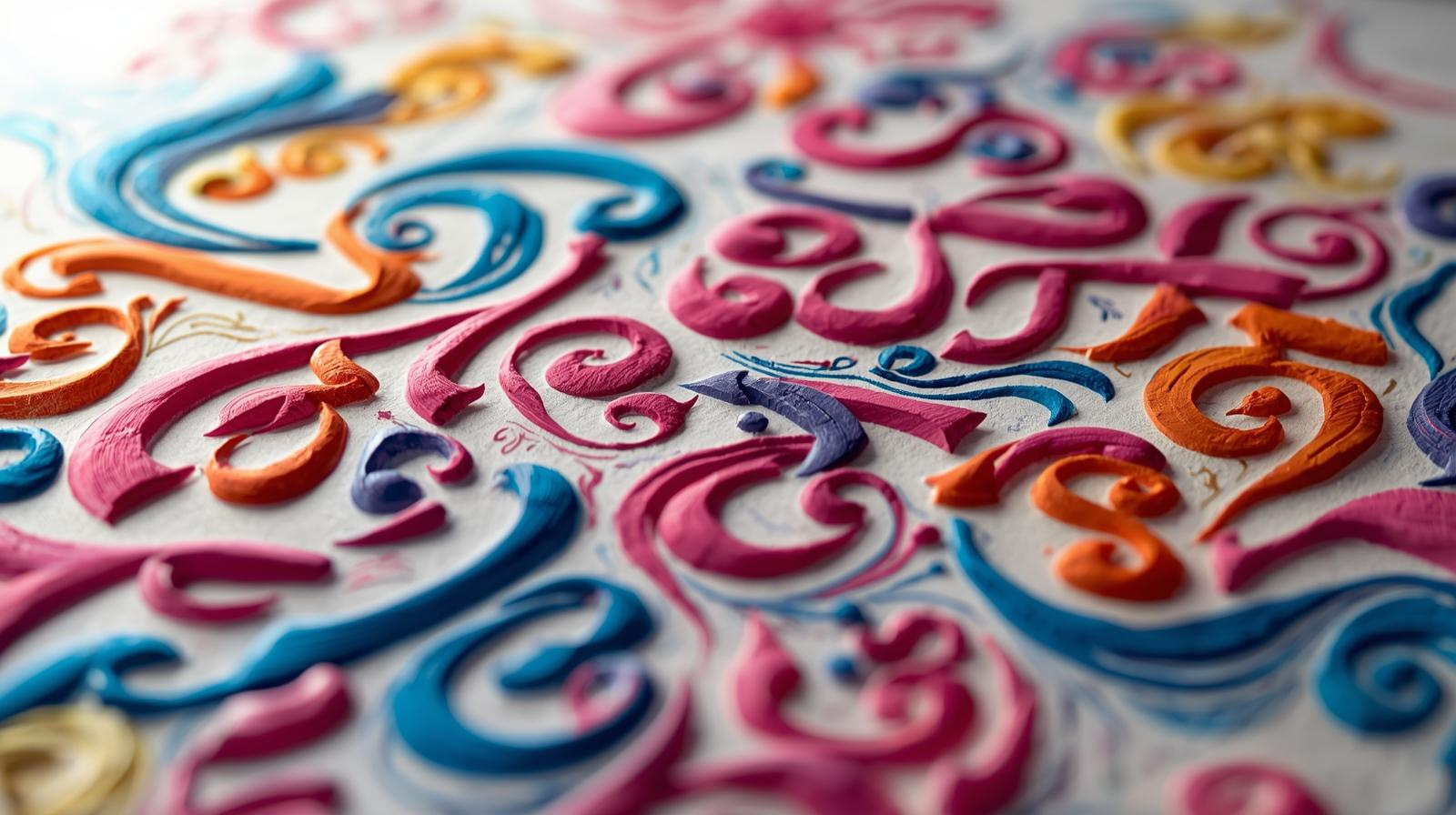
Telugu and Kannada scripts serve the Dravidian languages of southern India. Both feature extremely rounded, circular letterforms that make them among the most visually distinctive of Indian scripts.
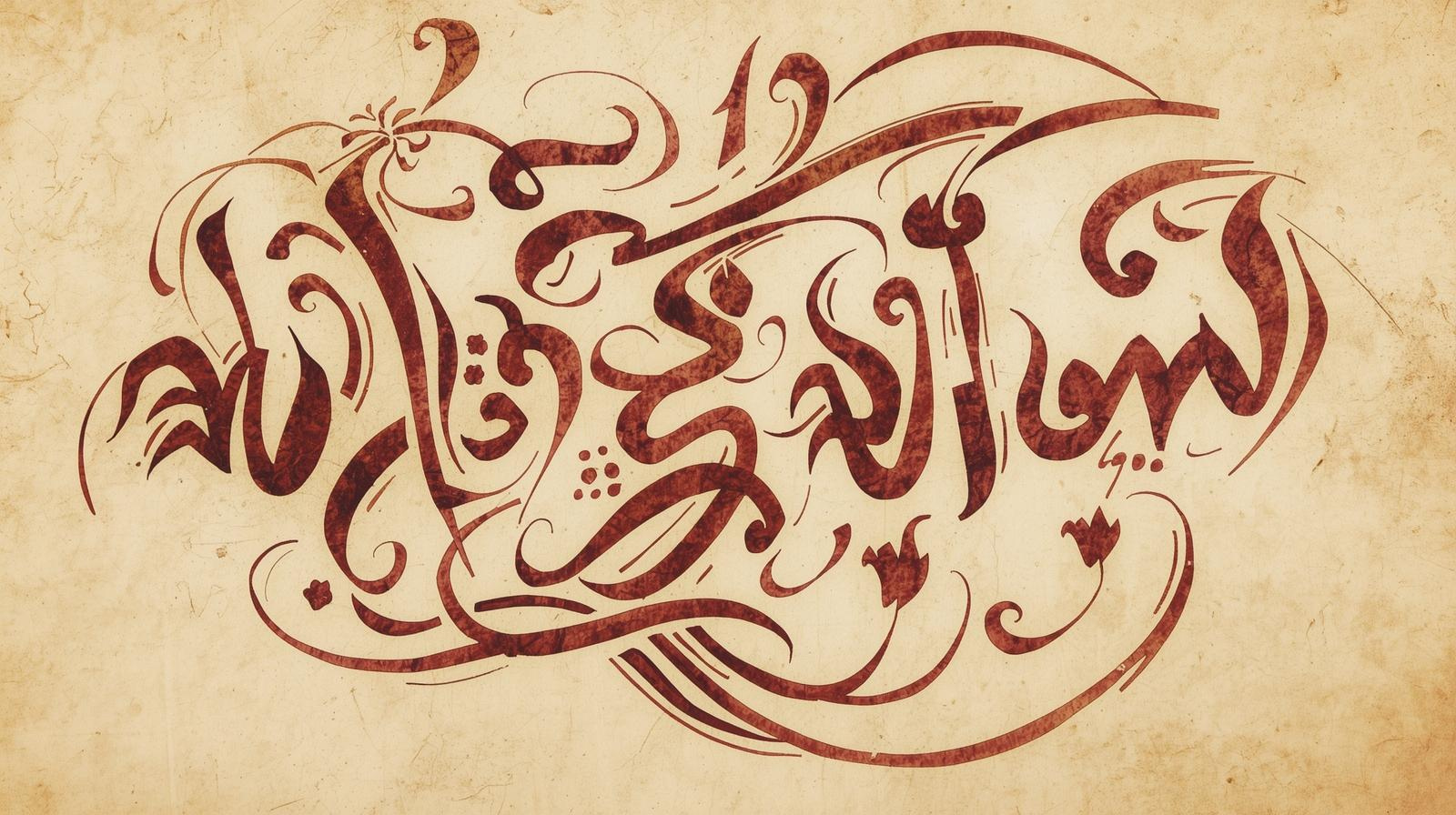
Gujarati looks similar to Devanagari but lacks the horizontal top line, giving it a more open appearance. It serves about 55 million speakers in western India.
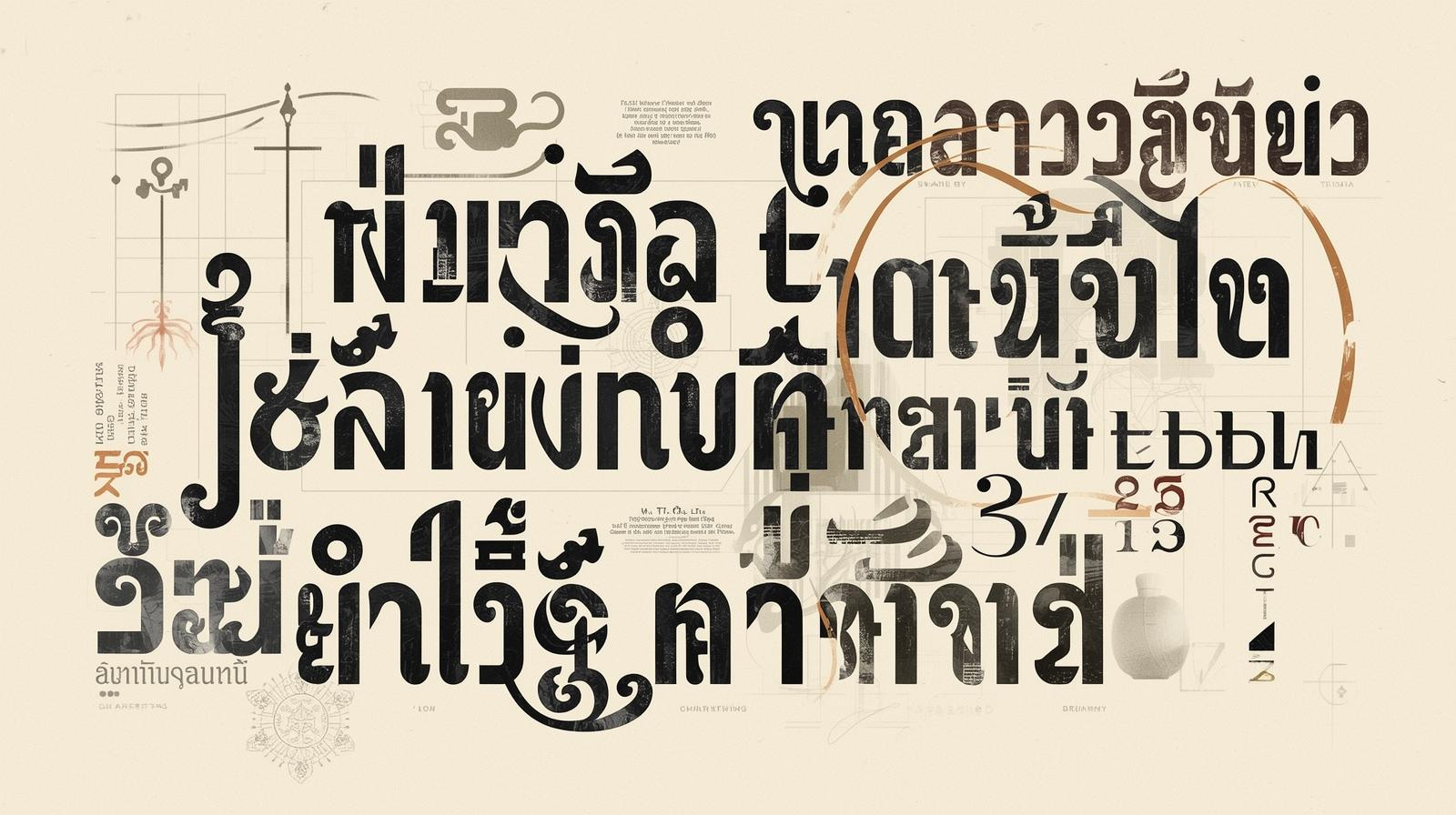
Thai, Lao, and Khmer scripts all evolved from ancient Indian scripts brought to Southeast Asia along with Buddhism and Hinduism. Thai script, with its loops and circles, is used by about 70 million people. Lao script is similar but has its own distinct character set. Khmer, serving Cambodia, features elaborate curled forms that reflect its ancient heritage.
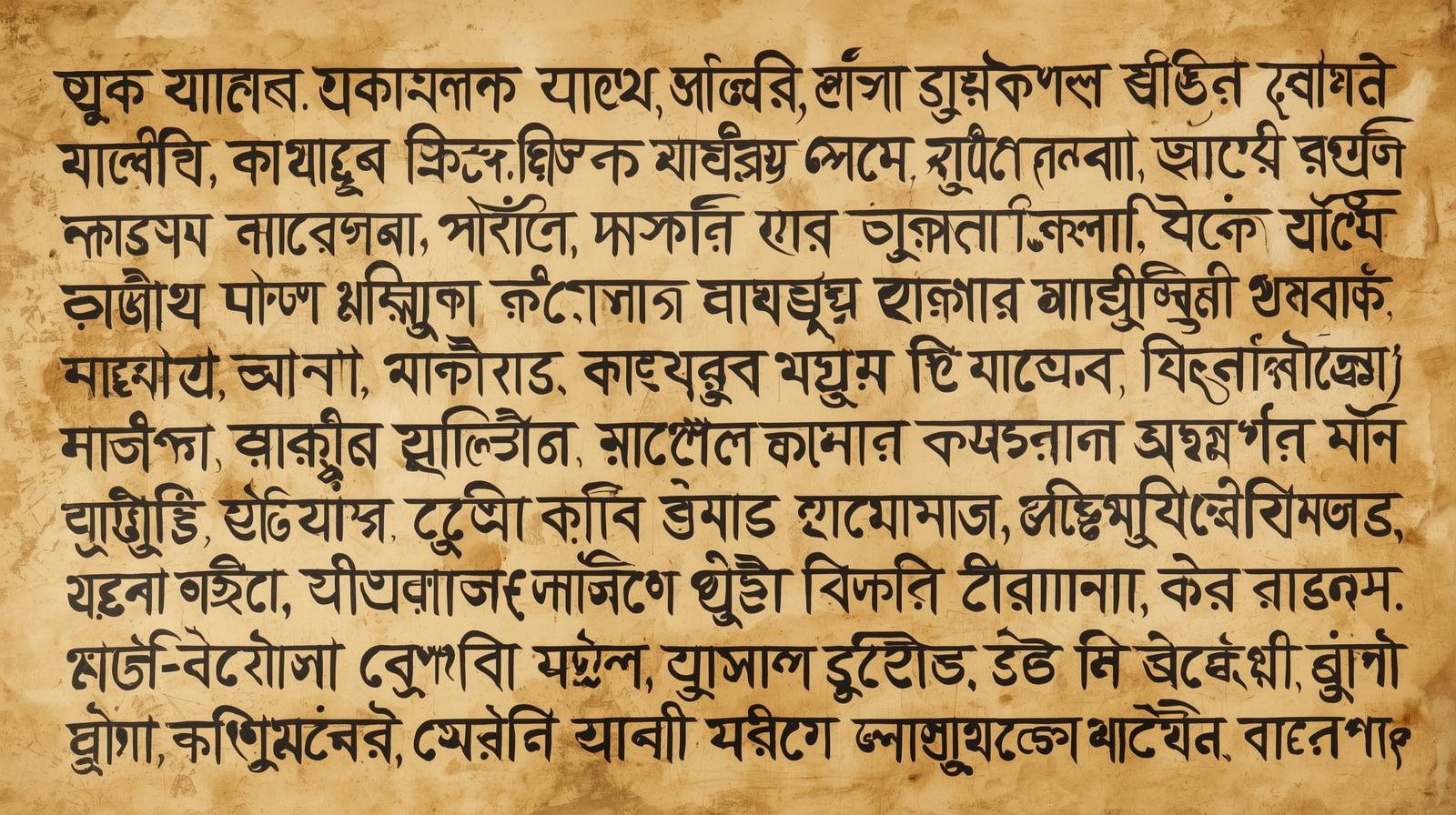
Burmese script uses highly circular characters that seem to consist of loops and bubbles. This distinctive appearance arose partly from writing on palm leaves—straight lines would tear the leaves, so curved forms became standard. About 40 million people use this script.
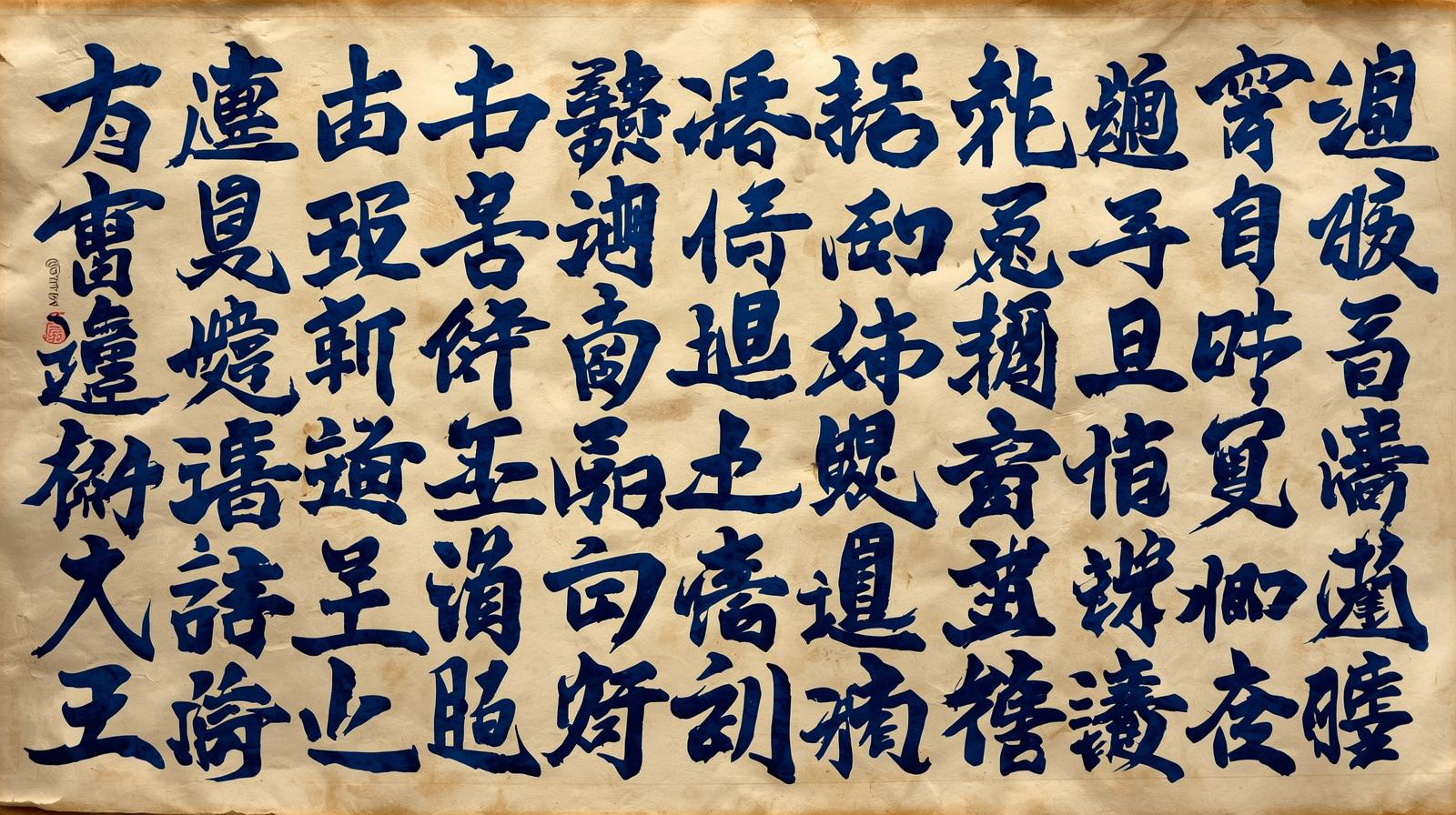
Tibetan script spread with Tibetan Buddhism across the Himalayan region and into Mongolia. Its blocky, stacked characters can be written in an elaborate calligraphic style called uchen or in a cursive form called umê.
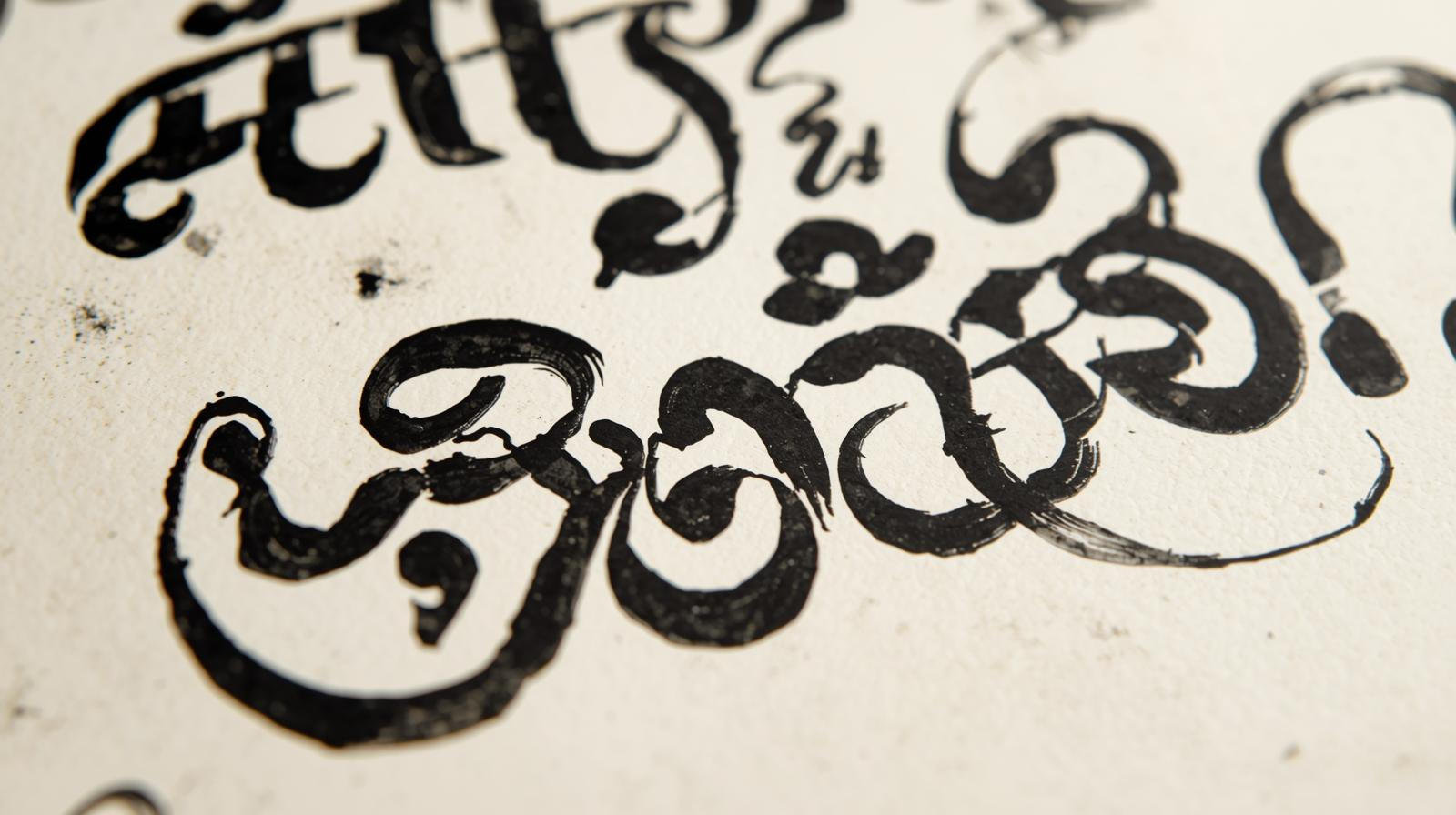
Sinhala script is used for the Sinhala language of Sri Lanka and features particularly ornate, curving characters with many circular elements.
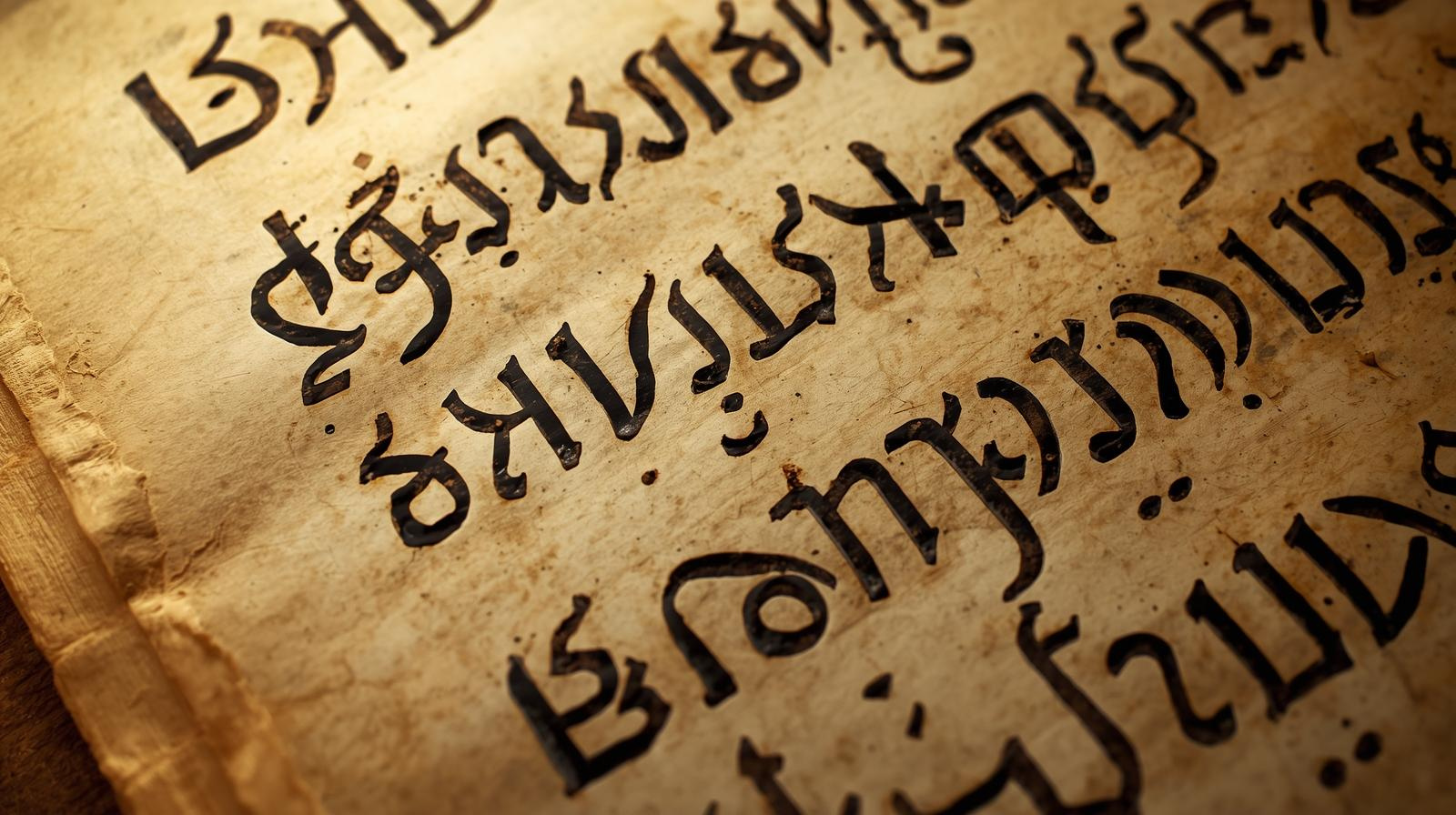
The Ge’ez Script: Ethiopia and Eritrea
Far from the Brahmic family, the Ge’ez script (also called Ethiopic) developed independently in the Horn of Africa. Used today for Amharic, Tigrinya, and other languages of Ethiopia and Eritrea, it serves about 80 million people.
Ge’ez script technically functions as an abugida, though with some differences from the Brahmic model. Rather than adding small marks to modify consonants, Ge’ez systematically alters the basic consonant shape itself for each vowel combination. Each consonant has seven forms representing seven vowel sounds. The script also includes characters for consonants with no following vowel.
The script’s aesthetic is distinctive, featuring geometric forms with many characters based on vertical strokes with crossing or branching elements. It reads left to right and has been in use since at least the 4th century AD.
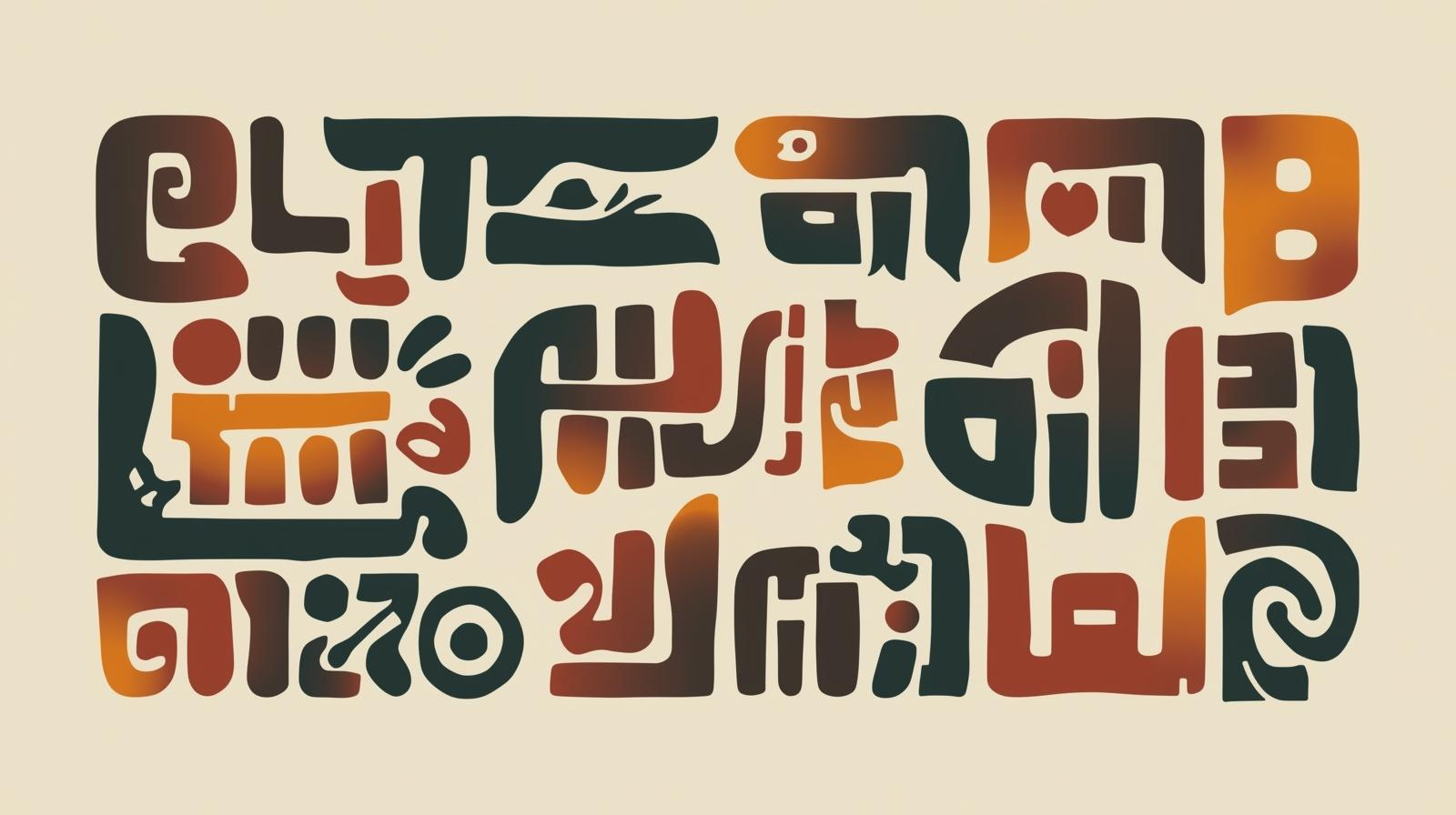
Canadian Aboriginal Syllabics
The Canadian Aboriginal syllabics represent an interesting modern creation. Developed in the 1830s by missionary James Evans for Cree languages, these scripts function as abugidas where the orientation of a basic shape indicates the vowel. A triangle pointing right might be “pe”, pointing left “pi”, pointing up “po”, and pointing down “pa”.
The system has been adapted for Inuktitut, Ojibwe, and other Indigenous languages of Canada. About 70,000 people use these scripts today, and they have official status in Nunavut alongside English and French.
Cultural Significance
Abugida scripts are deeply intertwined with the cultures and religions they serve. The Brahmic scripts spread alongside Hindu and Buddhist texts, and the association between script and sacred literature remains strong. Sanskrit texts in Devanagari, Pali Buddhist texts in various Southeast Asian scripts, and Islamic adaptations of South Asian scripts all reflect this spiritual dimension.
The Ge’ez script carries similar weight in Ethiopian Orthodox Christianity, and the Ethiopian church has been central to preserving and transmitting the script across generations.
The visual beauty of abugida scripts has also made them central to artistic traditions. From ornate Quranic calligraphy in Jawi script (an adapted Arabic-based abugida) to elaborate Tibetan mantra wheels, these writing systems transcend mere communication to become art forms in their own right.
Modern Challenges and Adaptations
In the digital age, abugida scripts have required significant work to implement in computers and smartphones. Unicode encoding has standardised most major abugidas, but rendering them correctly remains more complex than Latin text. The combination of base characters with various modifying marks, the rules for how marks are positioned, and the potential for characters to change shape depending on context all require sophisticated text-rendering engines.
Despite these challenges, abugida scripts thrive in the modern world. Hundreds of millions of people use them daily; they appear on websites and in digital communications, and contemporary literature continues to be produced in these scripts. Rather than being replaced by Latin alphabet, most abugidas have successfully adapted to new media while maintaining their distinctive characteristics.
Conclusion
Abugida scripts represent an elegant solution to writing human language, one that differs from the alphabetic approach familiar to English speakers. By treating the consonant-vowel combination as the basic unit while still maintaining flexibility through vowel modification, abugidas balance economy with precision. From the streets of Delhi to the highlands of Ethiopia, from Buddhist temples in Thailand to Canadian Indigenous communities, abugida scripts continue to serve as vehicles for languages, cultures, and identities.
Leave a Reply