
From the flickering frames of silent films to today’s digital spectacles, directors have shaped cinema into the powerful art form we know today. These visionaries have not only entertained audiences but have also challenged perspectives, pushed technical boundaries, and left indelible marks on culture itself.
The Silent Era Pioneers (1890s-1920s)

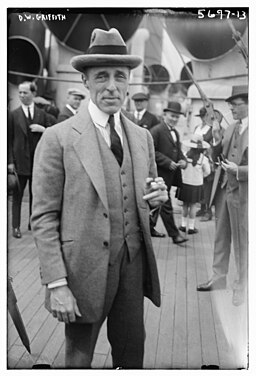
Cinema’s earliest directors were true innovators, inventing the language of film as they went. Georges Méliès, a French illusionist turned filmmaker, created fantastical worlds in films like A Trip to the Moon (1902), pioneering special effects and narrative storytelling. Meanwhile, D.W. Griffith revolutionised cinematic technique with his development of cross-cutting, close-ups, and fade-outs, though his work remains controversial due to the racist content of The Birth of a Nation (1915).

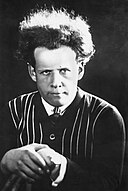
In Germany, F.W. Murnau crafted expressionist masterpieces like Nosferatu (1922) and Sunrise (1927), using shadows, angles, and movement to create psychological depth. Soviet director Sergei Eisenstein developed montage theory, using editing to create meaning and emotion in films like Battleship Potemkin (1925), which would influence generations of filmmakers.
The Golden Age of Hollywood (1930s-1950s)
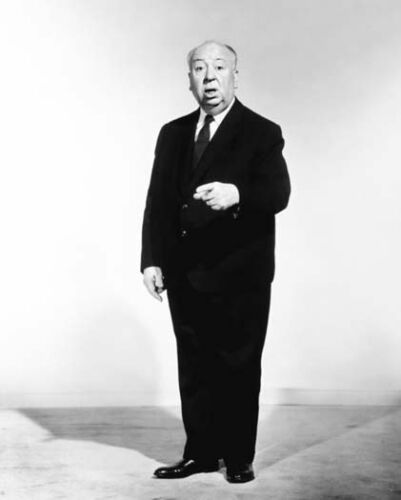
As sound transformed cinema, a new generation of directors emerged to define Hollywood’s golden era. Alfred Hitchcock, the “Master of Suspense,” crafted psychological thrillers that kept audiences on edge, from Rebecca (1940) to Rear Window (1954). His meticulous control over every frame and his understanding of audience psychology made him one of cinema’s most studied auteurs.
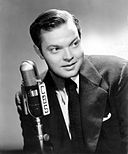

Orson Welles shattered conventions with Citizen Kane (1941), employing deep focus cinematography, innovative sound design, and non-linear storytelling that still feels modern today. John Ford created defining westerns like The S-earchers (1956), while Billy Wilder demonstrated versatility across genres, from the noir cynicism of Double Indemnity (1944) to the sparkling comedy of Some Like It Hot (1959).
The International New Waves (1950s-1970s)

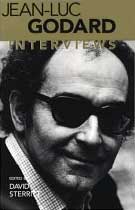
The post war period saw cinema explode globally with bold new voices. In France, the Nouvelle Vague challenged traditional filmmaking François Truffaut’s The 400 Blows (1959) brought emotional authenticity and improvisation, while Jean-Luc Godard’s Breathless (1960) shattered narrative conventions with jump cuts and self-reflexive techniques.
Italy’s Federico Fellini created dreamlike, deeply personal films like 8½ (1963), blending memory, fantasy, and reality. Ingmar Bergman explored existential themes in stark, intimate dramas like The Seventh Seal (1957) and Persona (1966). In Japan, Akira Kurosawa bridged Eastern and Western storytelling, creating samurai epics like Seven Samurai (1954) that influenced countless filmmakers worldwide.
The New Hollywood Revolution (1970s)
American cinema underwent a radical transformation as young filmmakers gained creative control. Francis Ford Coppola redefined the gangster genre with The Godfather trilogy, crafting operatic tales of power and family. Martin Scorsese brought gritty realism and Catholic guilt to films like Taxi Driver (1976) and Raging Bull (1980), using dynamic camera work and popular music in ground breaking ways.
Steven Spielberg became the architect of the modern blockbuster with Jaws (1975) and Raiders of the Lost Ark (1981), while also demonstrating dramatic depth in Schindler’s List (1993). Stanley Kubrick pursued perfectionism across genres, from the chilling horror of The Shining (1980) to the philosophical science fiction of 2001: A Space Odyssey (1968).
Modern Masters (1980s-2000s)
As cinema matured, directors continued to push boundaries in every direction. The Coen Brothers blended genres with dark humour and meticulous craft in Fargo (1996) and No Country for Old Men (2007). Quentin Tarantino reinvigorated independent cinema with Pulp Fiction (1994), mixing pop culture, violence, and witty dialogue in non-linear narratives.
David Lynch explored the surreal and disturbing in Blue Velvet (1986) and Mulholland Drive (2001), creating nightmarish dreamscapes. Wong Kar-wai brought poetic romanticism to Hong Kong cinema with In the Mood for Love (2000), while Pedro Almodóvar infused Spanish cinema with vibrant colour, melodrama, and complex female characters.
Terrence Malick returned from a twenty-year hiatus with The Thin Red Line (1998), creating philosophical meditations on nature and humanity. Paul Thomas Anderson emerged as an American master with ambitious character studies like There Will Be Blood (2007).
Contemporary Visionaries (2010s-Present)
Today’s directors work in an era of streaming platforms, digital technology, and global interconnection. Christopher Nolan has become synonymous with ambitious, cerebral blockbusters like Inception (2010) and Dunkirk (2017), championing IMAX and practical effects. Denis Villeneuve has brought intelligence to science fiction with Arrival (2016) and Dune (2021).
Bong Joon-ho achieved international recognition with Parasite (2019), which became the first non-English language film to win Best Picture at the Oscars, highlighting increasing global perspectives in cinema. Greta Gerwig brought fresh feminist perspectives to coming-of-age stories with Lady Bird (2017) and reimagined Barbie (2023) as cultural commentary.
Jordan Peele redefined horror as social commentary with Get Out (2017) and Us (2019), while Ari Aster pushed horror’s boundaries with Hereditary (2018) and Midsommar (2019). Meanwhile, directors like Barry Jenkins (Moonlight, 2016) and Chloé Zhao (Nomadland, 2020) have brought intimate, lyrical approaches to American storytelling.
The Director’s Legacy
What unites these diverse filmmakers across eras and continents is a commitment to cinema as an art form capable of expressing the full range of human experience. They’ve used the unique properties of moving images to tell stories, create beauty, provoke thought, and capture moments that would otherwise be lost to time.
Each generation builds on the innovations of those before while responding to their own cultural moment. The silent pioneers taught us how to tell stories visually. The studio-era masters refined the craft. The new waves broke the rules. Contemporary directors synthesise everything that came before while finding new voices for our digital age.
As technology continues to evolve and global perspectives expand, future directors will undoubtedly push cinema into territories we can’t yet imagine. But they’ll do so standing on the shoulders of these giants who proved that cinema is not just entertainment, but one of humanity’s great artistic achievements.
Book suggestions
| Title | A-Z Great Film Directors |
| Author | Andy Tuohy (illus.), Matt Glasby (text) |
| Publisher | Octopus Publishing Group |
| Pages | 224 |
| Formats | |
| Physical | Hardback |
| Paperback | |
| Available from | Waterstones |
| Amazon Click Here (hardback) | |
| Bookshop.org. UK Click Here | |
| Title | 501 Movie Directors |
| Author | Steven Jay Schneider (ed.) |
| Publisher | Barron’s Educational Series |
| Pages | 640 |
| Formats | Hardcover |
| Paperback | |
| Available from | Amazon Click Here (hardback)
Click Here (paperback) |
| Title | The Essential Directors: The Art and Impact of Cinema’s Most Influential Filmmakers |
| Author | Sloan De Forest |
| Publisher | Running Press (Turner Classic Movies) |
| Pages | 344 |
| Formats | |
| Physical | Hardback |
| Paperback | |
| Ebook | Kindle Click Here |
| Available from | Amazon Click Here |
| Waterstones | |
| Bookshop.org uk Click Here | |
| Title | The Film Book |
| Author | Ronald Bergan / DK |
| Publisher | Dorling Kindersley (DK) |
| Pages | 352-360 |
| Formats | Hardback |
| Available from | Waterstones |
| Amazon Click Here | |
| Bookshop.org Click Here | |
| Title | British Film Directors |
| Author | Robert Shail |
| Publisher | Edinburgh University Press |
| Pages | 256 |
| Formats | Hardback |
| Paperback | |
| Available from | Waterstones |
| Bookshop.org uk Click Here (paperback)
Click Here (hardback) |
|
Leave a Reply