
Lithuania’s folk art and craftsmanship form one of the most distinctive and enduring elements of the nation’s cultural heritage. Rooted in centuries‑old rural traditions, these artistic practices reflect the values, beliefs, and daily life of the Lithuanian people. From intricate woodcarving to vibrant textiles, Lithuania’s folk art is not merely decorative, it is a living expression of national identity, shaped by history and preserved through generations.
Historical Foundations
The origins of Lithuanian folk art can be traced to ancient Baltic tribes whose spiritual worldview and close relationship with nature influenced early artistic forms. Over time, these traditions evolved within village communities, where craftsmanship was both a practical necessity and a means of cultural expression.
Despite periods of foreign rule, Lithuanian folk art remained remarkably resilient. Crafts were passed down within families, and many artistic motifs survived unchanged for centuries. This continuity has allowed Lithuania to maintain one of the richest folk art traditions in Northern Europe.
Woodcarving: A Symbol of Spiritual and Rural Life
Woodcarving holds a special place in Lithuanian culture. The country is renowned for its cross‑crafting tradition, recognised by UNESCO as part of the Intangible Cultural Heritage of Humanity. These wooden crosses, often adorned with sun motifs, floral patterns, and religious symbols, stand in cemeteries, village squares, and along roadsides.
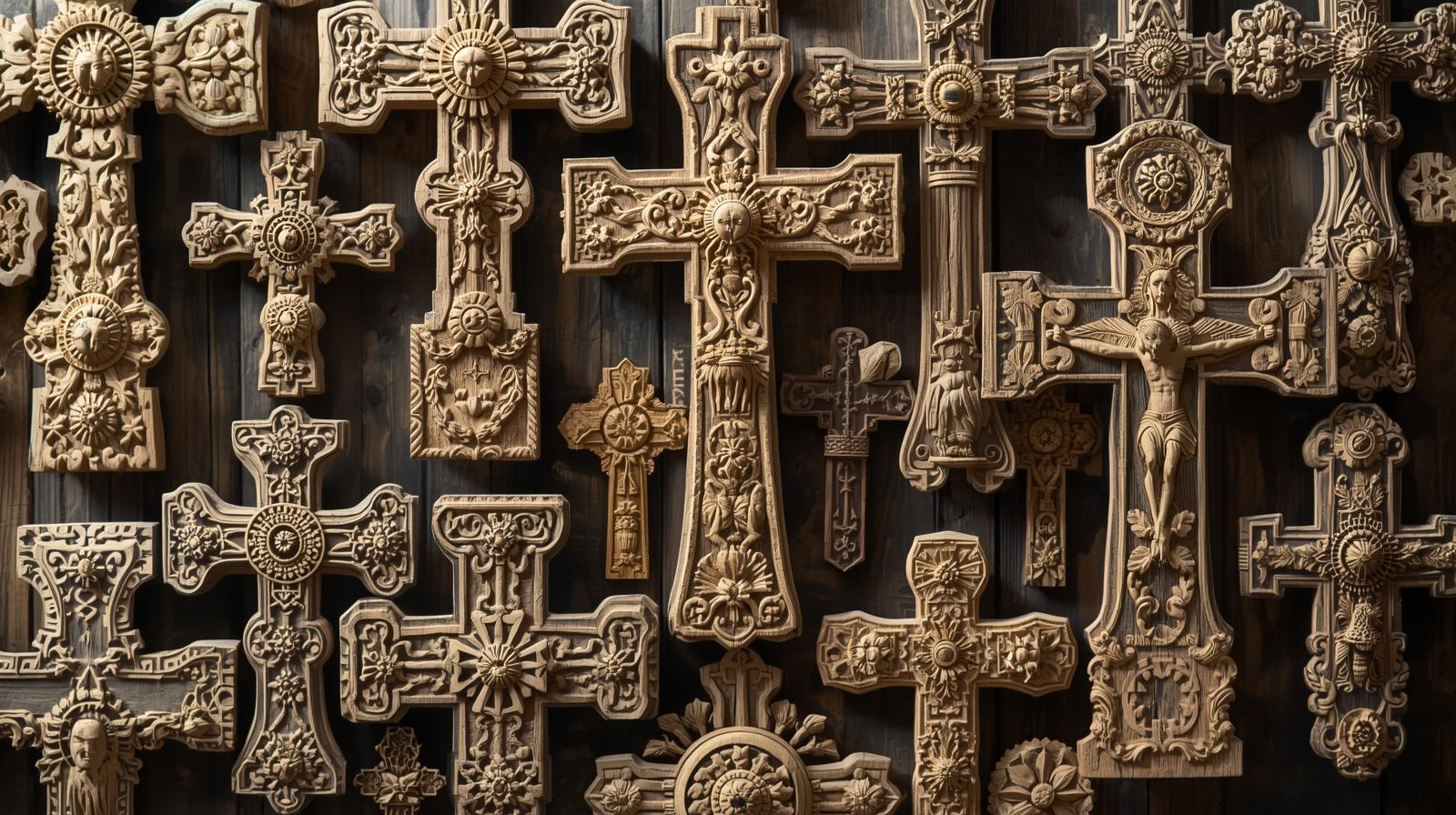
Beyond crosses, Lithuanian woodcarvers produce:
- Sculptures of saints and folk heroes
- Decorative household items such as spoons, chests, and furniture
- Ornamental pillars (koplytstulpiai) that blend pagan and Christian symbolism
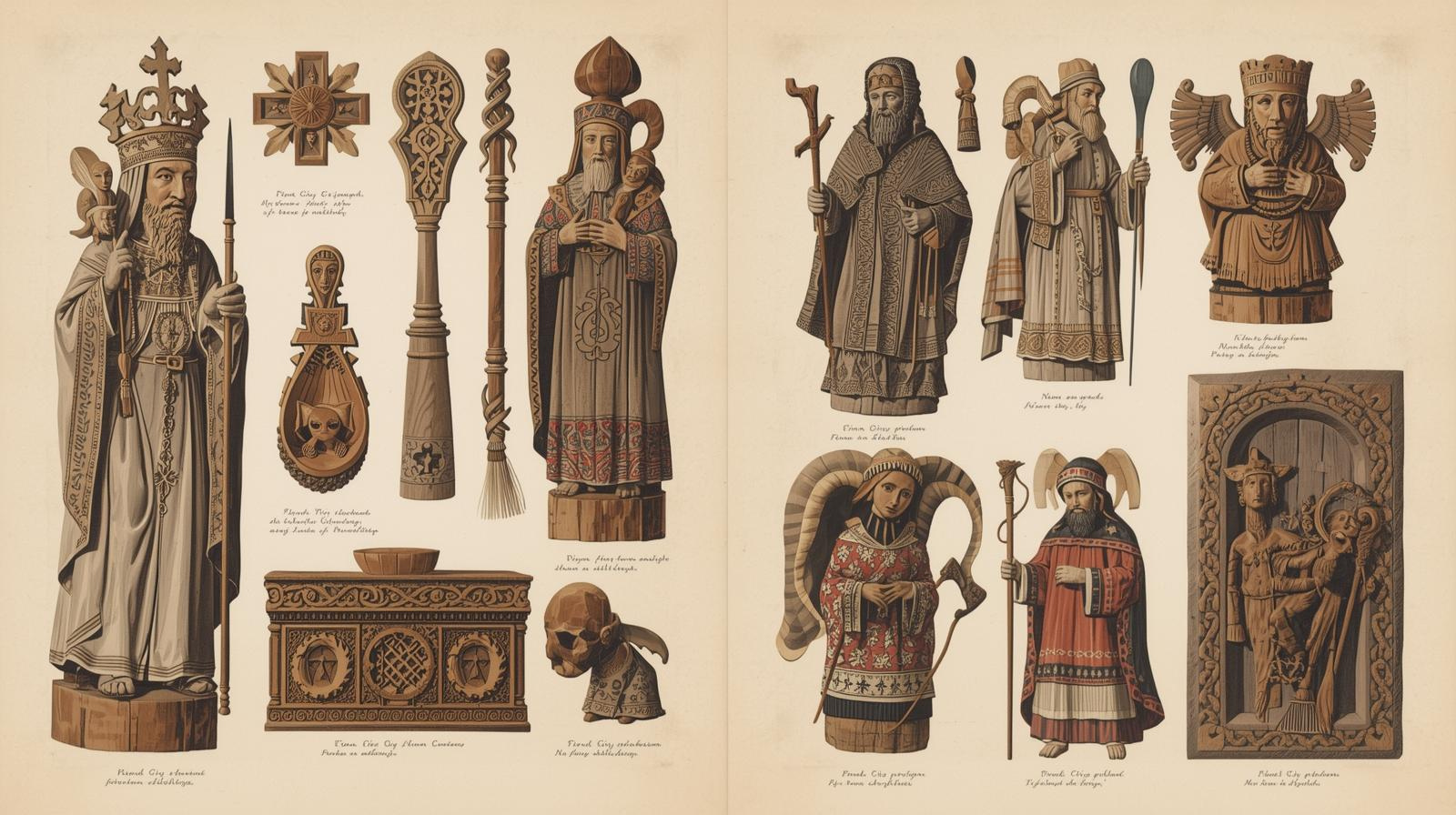
Woodcarving remains a respected craft, with artisans continuing to use traditional tools and techniques.
Textiles and Weaving: Threads of Identity
Lithuanian textile art is characterised by its vibrant colours, geometric patterns, and symbolic motifs. Historically, weaving was an essential skill for rural women, who produced clothing, blankets, and decorative fabrics for household use and ceremonial occasions.
Key textile traditions include:
- Linen weaving, rooted in Lithuania’s long history of flax cultivation
- Sashes (juostos)**, intricately patterned bands used in folk costumes and rituals
- Woolen fabrics, often dyed with natural pigments
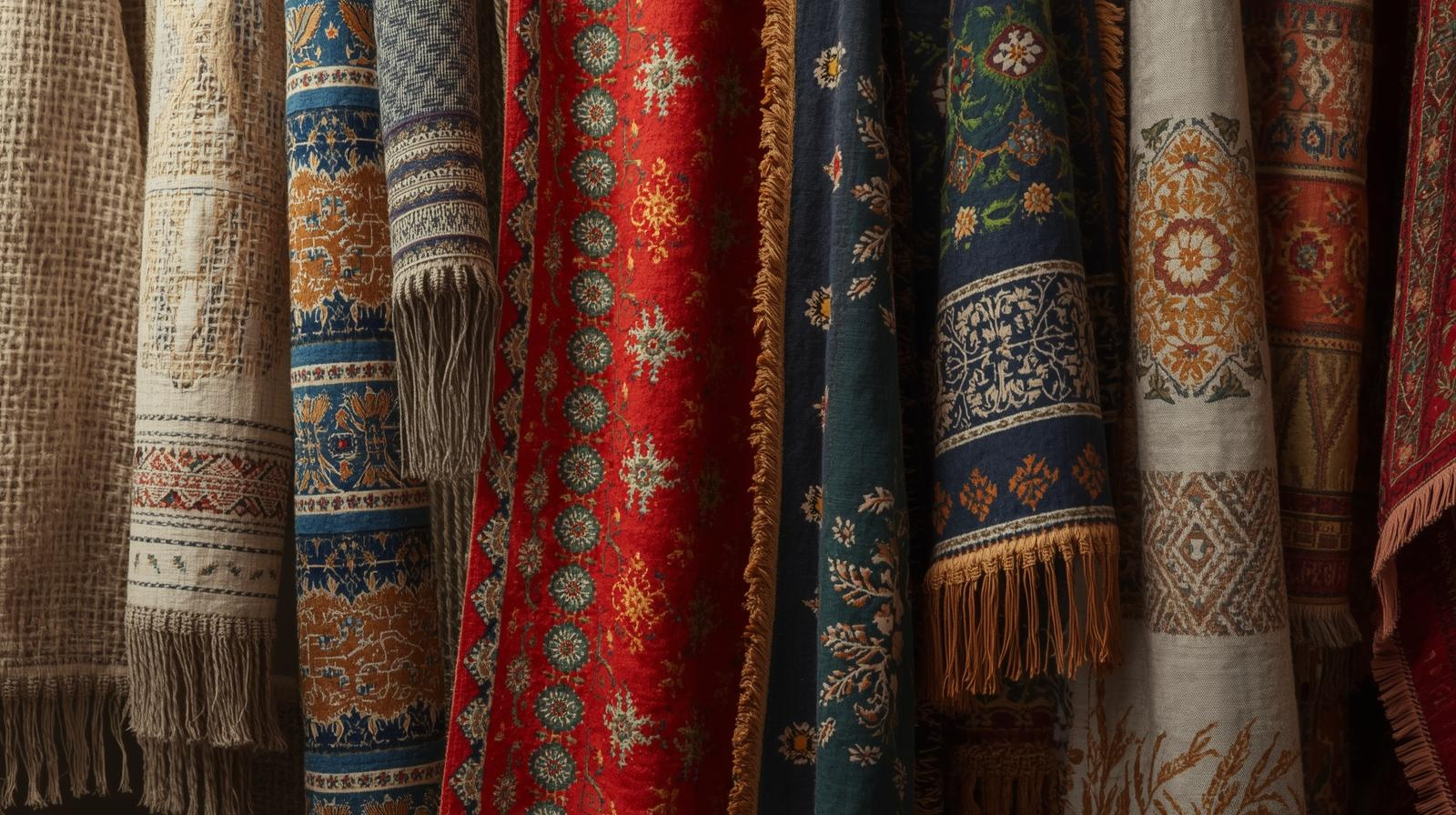
These textiles are not only functional but also deeply symbolic, with patterns representing fertility, harmony, and protection.
Easter Eggs (Margučiai): Miniature Works of Art
Lithuanian decorated Easter eggs are among the most recognisable forms of folk art. Using techniques such as wax‑resist, scratching, and dye layering, artisans create intricate designs featuring spirals, stars, plants, and ancient Baltic symbols.
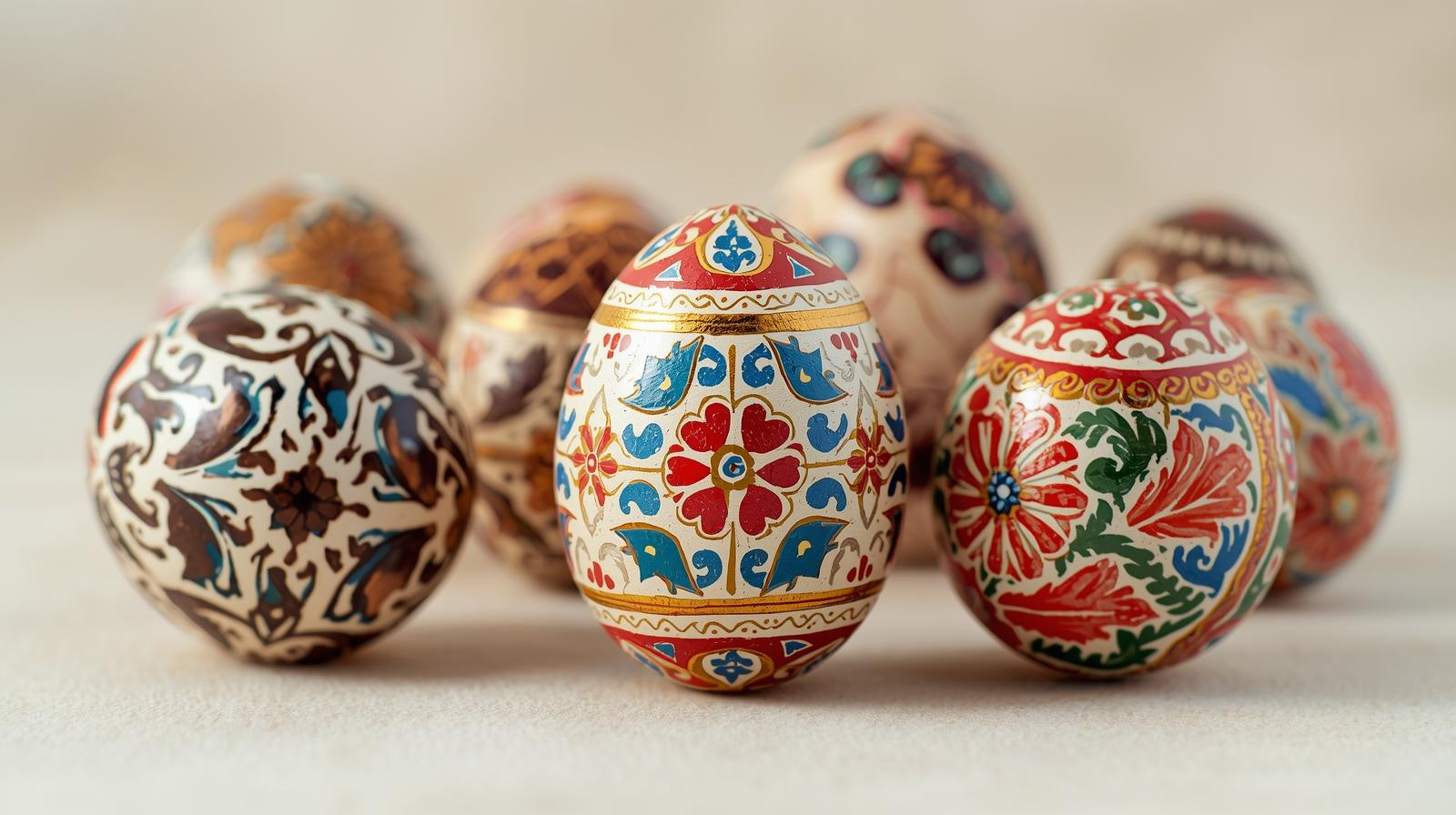
Each egg is unique, and the craft is closely tied to springtime rituals celebrating renewal and the continuity of life.
Pottery and Ceramics: Earth‑Bound Traditions
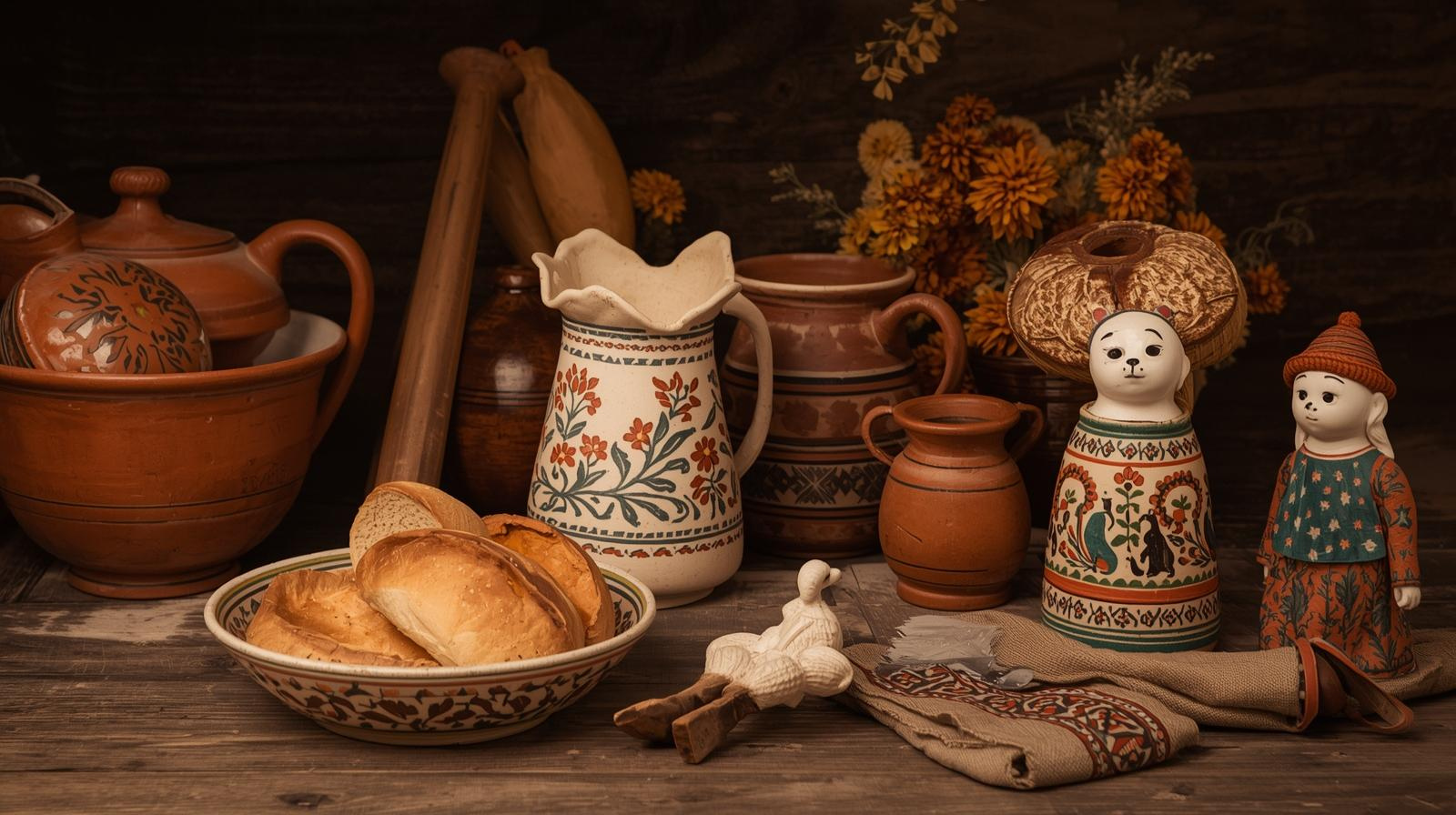
Lithuanian pottery reflects the country’s rural roots and practical sensibilities. Traditional ceramics are typically unglazed or minimally decorated, emphasising natural clay tones and simple forms.
Common items include:
- Pitchers and bowls
- Bread‑baking dishes
- Decorative figurines
Some regions, such as Dzūkija and Žemaitija, developed distinctive styles that remain recognisable today.
Straw Art and Paper Cutting: Delicate Expressions of Creativity
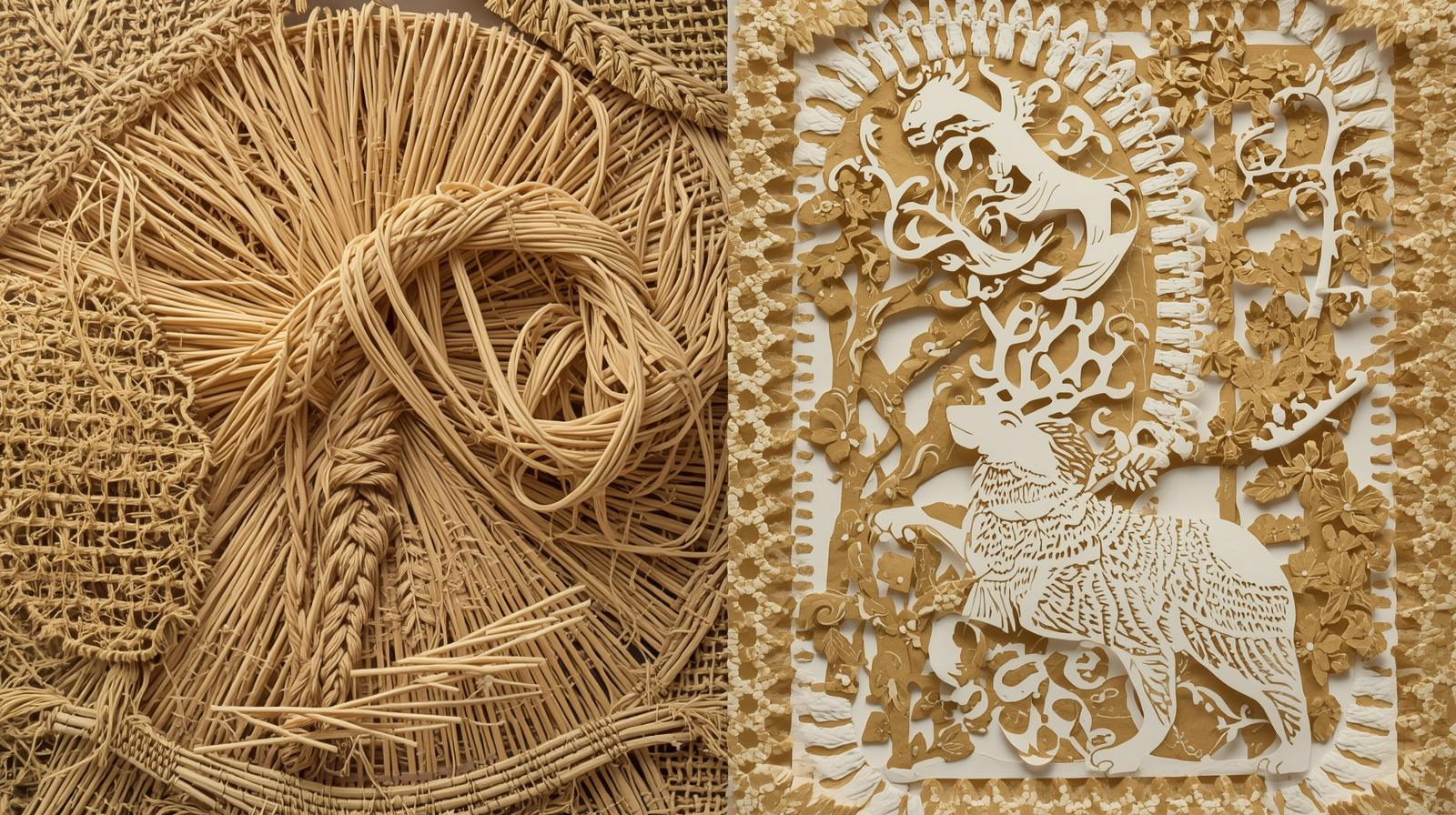
Lithuania is also known for its delicate straw ornaments, traditionally made for Christmas and harvest celebrations. These geometric constructions symbolize harmony and the structure of the universe.
Similarly, paper cutting (karpiniai) is a refined craft used to decorate windows, walls, and festive displays. These intricate designs often depict rural scenes, plants, and mythological motifs.
Folk Costumes: A Celebration of Regional Identity
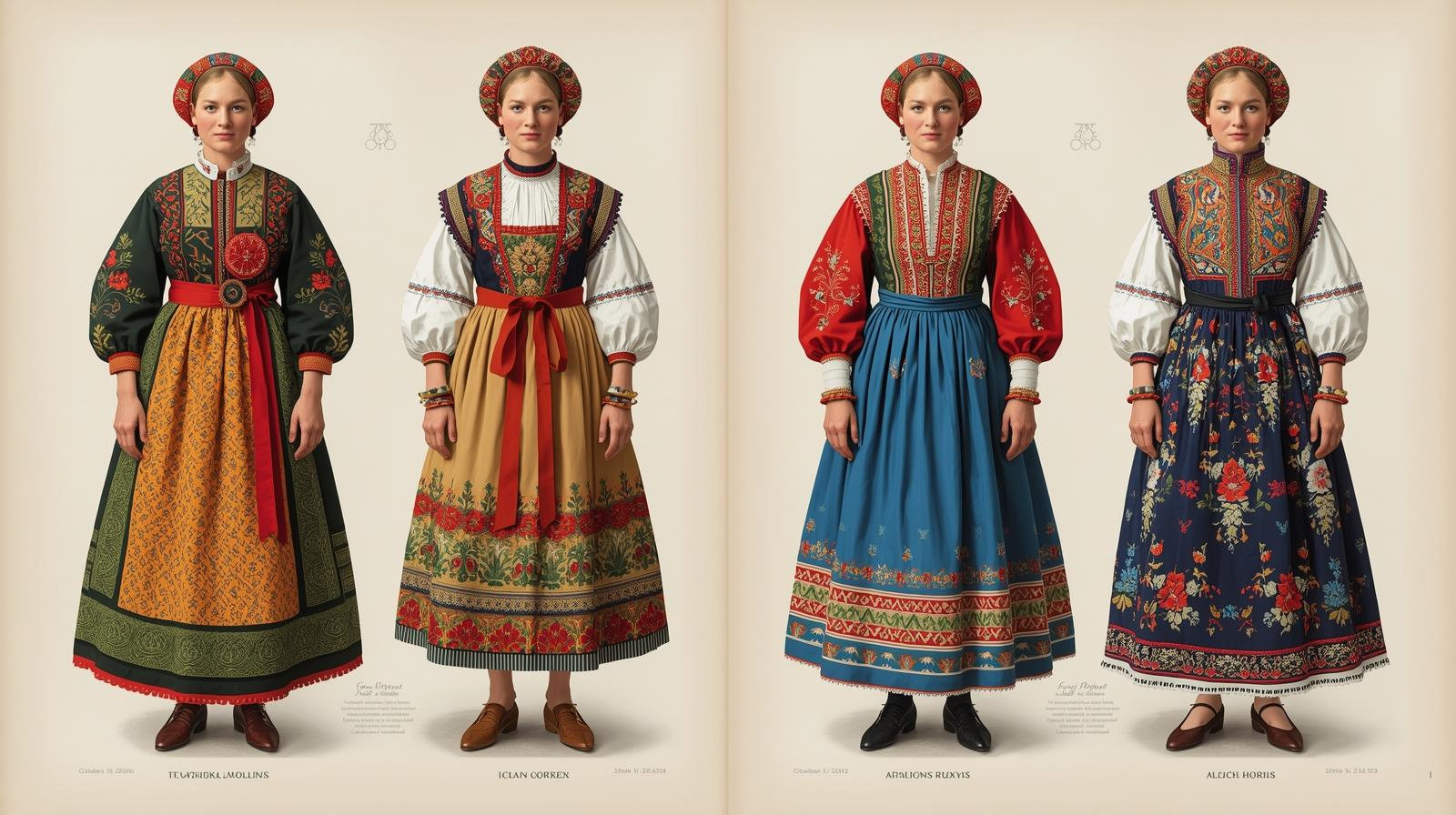
Lithuanian folk costumes are masterpieces of craftsmanship, combining weaving, embroidery, metalwork, and jewellery. Each region has its own distinctive style, reflected in:
- Colour palettes
- Sash patterns
- Embroidery motifs
- Headwear and accessories
These costumes are worn during festivals, national celebrations, and folk dance performances, preserving regional identity and artistic tradition.
Contemporary Revival and Preservation
In modern Lithuania, folk art continues to thrive. Artisans, cultural institutions, and folk art schools work to preserve traditional techniques while encouraging innovation. Annual fairs, such as the Kaziukas Fair in Vilnius, showcase the work of craftspeople from across the country.
Many young artists are rediscovering traditional crafts, blending them with contemporary design and ensuring that Lithuania’s folk art remains vibrant and relevant.
Conclusion
Lithuania’s folk art and craftsmanship represent far more than decorative tradition; they embody the spirit, history, and resilience of the Lithuanian people. Through woodcarving, weaving, pottery, and countless other forms, these artistic practices preserve the stories of past generations while continuing to inspire new ones. As Lithuania moves forward, its folk art remains a powerful link between heritage and modern identity.
Further Reading
Books on Lithuanian History, Culture & Identity Available in the UK
Title: Lithuania: A History
Author: Richard Butterwick
Description: This is a comprehensive, modern history of Lithuania written by a respected historian.
Format:
Book: Paperback
Publisher: C Hurst & Co Publishers Ltd
ISBN: 9781911723608
Number of pages: 488
Dimensions: 216 x 138mm
Language: English
E-reader: Kindle
Available at:
Amazon UK Click Here (paperback) Click Here (Kindle)
Bookshop.org UK Click Here (paperback)Click Here (ebook)
Title: A History of Lithuania (World Histories)
Author: Chester West
Description: A recent, accessible overview of Lithuania’s national story and identity.
|
Publisher |
Independently Published |
|
Publish Date |
June 04, 2025 |
|
Pages |
192 |
|
Language |
English |
|
Type |
Paperback |
|
EAN/UPC |
9798286849925 |
|
Dimensions |
9.0 X 6.0 X 0.4 inches | |
E-Reader: Kindle
Available at:
Amazon UK Click Here(hardback) *Click Here (paperback) Click Here (kindle)
Title: (Inter)Cultural Dialogue and Identity in Lithuanian Literature
Author: Adelheid Rundholz
Available at:
Amazon Click Here (Hardback) Click Here (Kindle)
Bookshop.org UK Click Here–
Waterstones
Description: A cultural‑identity–focused academic book examining Lithuanian literature and identity. Sellers ship to the UK.
Lithuanian History & Culture Books Available in the UK
Title: Lithuania: A History
Author: Richard Butterwick
About: A modern, authoritative overview of Lithuania’s full historical arc.
Title: Lithuanian History: A Captivating Guide… — Captivating History
About: A concise, accessible introduction covering ancient tribes → Grand Duchy → Soviet era → modern Lithuania.
Available at:
Amazon
HardbackClick Here
Paperwork: Click Here
Kindle Click Here
–
Leave a Reply