
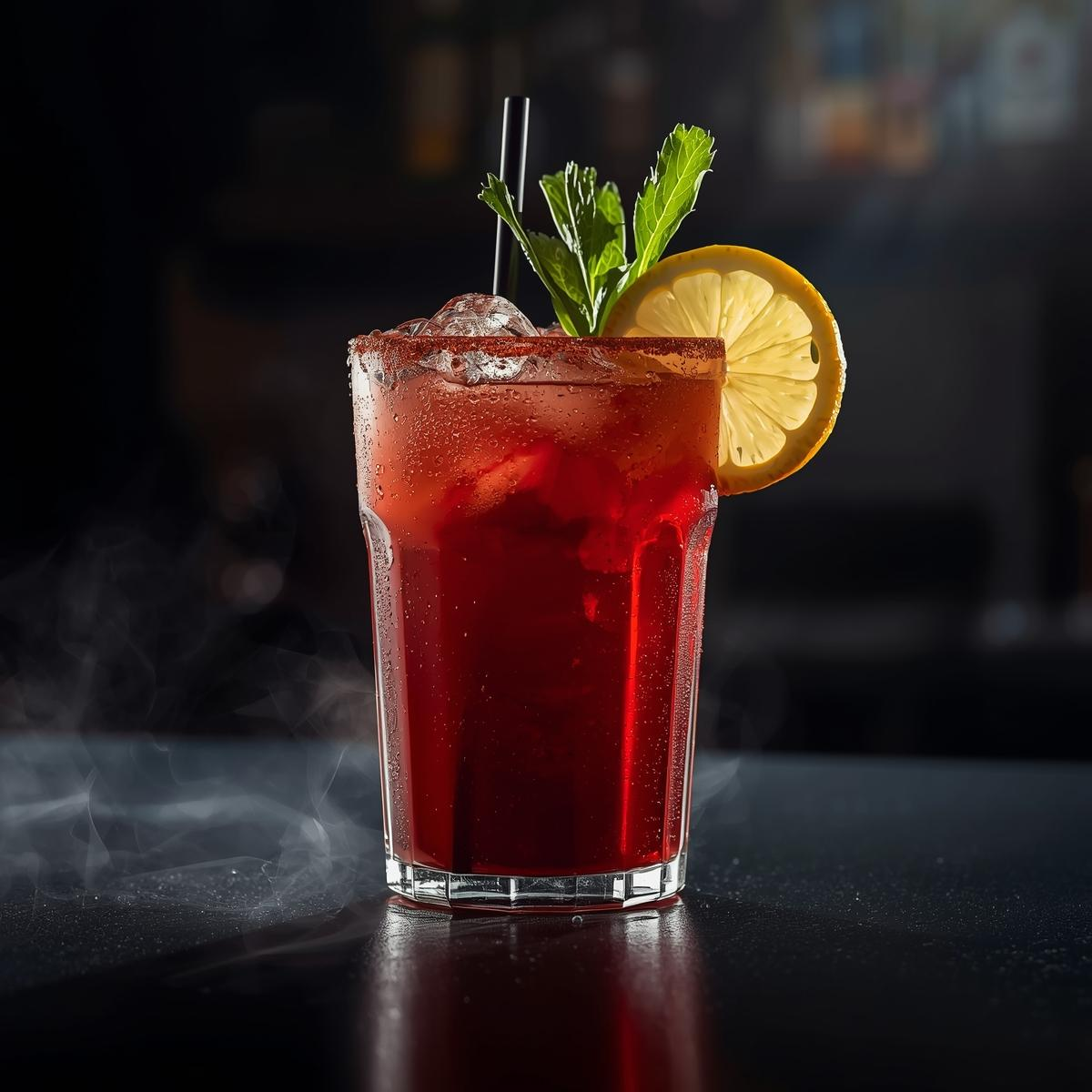
Every year on 1st January, as the world nurses’ collective headaches from New Year’s Eve celebrations, an unofficial holiday arrives at precisely the right moment: Bloody Mary Day. This observance, celebrated in the UK, United States, and beyond, honours the savoury cocktail that has earned its reputation as the ultimate morning-after remedy, though whether it cures hangovers or simply makes them more bearable remains a matter of debate.
What is Bloody Mary Day?
Bloody Mary Day, recognised on 1st January, began in 2016, making it a recent addition to the calendar of food and drink holidays. The timing is no coincidence; it falls strategically on the morning after one of the year’s biggest nights of celebration, when millions of people wake with regrets and reach for remedies.
The day celebrates the Bloody Mary cocktail itself: a complex mix of vodka, tomato juice, lemon juice, Worcestershire sauce, hot sauce, salt, pepper, and various other spices, traditionally served over ice in a tall glass and garnished with celery, olives, pickles, or increasingly elaborate toppings. Unlike most cocktails that lean sweet or fruity, the Bloody Mary stands apart as a savoury, spicy creation that somehow feels more like food than drink.
The Perfect Timing: New Year’s Day Hangover Culture
The placement of Bloody Mary Day on 1st January reflects the drink’s most famous association: hangover recovery. New Year’s Eve is one of the biggest drinking occasions globally, and the morning after brings predictable consequences. The Bloody Mary has long been touted as a hangover cure, though its effectiveness is more folk wisdom than scientific fact.
The theory behind its curative properties’ centres on several components. The tomato juice provides vitamins, minerals, and antioxidants, particularly lycopene and vitamin C. The drink’s sodium content helps replace electrolytes lost through alcohol’s diuretic effects. The spices might stimulate metabolism, and some believe the capsaicin from hot sauce can provide pain relief. Of course, the cocktail also contains “hair of the dog”, more alcohol, which temporarily masks hangover symptoms by maintaining blood alcohol levels, though this only delays the inevitable.
Whether scientifically sound or not, the ritual of a New Year’s Day Bloody Mary has become embedded in brunch culture, particularly in the UK and America, where the drink serves as both comfort and tradition.
The Mysterious Origins of the Bloody Mary
The history of the Bloody Mary cocktail is as murky and contested as the drink itself is bold. Multiple people and places claim to be the birthplace of this iconic concoction, and the truth involves several independent inventions and evolutions.
The most widely accepted origin story attributes the Bloody Mary to Fernand Petiot, who worked at Harry’s New York Bar in Paris and claimed to be the first to discover the Bloody Mary in 1921. Harry’s New York Bar was a legendary establishment frequented by American expatriates, including Ernest Hemingway during the 1920s, when Paris was the centre of artistic and literary culture. Petiot combined vodka with tomato juice, creating a simple version of what would become the Bloody Mary.
However, the story doesn’t end there. The idea of adding a celery stick as a garnish originated at Chicago’s Ambassador East Hotel by accident, a customer didn’t receive a straw, so wound up with a celery stick to mix it, and this accidental innovation became standard. Different bars have claimed various innovations, and the drink evolved from Petiot’s original simple mixture to today’s complex, heavily-spiced versions.
Additional origin claims muddy the waters further. Some attribute the drink’s invention to comedian George Jessel at New York’s 21 Club in the 1930s, while others point to the Hemingway Bar at The Ritz Paris. The reality is that cocktail history often involves parallel development, similar drinks appearing in multiple places around the same time, and the Bloody Mary resulted from bartenders experimenting with the novel combination of vodka and tomato juice.
The Name: Why “Bloody Mary”?

The cocktail’s distinctive name has spawned its own collection of theories, each more colourful than the last. The most historically weighty explanation connects it to Queen Mary I of England, nicknamed Bloody Mary because of the way she tried to bring back the Catholic church to England, by executing Protestants. Mary I, who reigned from 1553 to 1558, earned her grim epithet through the persecution of Protestant reformers, during which approximately 280 religious dissenters were burned at the stake. The cocktail’s red colour from tomato juice creates an obvious visual connection to this bloody historical figure.

Other theories are more light-hearted. Some suggest the drink was named after actress Mary Pickford, known as “America’s Sweetheart “, during the silent film era. Another story involves a waitress named Mary who worked at a Chicago establishment called the Bucket of Blood bar, the drink’s appearance reminded someone of Mary from this colourfully-named venue. Yet another tale claims a bar patron compared the cocktail’s appearance to his girlfriend Mary, whom he’d met at the Bucket of Blood cabaret.
The true origin of the name may never be definitively established, but the Queen Mary I connection remains the most prevalent explanation, linking the drink to one of England’s most controversial monarchs.
From Parisian Invention to Global Phenomenon
After its creation in 1920s Paris, the Bloody Mary’s journey to worldwide fame took several decades. Fernand Petiot brought the cocktail to the United States, introducing it to the St. Regis Hotel’s King Cole Bar in New York City. At the St. Regis, the drink was refined and popularised, though initially under different names due to concerns about the “Bloody Mary” moniker being too crude for the elegant hotel.
Throughout the mid-20th century, the Bloody Mary became firmly established in American drinking culture, particularly as a brunch cocktail. Its acceptance as a morning drink, unusual for most alcoholic beverages, stemmed from its savoury nature and perceived medicinal properties. Unlike sweet cocktails that might seem inappropriate before noon, the Bloody Mary’s vegetable base and complex seasoning made it feel like a healthful meal in a glass.
The drink’s popularity exploded as brunch culture took hold in American and British cities. By the latter half of the 20th century, the Bloody Mary had become synonymous with weekend brunches, hotel breakfasts, and morning-after recoveries. Its status as a hangover remedy, regardless of actual effectiveness, became firmly cemented in popular culture.
Regional Variations and Modern Innovations
Like many classic cocktails, the Bloody Mary has inspired countless variations and regional adaptations. The basic formula remains consistent, but regional preferences and creative bartenders have pushed the drink in numerous directions.
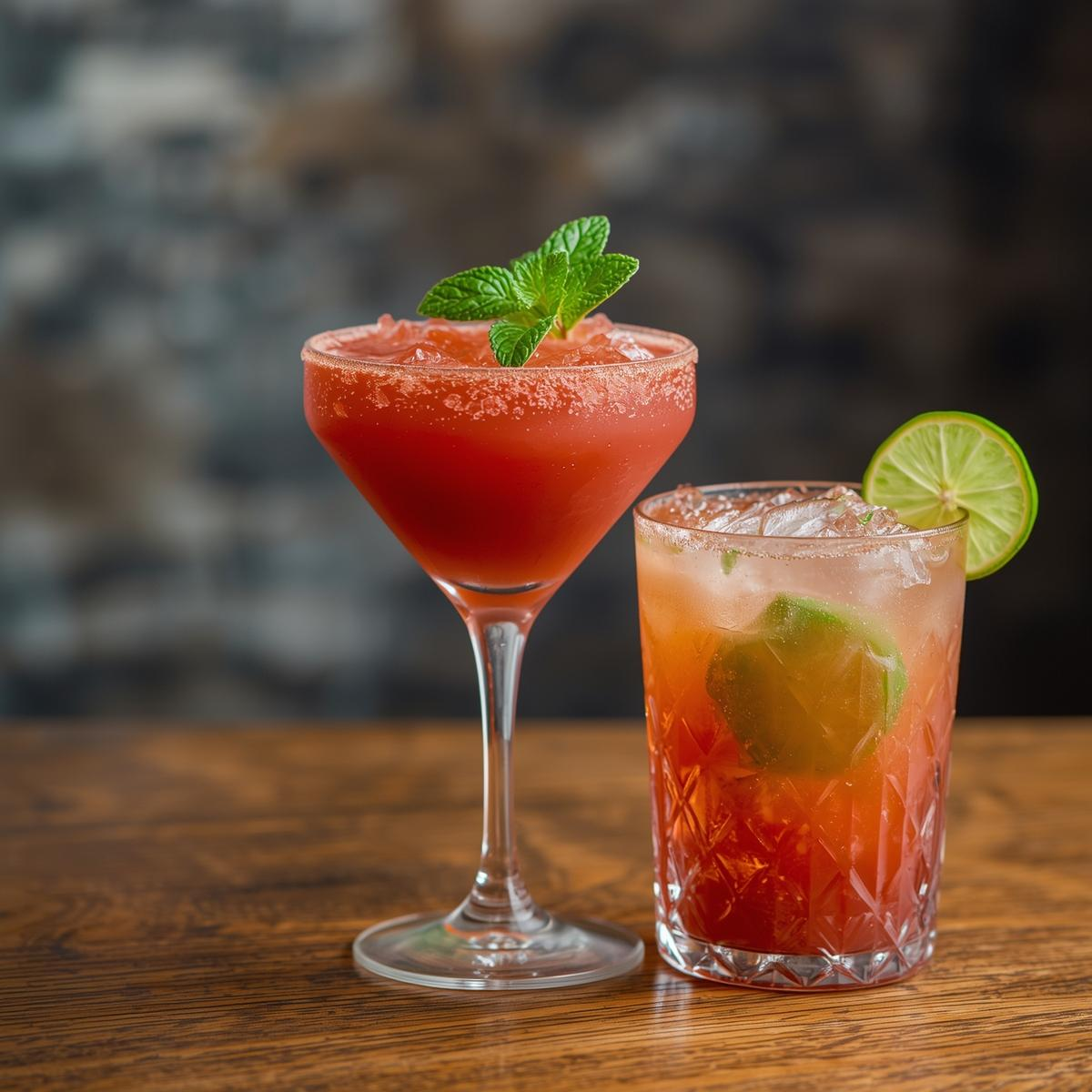
The Bloody Maria substitutes tequila for vodka, giving the drink a distinctly Mexican character. The Red Snapper uses gin instead of vodka, creating a more botanical, complex flavour profile. The Bloody Caesar, popular in Canada, replaces tomato juice with clamato (a blend of tomato juice and clam broth), resulting in a brinier, more umami-forward drink.
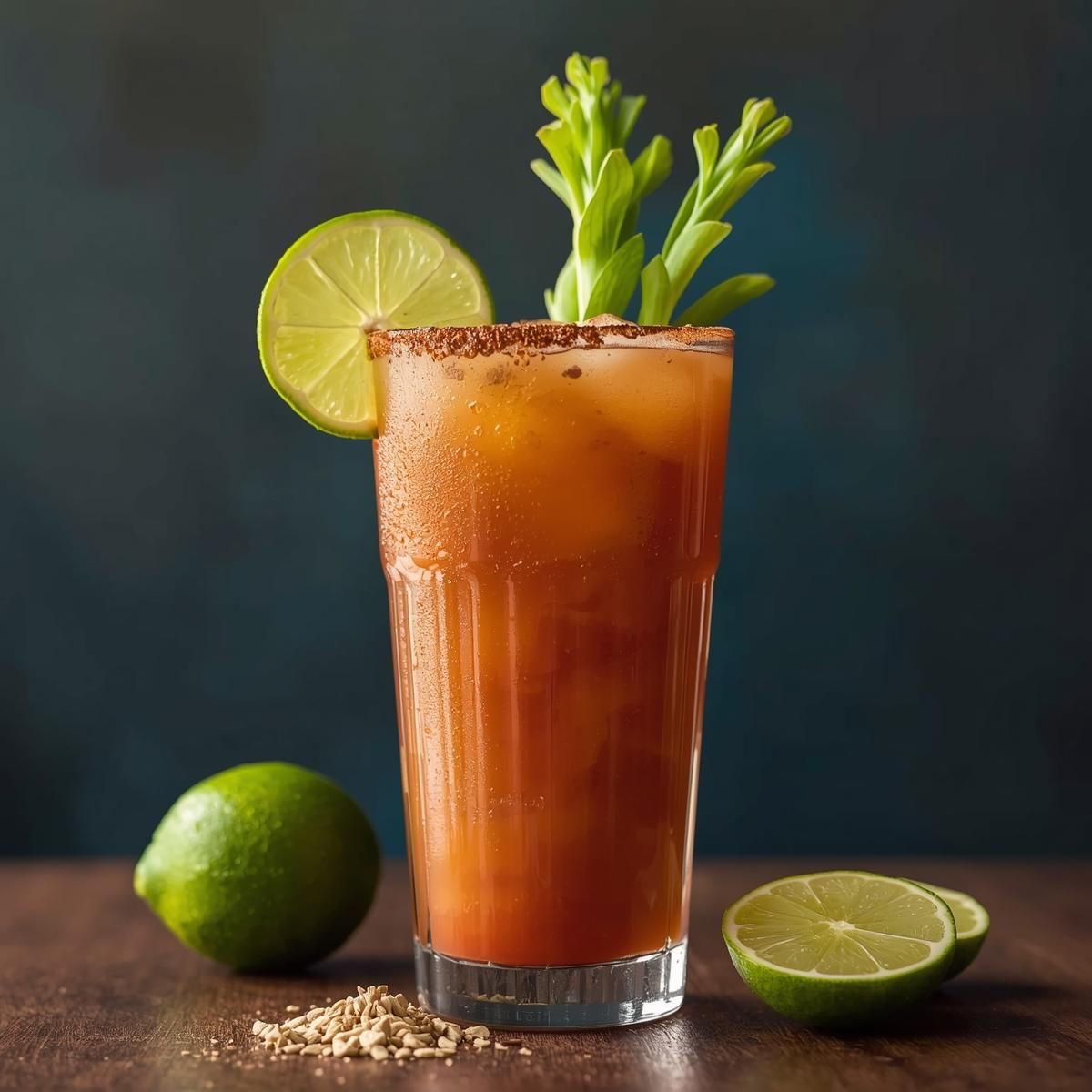
In Mexico, the related michelada mixes beer with lime juice, hot sauce, and spices, creating a refreshing, lower-alcohol alternative. Some versions include tomato juice, bringing them closer to the Bloody Mary tradition.
Contemporary bars have embraced the Bloody Mary as a canvas for culinary creativity. The garnish arms race has produced drinks topped with entire meals: bacon strips, shrimp, crab legs, sliders, chicken wings, cheese cubes, pickled vegetables, and even full lobster tails. Some establishments offer “Bloody Mary bars” where patrons customise their drinks from arrays of spirits, mixers, spices, and garnishes, turning cocktail creation into an interactive experience.
The most expensive Bloody Mary on record was served at the King Cole Bar at New York’s St. Regis Hotel in 2008, featuring premium vodka, caviar, and a lobster tail, with a price tag of $1,000, a far cry from its origins as a simple hangover remedy.
Why the Bloody Mary Endures
The Bloody Mary’s lasting popularity stems from several unique characteristics that distinguish it from other cocktails. First, its savoury profile occupies a space few other drinks claim. While most cocktails trend sweet, fruity, or spirit-forward, the Bloody Mary offers complex umami flavours from tomatoes, Worcestershire sauce, and various seasonings. This makes it particularly suited to morning consumption and food pairing.
Second, the drink’s customisability appeals to modern preferences for personalisation. The level of spice can be adjusted from mild to fire-breathing, garnishes can range from minimal to absurd, and the spirit base can be swapped entirely. No two Bloody Marys need be alike, allowing each drinker to craft their perfect version.
Third, the cocktail bridges the gap between drink and food. Its vegetable base, protein-rich garnishes, and substantial nature make it feel like sustenance rather than mere indulgence. For brunch, a meal that itself bridges breakfast and lunch, the Bloody Mary is the perfect liquid companion.
Finally, the drink carries cultural cachet. Ordering a Bloody Mary signals a certain sophistication and brunch-going lifestyle. It has become embedded in weekend rituals, holiday gatherings, and social occasions where its presence is almost expected.
Celebrating Bloody Mary Day
On the 1st of January, people who love a good Bloody Mary get together to experiment with different versions of the drink. The day provides an excuse, as if one were needed on New Year’s Day, to indulge in this classic cocktail while exploring variations and sharing the experience with friends and family.
Ways to celebrate include hosting a brunch featuring Bloody Marys, organising a Bloody Mary tasting to compare versions from different restaurants or recipes, setting up a DIY Bloody Mary bar where guests can customise their drinks, or attempting to make the perfect Bloody Mary at home using a favourite recipe. Some enthusiasts use the day to explore the drink’s history, learning about its origins and evolution.
For those venturing out, many restaurants and bars offer special Bloody Mary menus on 1st January, featuring creative variations and elaborate garnishes. Making a day of sampling different versions, with appropriate transportation arrangements, can be an enjoyable way to explore local brunch spots while nursing New Year’s Eve hangovers in style.
The Cultural Significance
Beyond being merely a drink holiday, Bloody Mary Day reflects broader cultural attitudes toward alcohol, brunch, and social drinking. The day’s existence acknowledges, with humour and self-awareness, that people will overindulge on New Year’s Eve and will seek remedies the next morning. Rather than moralising about excessive drinking, the observance embraces a pragmatic, even celebratory approach to the morning after.
The Bloody Mary’s status as an acceptable morning cocktail also reveals cultural attitudes about when drinking is appropriate. While ordering vodka neat at 10 AM would raise eyebrows, a Bloody Mary at the same hour is perfectly acceptable, the tomato juice and vegetable garnishes somehow legitimising early alcohol consumption. This says something about how we categorise drinks and when various indulgences are socially sanctioned.
Conclusion: A Toast to Tradition and Innovation
Whether celebrated in London pubs, New York brunch spots, or home kitchens across the UK and beyond, Bloody Mary Day on 1st January has established itself as a fitting way to begin the new year. The holiday honours a cocktail that manages to be simultaneously classic and contemporary, simple and complex, medicinal and indulgent.
From its contested origins in 1920s Paris to its modern incarnations topped with entire seafood towers, the Bloody Mary has proven remarkably adaptable while maintaining its essential character. Its connection to Queen Mary I of England adds historical weight, while its reputation as a hangover cure provides practical purpose. Most importantly, it serves as a delicious, customisable cocktail that brings people together over brunch tables and bar tops.
So, on 1st January, as the new year begins and last night’s celebrations echo in aching heads, raise a celery-garnished glass of this iconic cocktail. Whether you believe in its curative properties or simply enjoy its bold, savoury flavours, Bloody Mary Day provides the perfect excuse to indulge in a drink that has earned its place in cocktail history, one spicy, tomato-infused sip at a time.
Leave a Reply