
 –
–
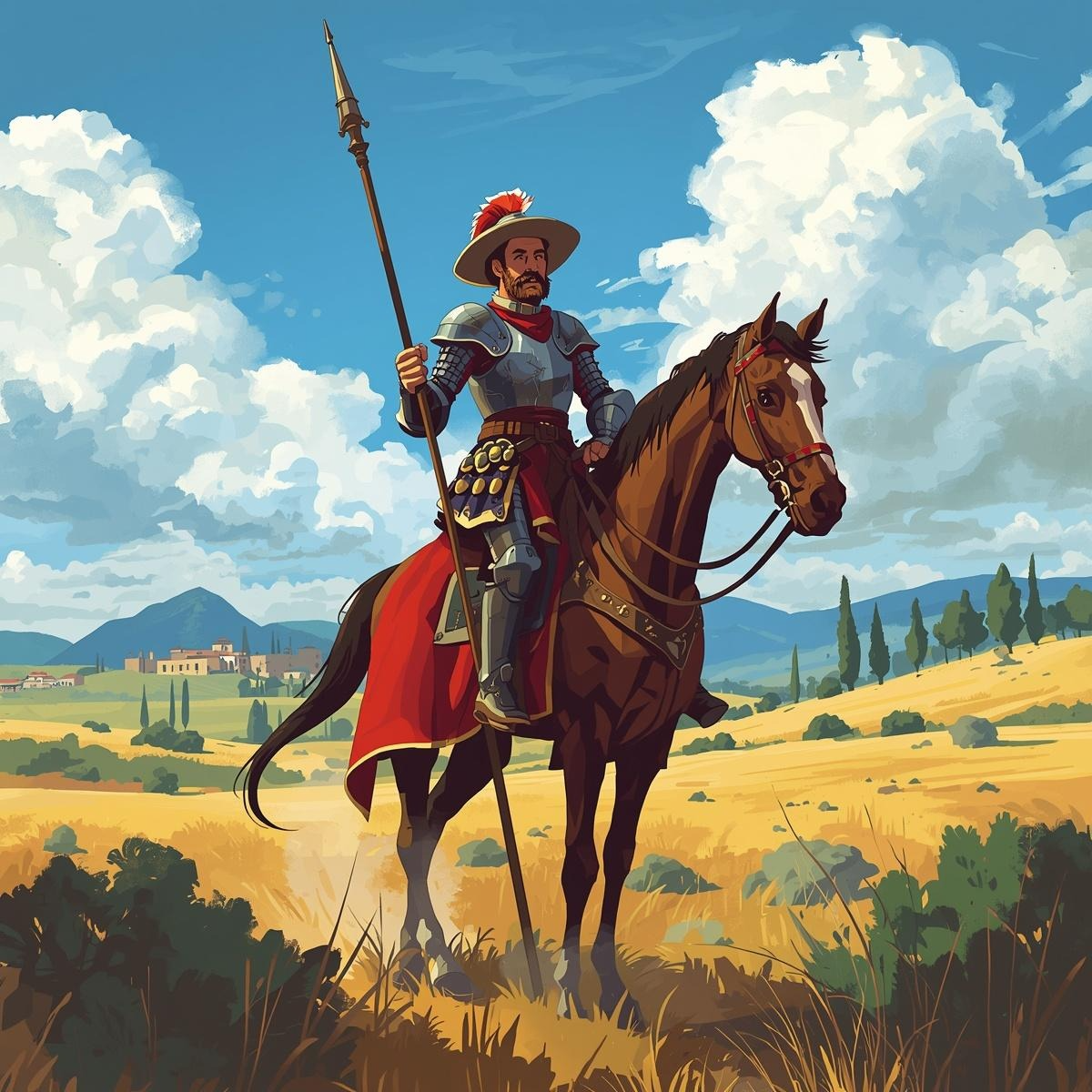
Don Quixote, written by Miguel de Cervantes and published in two parts (1605 and 1615), is widely considered the first modern novel and one of the most influential works in world literature. Its blend of humour, adventure, philosophy, and social commentary has shaped storytelling for more than 400 years.
The novel follows the misadventures of a man who tries to live in a world that no longer matches his dreams, and in doing so, Cervantes created a timeless exploration of imagination, identity, and the human spirit.
The Story of Don Quixote
The novel tells the tale of Alonso Quixano, an aging gentleman from La Mancha who becomes so obsessed with chivalric romances that he decides to become a knight‑errant himself. Renaming himself Don Quixote, he sets out to revive the age of honour, bravery, and noble quests.
Key elements of the story
- Don Quixote’s delusions lead him to see the world not as it is, but as he wishes it to be.
- He recruits a loyal but practical farmer, Sancho Panza, as his squire.
- Together, they embark on a series of misadventures, often comic, sometimes touching.
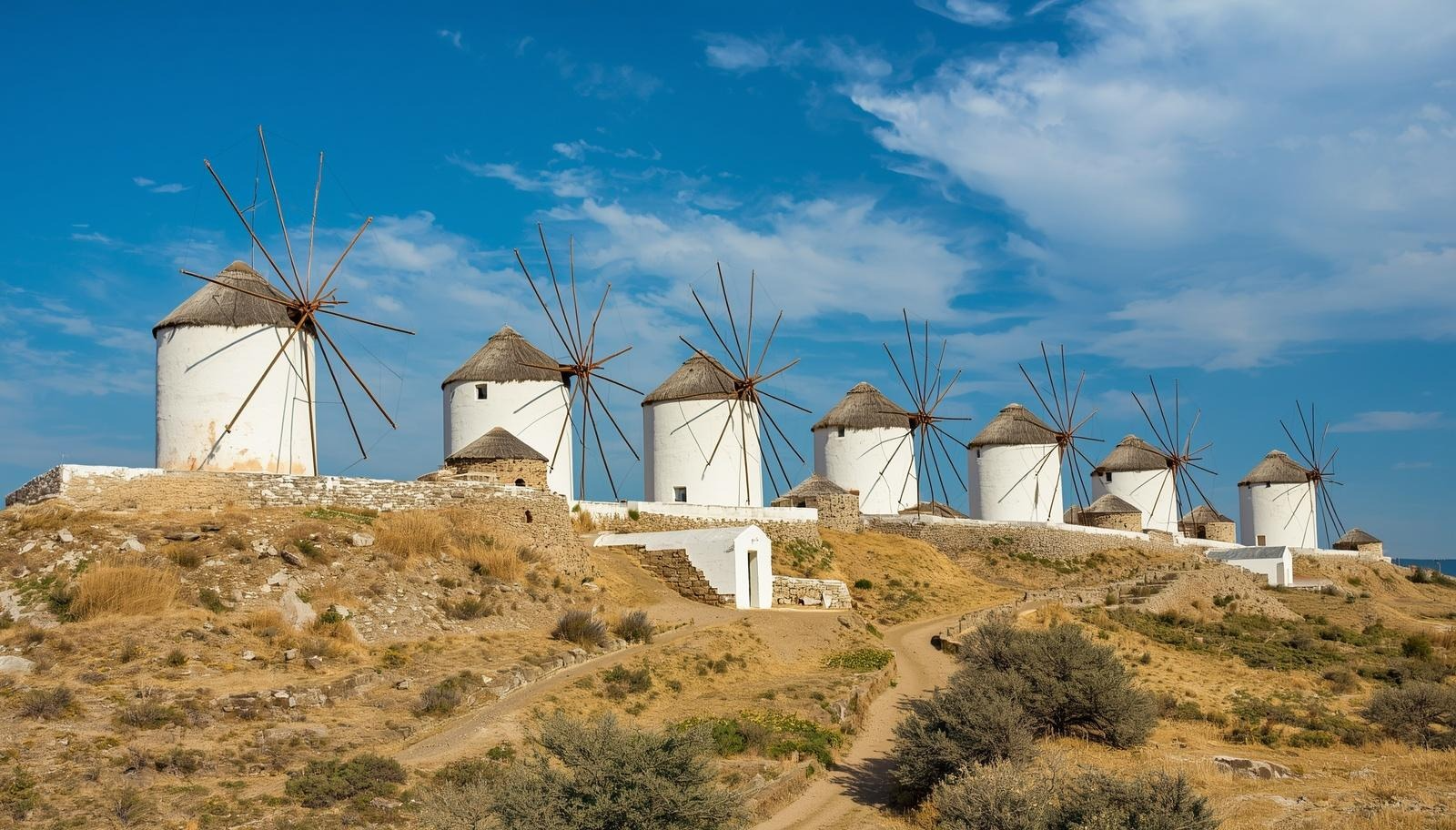
- The most famous scene is Don Quixote attacking windmills, believing they are giants.
- Throughout the novel, reality and imagination collide, raising questions about truth, perception, and idealism.
Despite his foolishness, Don Quixote remains a deeply sympathetic figure. His determination to pursue justice and goodness, even when misguided, makes him one of literature’s most enduring characters.
Themes and Meaning
Cervantes weaves together humour and philosophy to explore themes that still resonate today:
- Idealism vs. reality – Don Quixote sees the world as it should be, not as it is.
- Identity and transformation – Characters reinvent themselves, blurring the line between fiction and life.
- The power of imagination – The novel celebrates creativity while warning against obsession.
- Social criticism – Cervantes critiques class, corruption, and outdated traditions.
- Friendship and loyalty – The bond between Don Quixote and Sancho Panza is central to the story.
These themes are why the novel continues to feel modern, relatable, and emotionally rich.
The Legacy of Don Quixote
Few books have had an impact as wide or lasting as Don Quixote. Its influence can be seen in:
Literature
Writers such as Dickens, Flaubert, Dostoevsky, Borges, and Twain drew inspiration from Cervantes’ narrative style, character depth, and humour.
Art
Artists like Picasso, Dalí, and Goya created iconic images of Don Quixote and Sancho Panza.
Theatre and Film
The story has been adapted into plays, operas, ballets, and films.
The musical Man of La Mancha introduced the famous song “The Impossible Dream.”
Language
The word “quixotic”, meaning idealistic to the point of impracticality, comes directly from the novel.
Cultural identity
In Spain, Don Quixote is a national symbol of imagination, courage, and the struggle between dreams and reality.
Real Places Associated With Don Quixote
Although the novel is fictional, many real‑world locations in Spain are linked to the story and have become part of the “Ruta de Don Quijote” (Don Quixote Route).
1. La Mancha
The region where Don Quixote lives and begins his adventures.
It is known for:
- Wide plains
- Vineyards
- White windmills
- Medieval towns
2. Consuegra
Famous for its 12 iconic windmills, often associated with the “giants” Don Quixote battles.
3. Campo de Criptana
Another town with historic windmills that inspired Cervantes’ descriptions.
4. El Toboso
Home of Dulcinea, the woman Don Quixote imagines as his noble lady.
Visitors can explore:
- Dulcinea’s House Museum
- Medieval streets mentioned in the novel
5. Argamasilla de Alba
Local tradition claims Cervantes began writing Don Quixote here.
The town features:
- The Cave of Medrano (where Cervantes was allegedly imprisoned)
- Monuments dedicated to the novel
6. Puerto Lápice
A village where Don Quixote is “knighted” at an inn, which visitors can still explore today.
These locations form a cultural and literary landscape that attracts readers, scholars, and travellers from around the world.
About the Book Itself
Don Quixote is divided into two parts:
- Part I (1605) – A comedic adventure filled with misunderstandings and satire.
- Part II (1615) – More reflective and philosophical, exploring fame, identity, and the consequences of storytelling.
The novel is celebrated for its:
- Complex characters
- Innovative narrative structure
- Blend of humour and seriousness
- Exploration of how fiction shapes reality
It remains one of the most translated and studied books in history.
A Timeless Masterpiece
Don Quixote endures because it speaks to something universal: the human desire to dream, to strive, and to see the world not only as it is, but as it could be. Cervantes created a story that is both deeply funny and profoundly moving, a novel that continues to inspire readers, artists, and thinkers centuries after its publication.
Don Quixote’s journey reminds us that imagination has power, courage can be found in unlikely places, and even the most impossible dreams can shape the world.
Leave a Reply