
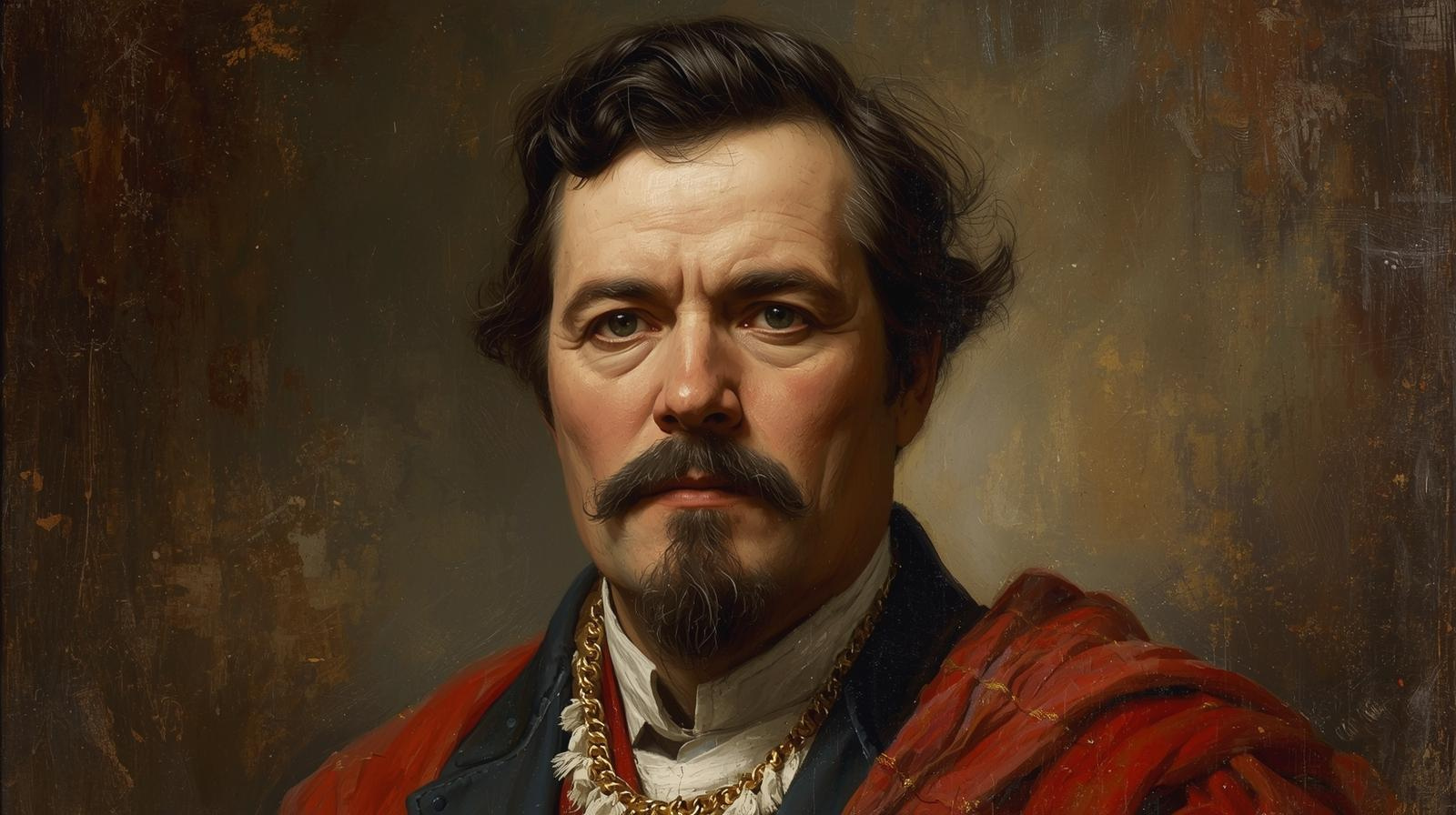
Every third Monday in February, Manitoba observes Louis Riel Day, a provincial statutory holiday that honours one of the most controversial and significant figures in Canadian history. This day, which coincides with the federal Family Day holiday in other provinces, offers Manitobans an opportunity to reflect on the province’s founding, the struggles of the Métis people, and the ongoing journey toward reconciliation.
Who Was Louis Riel?
Louis Riel was a Métis political and spiritual leader who played a pivotal role in defending the rights and land claims of the Métis people during the 19th century. Born in 1844 in the Red River Settlement (present-day Winnipeg), Riel became the voice of a people caught between two worlds, Indigenous and European, during a time of rapid colonial expansion.
Riel is best known for leading two resistance movements: the Red River Resistance of 1869-1870 and the North-West Resistance of 1885. These uprisings were responses to the Canadian government’s failure to recognise Métis land rights and cultural identity as western Canada was being absorbed into the new Dominion of Canada.
The Red River Resistance
When the Canadian government purchased Rupert’s Land from the Hudson’s Bay Company in 1869, the Métis people who had lived there for generations were not consulted. Riel formed a provisional government and negotiated with Ottawa, leading to the creation of the Manitoba Act in 1870. This act established Manitoba as Canada’s fifth province and appeared to protect Métis land rights and cultural practices.
However, the promises made to the Métis were largely broken in the years that followed. Land speculation, delayed land grants, and discrimination drove many Métis people from their homes, forcing them to move further west.
The North-West Resistance and Execution
By 1885, similar grievances had arisen among Métis communities in present-day Saskatchewan. Riel was called back from exile in Montana to lead another resistance. This time, the conflict turned violent, culminating in armed confrontations with Canadian forces.
Riel was captured, tried for high treason, and despite international appeals for clemency and questions about his mental state, he was hanged on November 16, 1885, in Regina. His execution deepened the divide between French and English Canada and sparked decades of debate about justice, colonialism, and national identity.
The Path to Recognition
For more than a century after his death, Louis Riel remained a divisive figure. To some, he was a traitor, to others, a founding father of Manitoba and a champion of Indigenous rights. The Métis community and their allies worked tirelessly to rehabilitate Riel’s legacy and secure recognition for his contributions.
In 2007, the Manitoba government officially renamed the February holiday from “Family Day” to “Louis Riel Day,” making Manitoba the only province to specifically honour Riel with a statutory holiday. The decision reflected growing acknowledgment of Riel’s role in shaping the province and the need to address historical injustices faced by the Métis people.
Observing Louis Riel Day
Today, Louis Riel Day is marked by various cultural and educational events throughout Manitoba. Communities host Métis cultural celebrations featuring traditional music, dance, and food. Museums and heritage sites offer special programming that explores Métis history and Riel’s legacy. Schools use the day as an opportunity to teach students about this important chapter in Canadian history.
For many Manitobans, the holiday serves dual purposes: it’s a day off to spend with family, and it’s also a moment to engage with difficult questions about Canada’s colonial past and the ongoing struggles of Indigenous peoples for recognition and justice.
A Legacy That Endures
Louis Riel’s story raises profound questions about leadership, resistance, justice, and identity that remain relevant today. Was he a visionary leader or a dangerous rebel? A father of Confederation or a traitor to the Crown? For many, he was both and neither, a complex human being navigating impossible circumstances.
The establishment of Louis Riel Day represents more than the commemoration of one person. It acknowledges the Métis Nation’s vital role in Canadian history, recognizes past injustices, and invites ongoing dialogue about reconciliation and the relationship between Indigenous and non-Indigenous peoples in Canada.
As Manitoba continues to grapple with its colonial legacy and work toward a more inclusive future, Louis Riel Day stands as a reminder that understanding our history, in all its complexity and contradiction, is essential to building a more just society. The holiday invites Manitobans not just to remember Louis Riel, but to consider what his story means for the province and the country today.
In honouring Louis Riel, Manitoba honours the resilience of the Métis people and commits to a future where all voices are heard and all histories are recognised.
Leave a Reply