
UK National Pumpkin Day, observed on 26th October, is a seasonal celebration that highlights the cultural, agricultural, and culinary importance of pumpkins across the United Kingdom. Although the observance originated in North America, it has become increasingly recognised in the UK due to the growing popularity of autumn festivals, harvest traditions, and Halloween‑related activities. The day provides an opportunity to appreciate pumpkins not only as decorative symbols of autumn but also as nutritious, versatile ingredients deeply connected to British farming and seasonal food culture.
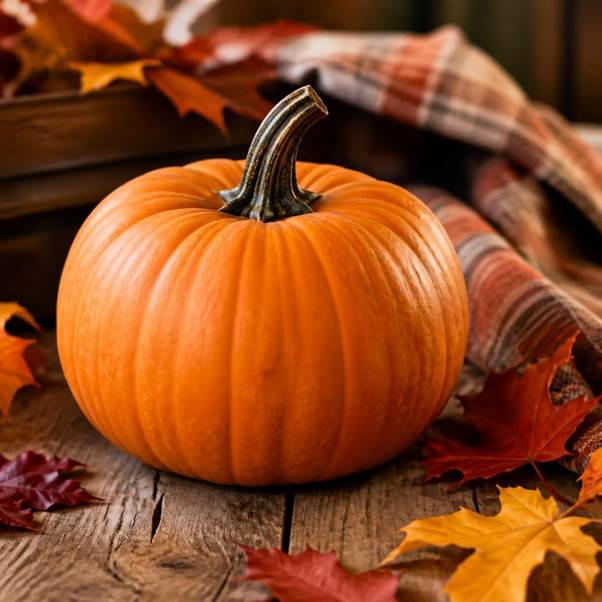
Pumpkins have long been associated with harvest time in Britain, even though their widespread cultivation became more prominent in the modern era. As part of the broader Cucurbitaceae family, pumpkins thrive in the UK’s temperate climate, particularly in regions with fertile soil and strong horticultural traditions. British farms now produce millions of pumpkins each year, with demand peaking in late October as households prepare for Halloween carving, autumn cooking, and seasonal displays. UK National Pumpkin Day therefore, serves as a reminder of the agricultural labour, sustainability practices, and local food networks that support pumpkin production across England, Scotland, Wales, and Northern Ireland.
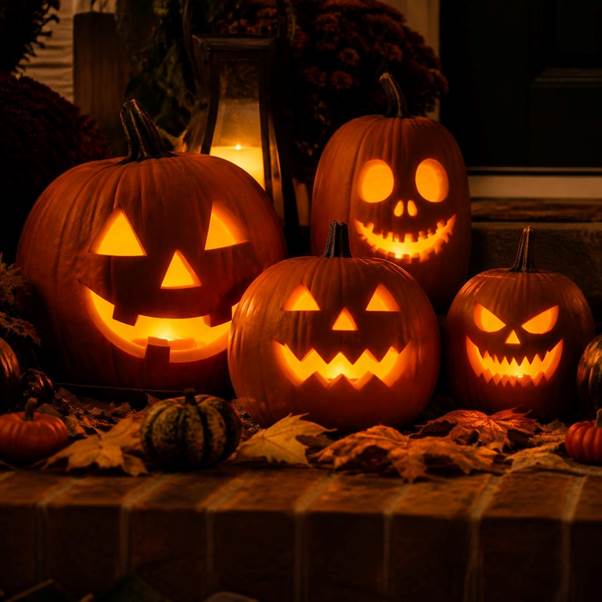
Culturally, pumpkins have /become central to the UK’s autumn identity. Their association with Halloween, especially the carving of jack‑o’-lanterns, has grown significantly since the late twentieth century, replacing older traditions such as carving turnips in parts of Scotland and northern England. Today, pumpkin patches, farm shops, and harvest festivals attract families seeking seasonal experiences, from picking pumpkins to enjoying autumn crafts and outdoor activities. UK National Pumpkin Day celebrates these traditions, emphasising how pumpkins contribute to community engagement, rural tourism, and the festive atmosphere that characterises late October.
From a culinary perspective, pumpkins offer a wide range of possibilities that extend far beyond Halloween carving. British cooks increasingly incorporate pumpkin into soups, stews, pies, breads, and roasted vegetable dishes, reflecting a broader interest in seasonal and locally sourced ingredients. Pumpkins are rich in vitamins A and C, fibre, and antioxidants, making them a nutritious addition to autumn meals. UK National Pumpkin Day encourages households to explore pumpkin‑based recipes, reduce food waste by cooking rather than discarding carved pumpkins, and support sustainable food practices. Many UK food organisations use the day to promote awareness of food waste, noting that millions of pumpkins are thrown away each year after Halloween despite being perfectly edible.
The observance also highlights the creative and artistic potential of pumpkins. Schools, community groups, and local councils often host carving competitions, art workshops, and seasonal displays that showcase pumpkins as mediums for creativity. These activities help foster community spirit and provide opportunities for children and adults alike to engage in hands‑on, imaginative projects. UK National Pumpkin Day therefore functions not only as a celebration of food and farming but also as a platform for artistic expression and cultural participation.
Ultimately, UK National Pumpkin Day reflects the country’s evolving relationship with autumn traditions, local agriculture, and seasonal celebration. By recognising pumpkins as symbols of harvest, creativity, and sustainability, the day encourages communities to embrace the richness of the autumn season. Whether enjoyed through cooking, carving, farming, or festive gatherings, pumpkins continue to play a meaningful role in British cultural life, an importance reaffirmed each year on 26th October.
Leave a Reply