
World Pasta Day, observed annually on 25th October, is an international food‑culture celebration dedicated to recognising pasta’s historical roots, nutritional value, and global cultural impact. Established in 1995 during the first World Pasta Congress in Rome, the day was created by leading pasta manufacturers, food scholars, and culinary organisations to promote pasta as a universally accessible, sustainable, and culturally rich food. Today, World Pasta Day is marked across continents through public events, culinary festivals, educational campaigns, and restaurant initiatives that highlight pasta’s versatility and its role in both traditional and modern cuisine.
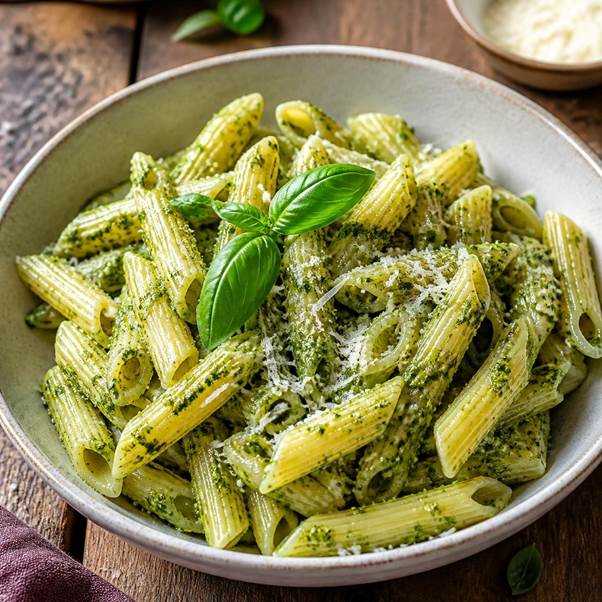
Pasta’s origins are deeply intertwined with Mediterranean food history. Although often associated with Italy, pasta has ancient antecedents in Greek, Roman, and Arab culinary traditions, where early forms of dough‑based foods were boiled, baked, or dried. The widespread development of durum wheat cultivation in the Mediterranean basin enabled the production of dried pasta, which could be stored for long periods and transported across trade routes. By the Middle Ages, pasta had become a staple in Italian cities such as Naples, Palermo, and Genoa, eventually evolving into the diverse shapes and regional styles recognised today. World Pasta Day therefore serves not only as a celebration of a beloved food but also as a reminder of pasta’s long historical journey through agriculture, trade, and cultural exchange.
From a nutritional perspective, pasta is celebrated for its affordability, adaptability, and balanced macronutrient profile. Made primarily from durum wheat semolina, pasta provides complex carbohydrates, plant‑based protein, and essential micronutrients. Its slow‑release energy makes it a central component of the Mediterranean diet, which is associated with positive health outcomes including cardiovascular health and longevity. World Pasta Day often features public‑health campaigns that promote pasta as a sustainable food choice, emphasising its low environmental footprint compared with many animal‑based foods. These campaigns highlight pasta’s ability to pair with vegetables, legumes, and olive oil, reinforcing its role in accessible and nutritious meal planning.
Culturally, pasta functions as a symbol of culinary creativity and regional identity. Italian cuisine alone boasts more than 300 recognised pasta shapes, each associated with specific sauces, cooking techniques, and local traditions. Beyond Italy, pasta has been adapted into countless global dishes, from Ethiopian timatim pasta to American macaroni and cheese, Greek pastitsio, and Japanese wafu pasta. World Pasta Day encourages chefs, home cooks, and food enthusiasts to explore these diverse interpretations, demonstrating how pasta serves as a bridge between cultures. Many countries host cooking demonstrations, food festivals, and educational workshops that showcase pasta’s ability to absorb local flavours and culinary customs.
In recent years, World Pasta Day has also become a platform for innovation within the global food industry. Producers highlight new pasta varieties made from whole grains, legumes, ancient grains, and gluten‑free alternatives, reflecting changing dietary needs and consumer preferences. Sustainability initiatives, such as reducing packaging waste, improving wheat‑growing practices, and supporting local agriculture, are increasingly central to the day’s messaging. These developments illustrate how pasta continues to evolve while maintaining its historical identity as a simple, nourishing, and culturally meaningful food.
Ultimately, World Pasta Day is more than a celebration of a popular dish; it is an acknowledgment of pasta’s enduring role in human history, nutrition, and cultural expression. By bringing together chefs, scholars, producers, and everyday food lovers, the day highlights pasta’s ability to unite communities across borders and generations. Whether enjoyed in traditional recipes or contemporary reinterpretations, pasta remains a global culinary icon, one whose significance is reaffirmed each year on 25th October.
Leave a Reply