
The origins of National Day lie in the events of 1st October 1949, when Mao Zedong proclaimed the founding of the PRC from Tiananmen Gate in Beijing. The first raising of the Five‑Star Red Flag marked the end of decades of conflict and the beginning of a new political era. Since then, the flag‑raising ceremony has been institutionalised as a central ritual of National Day, reflecting both historical memory and contemporary state symbolism. The ceremony is conducted by the People’s Liberation Army (PLA) Honour Guard, whose precise movements, disciplined formation, and ceremonial protocols underscore the solemnity of the occasion.
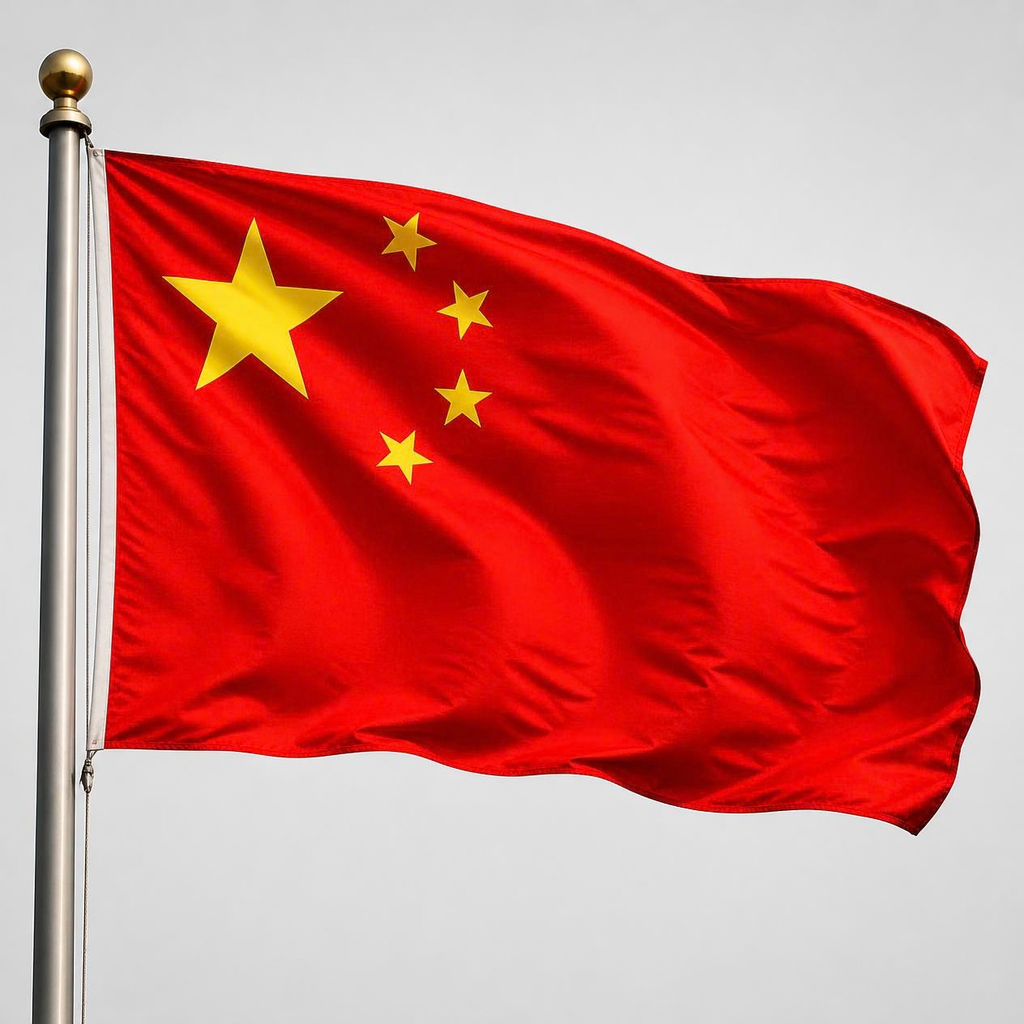
The National Day flag‑raising ceremony in Tiananmen Square attracts tens of thousands of spectators each year. Crowds gather before dawn to witness the moment when the flag ascends in synchrony with the rising sun, a symbolic alignment that represents renewal, hope, and national strength. The ceremony includes a military march, the playing of the national anthem (March of the Volunteers), and the formal salute to the flag. For many Chinese citizens, attending the ceremony is a deeply meaningful experience, reinforcing a sense of collective identity and patriotic pride.
Across China, similar flag‑raising ceremonies take place in provincial capitals, schools, government institutions, and public squares. These local observances reflect the nationwide significance of National Day and ensure that the symbolism of the flag reaches communities far beyond Beijing. Schools often incorporate educational activities that teach students about national history, civic responsibility, and the meaning of the national flag. Government offices and public organisations use the day to reaffirm commitments to national development, unity, and social harmony.
National Day also marks the beginning of the “Golden Week” holiday, a period of travel, family gatherings, and cultural celebration. Cities across China host parades, concerts, exhibitions, and fireworks displays. Public spaces are decorated with red lanterns, banners, and floral arrangements, most famously the large flower basket installation in Tiananmen Square. These festivities complement the solemnity of the flag‑raising ceremony by highlighting cultural heritage, artistic expression, and national achievements.
The flag‑raising ceremony carries diplomatic significance as well. It reflects China’s emphasis on sovereignty, territorial integrity, and national unity, principles central to its foreign policy and international identity. The ceremony’s visibility in global media reinforces China’s image as a stable, unified nation with a strong sense of historical continuity. For international observers, the ritual offers insight into the symbolic language through which China expresses state authority and national pride.
Ultimately, China’s National Day flag‑raising ceremonies serve as powerful reminders of the country’s historical transformation and contemporary aspirations. They blend military precision, civic participation, and cultural symbolism into a ritual that resonates across generations. Each year on 1st October, the rising of the Five‑Star Red Flag reaffirms the values, identity, and unity of the nation, anchoring China’s past while looking toward its future.
Leave a Reply