
Nepal’s Constitution Day flag ceremonies honour one of the country’s most important democratic milestones: the promulgation of the 2015 Constitution, which formally established Nepal as a federal democratic republic. Celebrated every year on Asoj 3 (mid‑September), Constitution Day is marked across the nation with civic rituals, cultural displays, and especially flag ceremonies that symbolise unity, sovereignty, and the shared commitment to democratic values.
The Meaning of Constitution Day
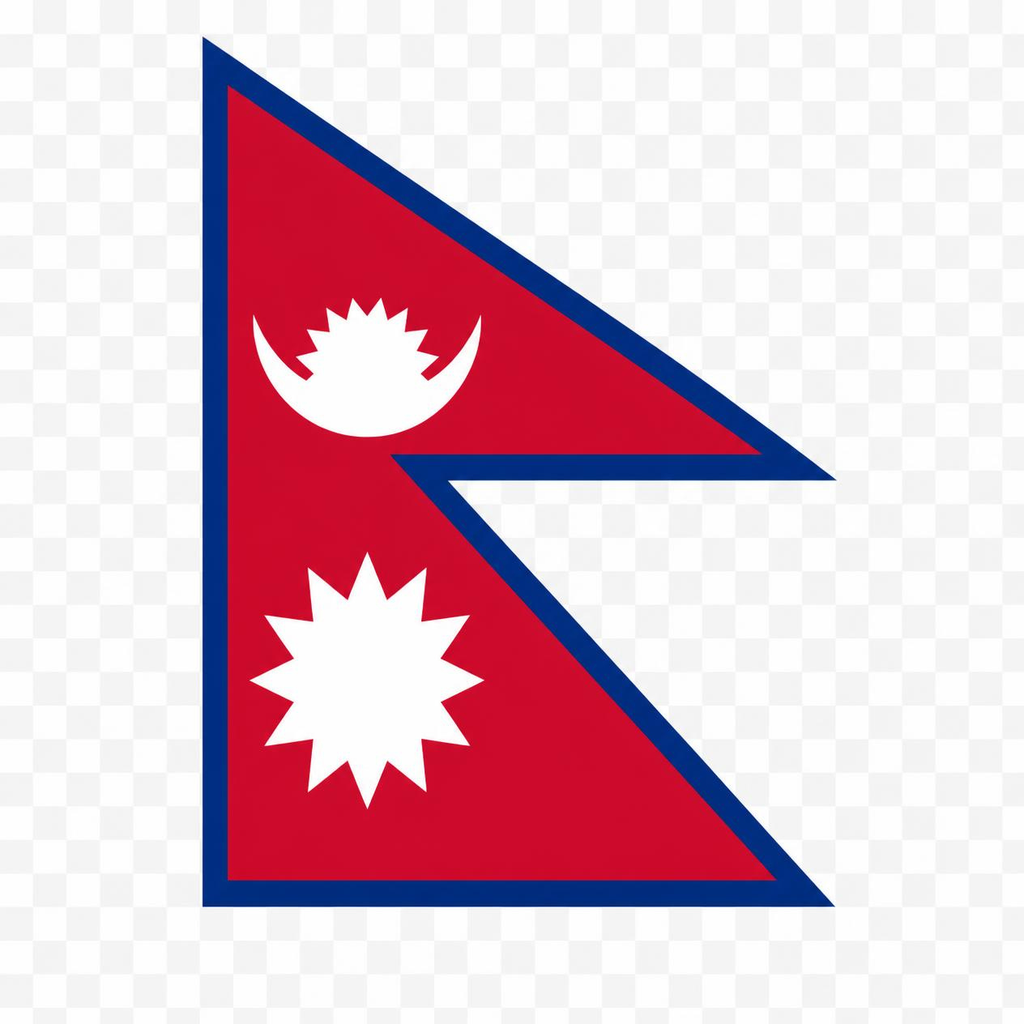
Constitution Day commemorates the moment Nepal entered a new political era after decades of struggle, negotiation, and people’s movements. The 2015 Constitution introduced federalism, strengthened civil rights, and redefined national governance. Flag ceremonies held on this day serve as a visual reminder of these achievements: the national flag represents independence, dignity, and the collective aspirations of Nepali citizens.
Flag Ceremonies Across Provinces
Flag ceremonies are among the most recognisable features of Constitution Day. Government offices, schools, public institutions, and private organisations raise the national flag in a coordinated display of respect. In Bagmati Province, for example, officials decorate rooftops, balconies, and courtyards with the national flag following prescribed guidelines, ensuring that the flag is displayed with proper honour. Public spaces such as Buddha Chowk and Bus Park in Hetauda host formal flag‑hoisting events attended by provincial leaders, civil servants, and community representatives.
These ceremonies often begin early in the morning, with dignitaries, including provincial chiefs, ministers, and assembly members, participating in the official hoisting of the flag. The act is accompanied by national songs, salutes, and reflections on constitutional values.
Civic Rituals and Community Participation
Flag ceremonies are not limited to government venues. Citizens are encouraged to illuminate their homes and neighbourhoods with lamps in the evening, symbolising hope and unity. Schools organise Constitution‑themed activities such as essay competitions, readings, and cultural performances that highlight Nepal’s democratic journey. In some provinces, additional events such as blood donation drives, tree‑planting programmes, and public health camps accompany the flag ceremonies, reinforcing the Constitution’s emphasis on civic responsibility and social welfare.
National-Level Observances
While Constitution Day is distinct from Republic Day, both observances share ceremonial elements. National leaders frequently emphasise constitutional values such as justice, equality, and inclusive development. These messages, delivered during official programmes, reinforce the significance of the flag as a symbol of unity and the Constitution as the nation’s guiding framework.
Why Flag Ceremonies Matter
Flag ceremonies on Constitution Day are more than symbolic gestures, they are collective affirmations of Nepal’s democratic identity. By raising the flag, Nepalis honour the sacrifices made during political movements, celebrate the progress achieved under the federal system, and express hope for continued stability and prosperity. The ceremonies also strengthen civic pride, reminding communities that the Constitution is not merely a legal document but a living foundation for national unity.
Leave a Reply