
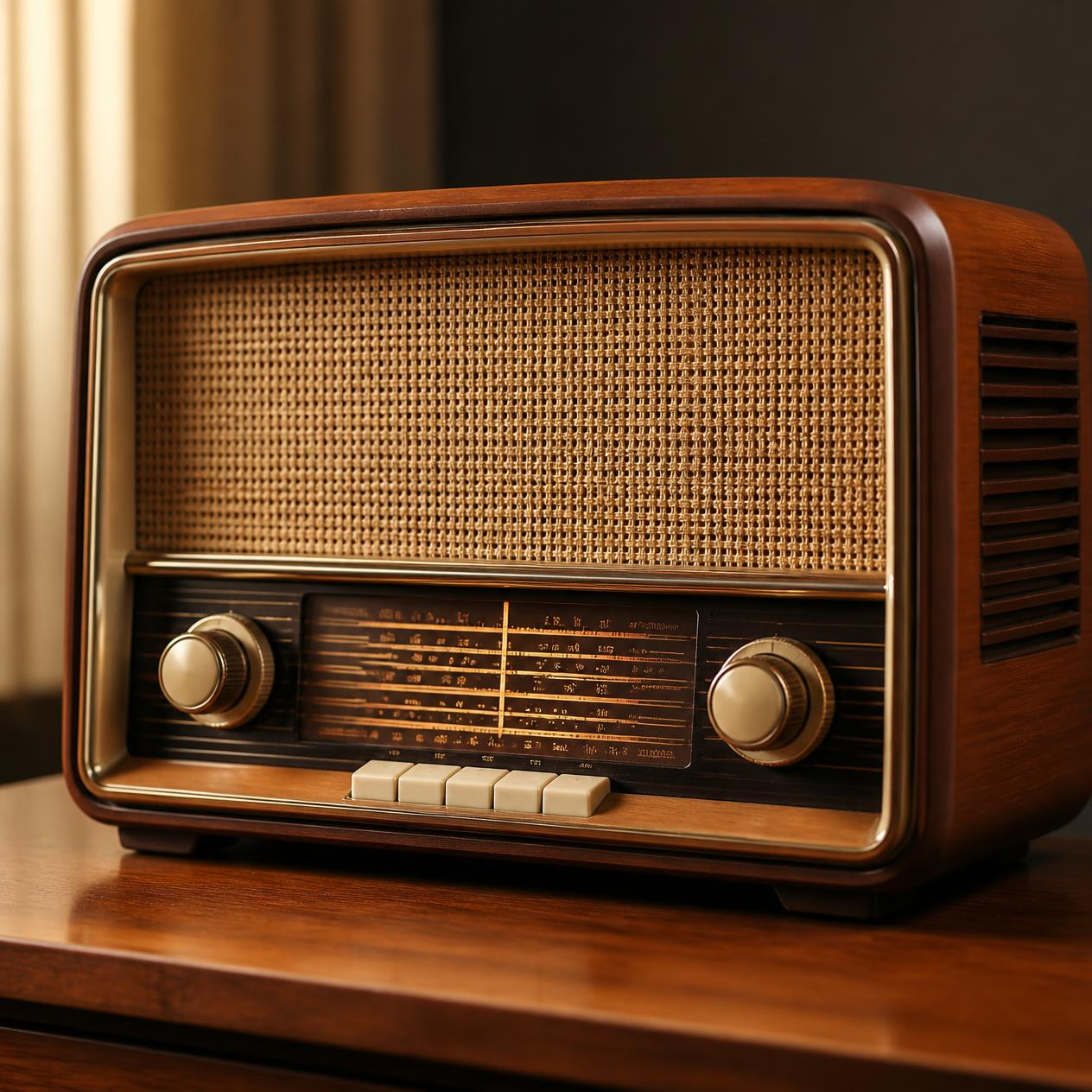
National Radio Day, celebrated every year on 20th August, is the United States’ tribute to one of the most transformative communication technologies ever created. It honours the inventors, broadcasters, stations, and listeners who shaped radio into a cultural, political, and social force, and celebrates the medium’s enduring relevance in the digital age.
What National Radio Day Commemorates
National Radio Day recognises radio’s role in shaping modern life. For more than a century, radio has been a source of:
World Skyscrapers Day
- Breaking news
- Emergency alerts
- Music discovery
- Cultural storytelling
- Public service broadcasting
- Community connection
-
6
It celebrates both the technology and the people behind it: engineers, hosts, producers, journalists, and local volunteers who keep stations running.
Origins of the Day
The exact origin of National Radio Day is debated, but most historians trace its roots to the early 20th century, when radio anniversaries were informally celebrated by broadcasters. The modern observance gained momentum in the 1990s, and by the 2010s, it became widely recognised across the U.S. thanks to community radio networks and public‑broadcasting organisations.
The date, 20th August, is commonly linked to early radio milestones and the desire for a consistent national celebration.
Why Radio Still Matters
Even in an era of streaming and smartphones, radio remains one of the most accessible and trusted forms of communication. It is vital for:
- Emergency response — radio works when mobile networks fail
- Local identity — community stations reflect regional culture
- Music and arts — radio has launched countless artists
- Education — public radio provides free learning resources
- Democracy — talk radio and news broadcasting shape public dialogue
Radio reaches over 90% of Americans weekly, proving its staying power.
How People Celebrate National Radio Day
Across the U.S., celebrations include:
- Listening to favourite stations especially local or independent broadcasters
- Sharing radio memories using the hashtag #NationalRadioDay
- Exploring radio history through museums and archives
- Supporting community radio with donations or volunteering
- Creating DIY broadcasts or podcasts inspired by radio traditions
Many stations host special programmes, interviews, or retrospectives celebrating iconic moments in radio history.
Timeline of Radio’s Evolution
| Milestone | Year |
|---|---|
| First wireless signal | 1895 |
| First commercial radio station | 1920 |
| Golden Age of Radio | 1930s–1950s |
| FM broadcasting expands | 1960s |
| Digital radio & streaming | 1990s–2000s |
| Podcast revolution | 2004 onward |
Cultural Significance
Radio has shaped American culture in countless ways:
- The rise of jazz, rock, and hip‑hop
- Fireside chats and presidential broadcasts
- Radio dramas like War of the Worlds
- Community storytelling and local news
- The birth of talk radio and sports commentary
It remains a medium of immediacy, intimacy, and imagination: a voice that reaches people wherever they are.
Key Takeaway
National Radio Day is a celebration of sound, storytelling, and connection. It honours the inventors who made wireless communication possible, the broadcasters who keep communities informed, and the listeners who keep radio alive. More than nostalgia, it’s a reminder that radio continues to evolve, and continues to matter.
Leave a Reply