
Mexico’s National Tequila Day: A Celebration of Heritage, Craft, and Culture
The 24th July is Mexico’s National Tequila Day, and is one of the most spirited celebrations in the country, and the world takes notice. While an International Tequila Day also falls on the same date and has gained global traction, Mexico’s national observance is rooted in something far deeper: a centuries-long tradition of craftsmanship, cultural identity, and pride in one of the country’s most iconic exports.
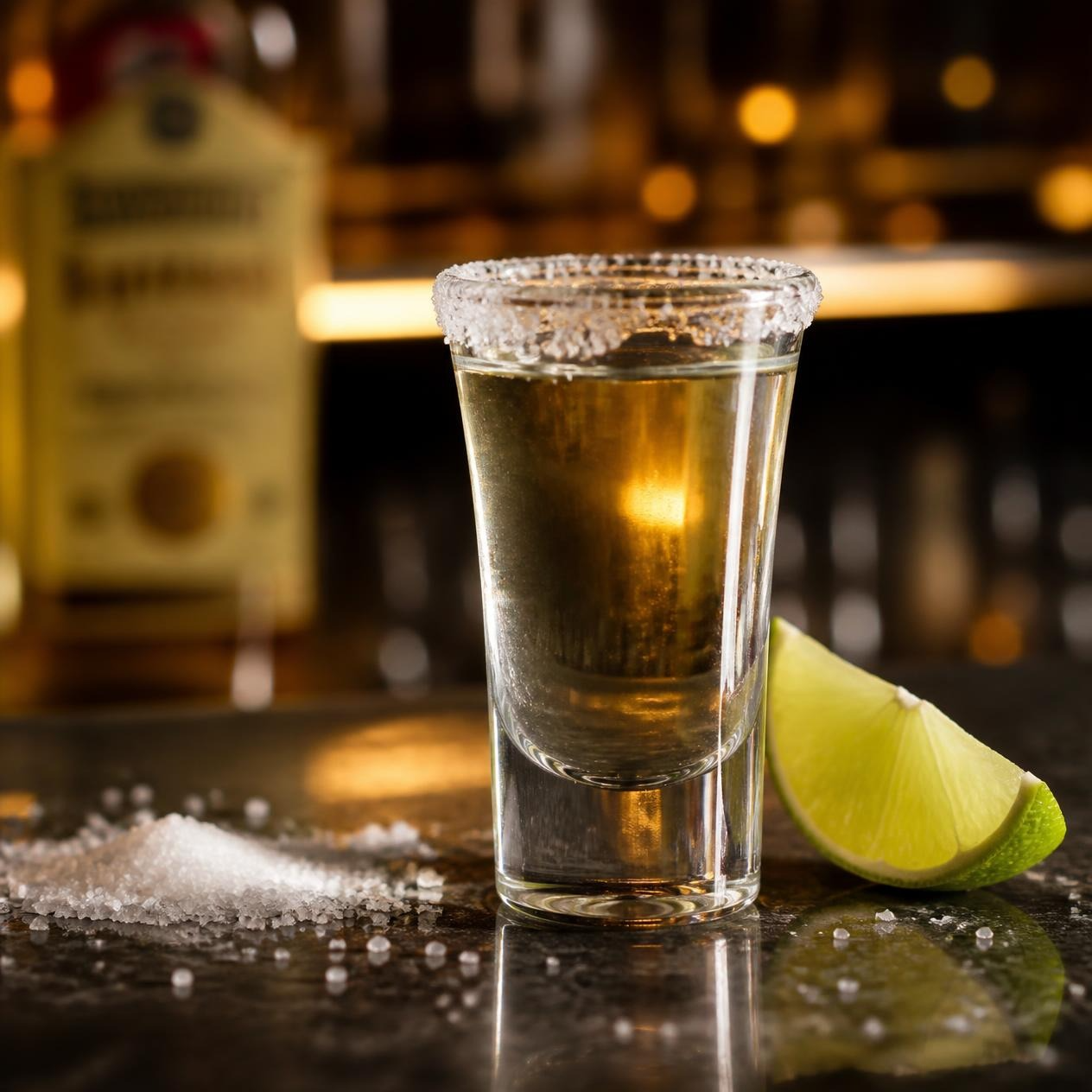
What is Tequila?
Tequila is a distilled spirit made from the blue agave plant (Agave tequilana Weber), grown primarily in the state of Jalisco and a handful of designated regions including Nayarit, Guanajuato, Michoacán, and Tamaulipas. By law, authentic tequila can only be produced within these areas, a designation protected under Mexican law and internationally recognised.
The blue agave takes seven to twelve years to mature before it is ready for harvest. At its heart, the piña, named for its pineapple-like appearance, lies the sweet, starchy core that harvesters called jimadores cut by hand using a sharp blade called a coa. The craft of the jimador is generational, passed down through families for centuries.
A Brief History
Long before the Spanish arrived in the 16th century, indigenous peoples of Mexico were fermenting agave sap into a ceremonial drink called pulque. When Spanish colonisers ran low on their own brandy supplies, they began distilling the agave plant, eventually producing what we now recognise as mezcal, of which tequila is a specific, regulated type.
The town of Tequila, Jalisco, just 65 kilometres northwest of Guadalajara, became the epicentre of production in the 17th century. By 1758, the Cuervo family had established what would become one of the world’s most recognised distilleries. The spirit was formally commercialised in the early 19th century, and by the 20th century, tequila had become a global phenomenon.
In 1974, Mexico declared tequila a national cultural heritage product, protecting its name and production standards internationally. Today, the Tequila Regulatory Council (CRT) monitors every bottle that earns the right to bear the name.
The Types of Tequila
How is Tequila Made?
The production of tequila is a painstaking, labour-intensive process that begins in the agave fields and ends in the bottle.
1. Harvesting — Jimadores harvest ripe blue agave plants by hand, removing the long spiky leaves to expose the piña, which can weigh anywhere from 40 to 90 kilograms.
2. Cooking — The piñas are slow-roasted in large brick ovens or industrial autoclaves to convert their complex starches into fermentable sugars. Traditional brick-oven cooking imparts a smoky sweetness that fans of artisanal tequila often prize.
3. Extraction — The cooked agave is crushed, traditionally by a large stone wheel called a tahona pulled by a horse or mule, to extract the juice, called aguamiel (honey water).
4. Fermentation — The juice is transferred to large vats where yeast converts the sugars into alcohol over several days. The quality of water and yeast strains used here dramatically influences the final flavour.
5. Distillation — The fermented liquid is distilled at least twice in pot stills or column stills to increase alcohol content and refine the spirit.
6. Ageing & Bottling — Depending on the type, the spirit is either bottled immediately (Blanco) or rested in oak barrels for months or years before bottling.
How Mexico Celebrates
On 24th July, Mexico comes alive with festivities honouring this liquid treasure. Celebrations are especially vibrant in Jalisco, with the town of Tequila hosting fairs, live music, mariachi performances, and guided tours of historic distilleries. The scenic Tequila Express, a vintage train ride from Guadalajara through the agave fields to the town of Tequila, is a beloved way to mark the occasion.
Across the country, restaurants and bars hold tastings, masterclasses, and cocktail competitions. Traditional dishes like birria, pozole, and tacos al pastor are paired with the spirit in regional celebrations that blend food, music, and community.
In homes, Mexicans raise a glass and toast with the classic “¡Salud, dinero y amor!” health, wealth, and love.
Tequila on the World Stage
Mexico exports billions of dollars’ worth of tequila annually, with the United States, Europe, and Asia among the top markets. The spirit’s global appeal has surged in recent decades, partly thanks to the rise of premium and craft distilleries producing small-batch expressions that rival the finest aged spirits in the world.
The Denomination of Origin Tequila (DOT), similar to Champagne’s appellation in France, ensures that only spirit produced in the approved Mexican regions from at least 51% blue agave (and 100% for premium “100% agave” labels) can be legally sold as tequila.
The Difference Between Tequila and Mezcal
A common question: tequila is technically a type of mezcal, but not all mezcal is tequila. Mezcal can be made from over 30 varieties of agave across multiple Mexican states. Tequila is specifically made from blue agave and carries stricter production regulations. Mezcal also typically uses pit-roasting, giving it a distinctively smoky flavour absent in most tequilas.
Why It Matters
National Tequila Day is more than an excuse to enjoy a margarita. It is a moment for Mexico to honour the farmers, jimadores, distillers, and communities whose lives are intertwined with the agave plant. It celebrates an industry that supports hundreds of thousands of jobs and sustains entire towns whose identity is inseparable from the blue agave fields that stretch across the volcanic landscape of Jalisco.
Tequila is, at its heart, a story of place, of soil, climate, tradition, and the patient hands that transform a desert plant into one of the world’s great spirits.
¡Salud! 🥃
Leave a Reply