
Chile’s Día de la Bandera (Day of the National Flag), observed every year on 9th July, is one of the country’s most solemn patriotic commemorations. It honours the 77 Chilean soldiers who died in the Battle of La Concepción on 9th–10th July 1882, choosing to defend their flag to the last man during the War of the Pacific.
Introduction
Every 9th July, Chile pauses to remember an act of extraordinary sacrifice. Day of the National Flag (Día de la Bandera) commemorates the courage of the young soldiers of the Chacabuco Regiment No. 6, who fought against overwhelming odds in the Peruvian Andes. Their refusal to surrender, even when surrounded by a force nearly 17 times larger, transformed the battle into a national symbol of loyalty, unity, and devotion to the Chilean flag.
Historical Background: The War of the Pacific
The Battle of La Concepción took place during the Breña/Sierra Campaign of the War of the Pacific (1879–1884). After Chilean forces occupied Lima, Peruvian resistance reorganized in the mountains under leaders such as Colonel Andrés Avelino Cáceres, supported by local farmers and guerrilla fighters. Chilean columns were sent into the highlands to secure towns and suppress resistance, leading to a series of fierce engagements, including the tragic confrontation at Concepción.
The Battle of La Concepción (9–10 July 1882)
The Chilean Garrison
- 77 Chilean soldiers, including two female nurses and even a newborn child
- Commanded by Captain Ignacio Carrera Pinto, descendant of independence leader José Miguel Carrera
- Stationed in the small Andean town of Concepción, Peru
The Peruvian Forces
- Approximately 1,300 fighters, including regular soldiers and guerrillas
- Led by Colonel Juan Gastó and Ambrosio Salazar
- Motivated by local anger toward abuses committed by earlier occupying forces
The Final Stand
For 27 hours, the Chilean garrison resisted repeated assaults. Despite being vastly outnumbered, they refused to lower the national flag. When reinforcements arrived on 10th July, they found the entire detachment dead, the flag torn but still raised above the burned church where the last defenders had fought.
This act of collective sacrifice became one of the most powerful symbols of Chilean military honour.
Creation of the Modern Chilean Flag
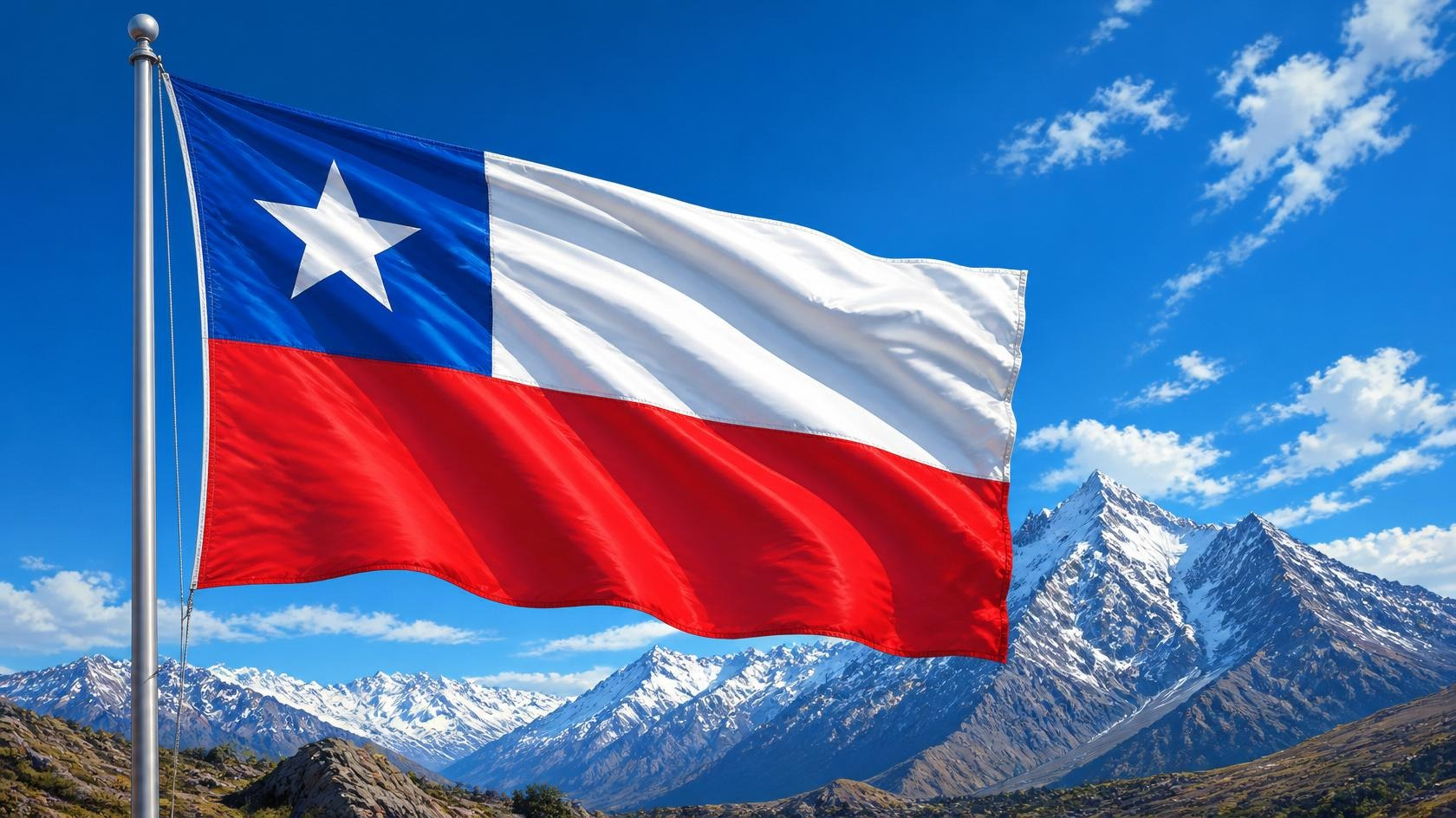
The current Chilean flag, La Estrella Solitaria (The Lone Star), was designed by Bernardo O’Higgins and José Ignacio Zenteno and officially adopted in 1817. Its symbolism includes:
- White — the snow of the Andes
- Red — the blood shed for independence
- Blue — the sky and Pacific Ocean
- White star — unity and a nod to Mapuche symbolism
The flag was first used officially during the Declaration of Independence on 12th February 1818.
Why 9th July?
In 1974, Chile established National Flag Day through Supreme Decree No. 1,100, choosing 9th July to coincide with the anniversary of the Battle of La Concepción. The date also aligns with the tradition of the Oath to the Flag, standardized in 1914 by President Ramón Barros Luco.
Modern Commemorations
Across Chile, 9th July is marked by:
- Military ceremonies honouring the fallen
- Public tributes to the national flag
- Reenactments and educational events about the battle
- Oath ceremonies where members of the Armed Forces swear allegiance to the flag
These events emphasise unity, patriotism, and remembrance of the young soldiers who chose honour over surrender.
Cultural Significance
Day of the National Flag is not merely a military holiday, it is a reflection of Chile’s national identity. It symbolises:
- Courage in adversity
- Loyalty to national values
- Respect for sacrifice
- The enduring power of national symbols
The story of La Concepción continues to be taught in schools, honoured in ceremonies, and remembered as one of the most poignant episodes in Chilean history.
Conclusion
Chile’s Day of the National Flag stands as a solemn tribute to the 77 soldiers who defended their flag with unwavering resolve. Their sacrifice at the Battle of La Concepción transformed a tragic defeat into a lasting symbol of national pride. Each year on 9th July, Chileans honour not only the flag itself but the values of courage, unity, and devotion that it represents.
Leave a Reply