
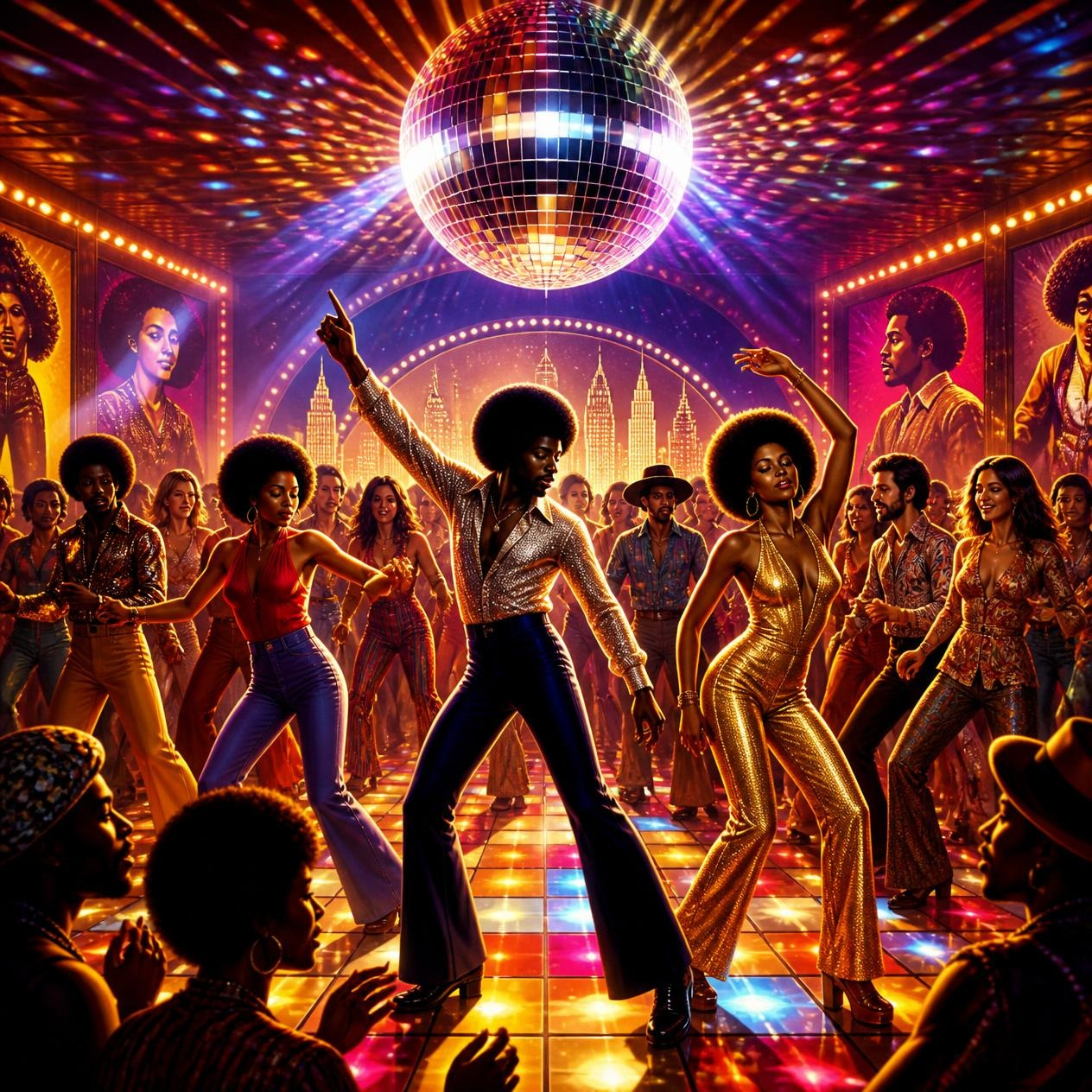
USA Disco Day is an annual celebration of one of America’s most vibrant cultural movements, the disco era of the 1970s. More than a nostalgic nod to glittering dance floors and mirror balls, the day honours a transformative moment in American music history when rhythm, fashion, identity, and community collided to create a cultural revolution.
Origins of Disco
Disco emerged in the early 1970s from the underground club scenes of New York City, Philadelphia, and Chicago. It was shaped by African American, Latinx, and LGBTQ+ communities who used dance floors as spaces of joy, liberation, and self‑expression.
Key influences included:
- Soul and funk rhythms
- Latin percussion
- European electronic music
- Gospel‑inspired vocals
By the mid‑1970s, disco had exploded into mainstream America, with artists like Donna Summer, Gloria Gaynor, The Bee Gees, Chic, and KC and the Sunshine Band defining the sound of a generation.
Why USA Disco Day Matters
USA Disco Day isn’t just about music, it’s about celebrating the social and cultural impact of disco.
1. A Celebration of Diversity
Disco was one of the first major American music movements where marginalized communities shaped the mainstream. Clubs like Studio 54, Paradise Garage, and The Loft became sanctuaries of acceptance and creativity.
2. A Revolution in Dance Culture
Disco popularized synchronized dance moves, dance competitions, and the idea of the nightclub as a cultural hub. It paved the way for modern club culture, electronic dance music, and DJ‑driven performance.
3. A Fashion Phenomenon
Sequins, jumpsuits, platform shoes, metallic fabrics, and bold colours defined the era. Disco fashion remains iconic and continues to inspire designers today.
4. A Musical Legacy
Disco’s influence is still heard in:
- House music
- Pop
- Electronic dance music (EDM)
- Nu‑disco revival tracks
Modern artists like Dua Lipa, Bruno Mars, and Daft Punk have revived disco elements for new generations.
How USA Disco Day Is Celebrated
Across the United States, USA Disco Day is marked with themed events, retro parties, and community celebrations.
Common activities include:
- Disco dance nights with classic 70s playlists
- Costume parties featuring glitter, sequins, and vintage glam
- Roller‑skating events inspired by disco rinks
- Tribute concerts honouring legendary disco artists
- Community workshops teaching iconic dance moves like the Hustle
Many cities host outdoor festivals, while clubs revive the golden age with themed décor, DJs spinning vinyl, and dance competitions.
The Cultural Impact of Disco
Disco reshaped American culture in ways that still resonate today:
- It democratised dance music, making rhythm‑driven tracks central to pop culture.
- It empowered communities seeking visibility and acceptance.
- It introduced new production techniques, extended mixes, remix culture, and DJ‑centred performance.
- It influenced film and media, from Saturday Night Fever to modern nostalgia‑driven productions.
USA Disco Day celebrates all of this, not just the music, but the movement.
Conclusion
USA Disco Day is more than a retro celebration. It’s a tribute to a cultural force that transformed American music, fashion, nightlife, and identity. Disco’s legacy continues to shine, reminding us of a time when dance floors brought people together and rhythm became a universal language.
Whether you’re spinning vinyl, dressing in sequins, or learning classic dance steps, USA Disco Day invites everyone to celebrate joy, unity, and the beat that changed America.6
Leave a Reply