
Sweden’s National Day and Swedish Flag Day, both celebrated on 6th June, honour the country’s history, independence, and national symbols. The date marks two defining moments: the election of Gustav Vasa as king in 1523 and the adoption of a new constitution in 1809.
Origins and Historical Significance
- Gustav Vasa’s election (1523): His rise to the throne ended the Kalmar Union and established Sweden as an independent nation.
- The 1809 Constitution: This reform reshaped Sweden’s political structure by clarifying the roles of parliament, the courts, and the monarchy.
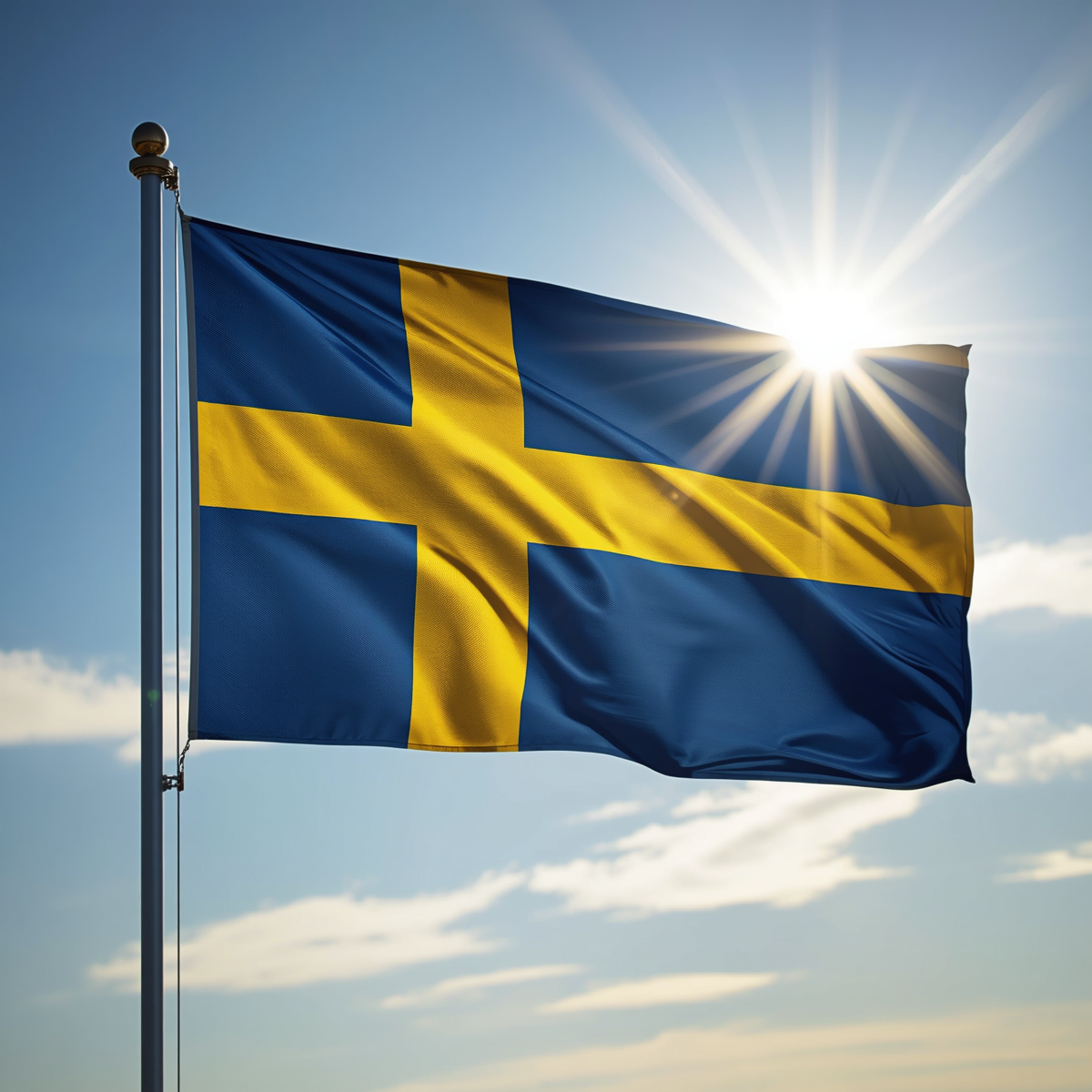
- Swedish Flag Day (1916): The tradition began as a celebration of the blue‑and‑yellow flag and national unity.
- National Day (1983): The Swedish parliament officially renamed the day “Sweden’s National Day.”
- Public holiday (2005): After decades of debate, 6th June became a national holiday, replacing Whit Monday.
How Swedes Celebrate Today
Although Sweden’s National Day is more low‑key than many countries’ national holidays, it has grown in popularity in recent years.
Key Traditions
- Royal ceremonies: The King and Queen participate in celebrations at Skansen, Stockholm’s open‑air museum, where children in traditional dress present flowers.
- Flag‑raising events: The Swedish flag is displayed across public buildings, parks, and homes.
- Welcoming new citizens: Municipalities hold official ceremonies to welcome newly naturalized Swedes.
- Community gatherings: Picnics, concerts, and outdoor activities fill parks and public spaces, especially in Stockholm, Gothenburg, and Malmö.
- Traditional foods: Many enjoy Sverigebakelsen, a marzipan‑and‑strawberry pastry created for the holiday.
Where Celebrations Are Most Vibrant
- Skansen, Stockholm: The heart of the national celebration, featuring folk music, historical reenactments, and the official flag ceremony.
- Royal Palace: Parts of the palace open to the public free of charge, an increasingly popular tradition.
- Citywide events:
- Stockholm: National Day Gallop at Gärdet and concerts across the city.
- Gothenburg: Open‑air symphony concerts in Slottsskogen.
- Malmö: Speeches, music, and citizenship ceremonies in Stortorget.
The Spirit of the Day
Sweden’s National Day blends history, quiet pride, and community. Unlike more exuberant national holidays elsewhere, Swedes often celebrate with simplicity, time outdoors, family gatherings, and cultural events. Yet the day continues to grow in significance, reflecting a modern sense of identity and belonging.
Leave a Reply