
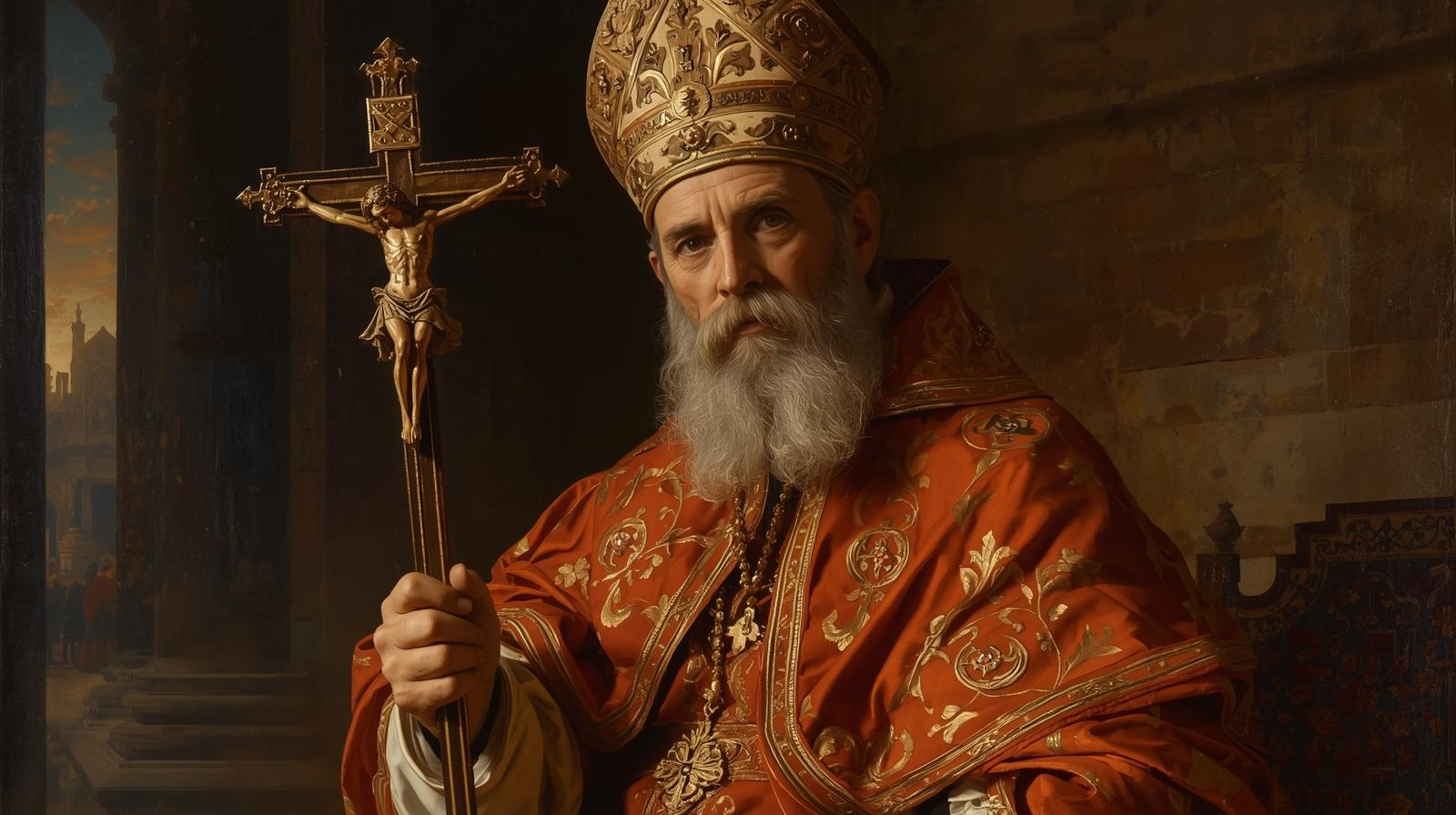
Saint Sylvester I, pope from 314 to 335, is remembered for guiding the Church through a pivotal era as Christianity transitioned from a persecuted faith to an imperial-era religion. His life is less documented than the church’s legends about him, but his papacy coincided with the Council of Nicaea and the establishment of a more organized, publicly visible Christian church in the Roman Empire. He is traditionally associated with the feast of Saint Sylvester on 31st December, which has grown into New Year’s Eve in many cultures, including France.
Overview of life and legacy
Early life and papacy: Little is known about Sylvester’s youth; he became pope in the early 4th century and led the papacy for about 21 years. His tenure occurred during Constantine the Great’s reign, a period when Christianity emerged from underground status and began shaping imperial policy. This era set the stage for defining church authority and organizing ecclesiastical structure. His role is often framed as safeguarding the independence of the Church while navigating imperial influence. These elements are widely cited in Church histories and hagiographies.
Council of Nicaea and theological influence: The Council of Nicaea (325) was a major milestone in historic Christianity, addressing Arian controversy and establishing foundational creedal statements. Sylvester’s delegation to the council helped ensure the Church’s positions were represented. This period reinforced the papacy’s central role in doctrinal unity, a key part of his legacy in medieval church-state thinking.
Legends and miracles: Medieval tradition often links Sylvester with miracles and with Emperor Constantine, including stories of baptism and cures. While modern scholarship treats many of these accounts as legendary or symbolic, they contributed to Sylvester’s enduring image as a stabilizing and sanctifying figure during a time of great change. These legends helped popularize his revered status in Christian memory.
Why Saint Sylvester is tied to New Year’s Eve in France
The feast day and calendar linkage: Saint Sylvester’s feast is celebrated on 31st December, the day of his death in some traditions, creating a natural association with the transition from one year to the next. Over centuries, this connection fostered the custom of naming and celebrating the last day of the year in Sylvester’s honour in various regions, including France. The result is a cultural alignment between New Year’s Eve festivities and Saint Sylvester’s legacy in the liturgical calendar.
Cultural practices and symbolism: In France and elsewhere, New Year’s Eve combines religious remembrance with secular celebration. Saint Sylvester’s role as a figure who marks the year’s end in the liturgical calendar makes the occasion historically resonant in Christian communities, reinforcing a sense of closure, renewal, and communal gathering as the calendar turns. Modern French traditions around réveillon (the late-night feast) illustrate how religious and cultural practices have intertwined around the date.
Leave a Reply